
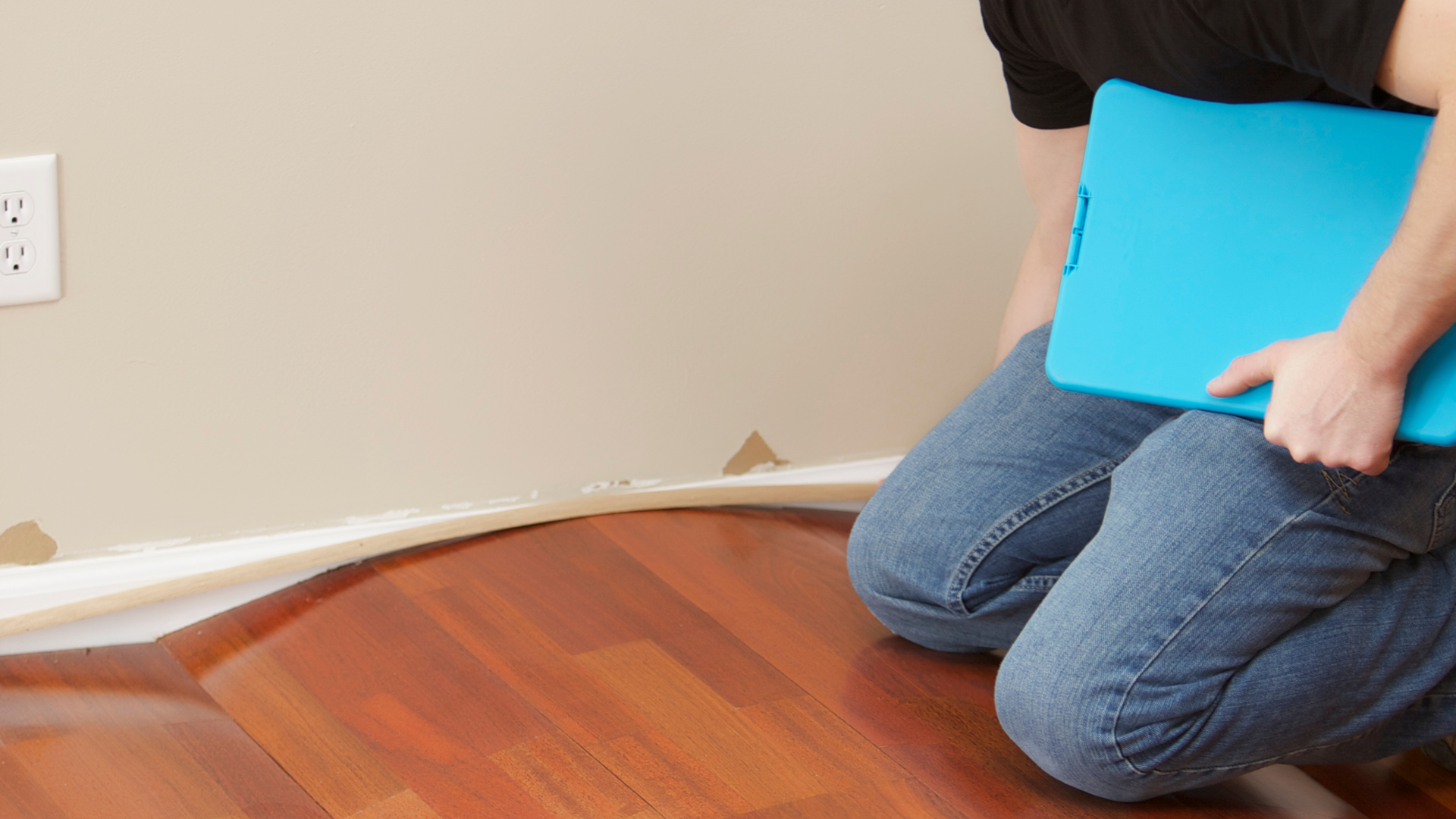
A floor inspector may be able to identify visible damage, but identifying the damage does not always reveal its cause. A buckled plank, cracked tile, or lifted resilient floor can result from several different conditions.
So, what helps an inspector look beyond the visible problem?
Field testing can provide valuable evidence. Moisture readings, humidity levels, temperature, and other measurements can reveal conditions that are not obvious during a visual inspection.
For flooring inspectors, learning these techniques means being able to collect useful information directly from the jobsite and use it when evaluating flooring failures.
Let’s look at the field testing techniques flooring inspectors should know and how proper training can help them use these methods correctly.
What Are Field Testing Techniques in Flooring Inspection?
Field testing techniques are practical tests performed at the inspection site to evaluate specific conditions that may affect flooring performance.
Depending on the flooring material and reported problem, an inspector may evaluate:
- Moisture levels
- Relative humidity
- Temperature
- Subfloor flatness
- Surface conditions
- Adhesive or installation conditions
The specific test used depends on the flooring system and the issue being investigated. Proper training helps inspectors understand which tests are appropriate and how the results should be interpreted.
Tip: Want to build professional flooring inspection skills? Visit IFCII to learn more about flooring inspector training, certification programs, and opportunities to develop your inspection expertise.
What Field Testing Skills Should Flooring Inspectors Learn?
Proper floor inspection training can help inspectors develop these skills and understand how to apply different testing methods during an inspection.
Important skills may include:
1. Moisture Testing
Inspectors should understand how to evaluate moisture in flooring materials and subfloors and how moisture conditions can affect flooring performance.
Here are 5 reasons why moisture testing is essential.
2. Relative Humidity Testing
Relative humidity testing can be used in certain concrete flooring evaluations. Inspectors need to understand proper testing procedures and how results relate to flooring requirements.
3. Temperature and Humidity Measurements
Environmental conditions can influence flooring materials. Recording temperature and relative humidity can provide useful context during an inspection.
4. Flatness Measurements
Uneven substrates can contribute to problems with certain flooring installations. Inspectors may use appropriate measuring tools to evaluate surface conditions.
5. Proper Equipment Use
Knowing how to operate testing equipment correctly is just as important as owning the equipment. Inspectors need to understand calibration, limitations, measurement procedures, and appropriate use for different flooring materials.
Why Is Field Testing Important for Flooring Inspectors?
Visual inspection can identify visible flooring problems, but it may not reveal the conditions causing them. Field testing provides measurable information that helps inspectors evaluate moisture, subfloor, and environmental conditions.
For example, testing can help determine whether moisture is contributing to hardwood buckling or affecting flooring installed over a concrete slab.
1. Field Testing Helps Identify Moisture Problems
Moisture is one of the most common factors involved in flooring failures.
Depending on the flooring system, inspectors may use moisture meters, relative humidity testing, or other recognized methods to evaluate moisture conditions.
Testing may help identify:
- Moisture in wood flooring
- Moisture in concrete slabs
- Moisture beneath resilient flooring
- Excessive subfloor moisture
- Conditions associated with water damage
Accurate moisture testing requires more than simply taking a reading. Inspectors need to understand the limitations of their equipment, follow appropriate procedures, and interpret results in relation to the flooring material and manufacturer’s requirements.
Tip: Need to understand how professional flooring inspectors approach complex inspection cases? Learn how IFCII supports floor inspectors and learn about the resources available to certified inspectors.
2. Testing Provides Measurable Evidence
One of the biggest advantages of field testing is that it provides measurable information.
A visual observation might show that flooring is separating from the subfloor. A test can provide additional information about moisture, temperature, humidity, or another relevant condition.
This evidence can be particularly useful when an inspection involves:
- Warranty claims
- Insurance claims
- Installation disputes
- Product concerns
- Construction disagreements
- Legal matters
The purpose is not simply to collect numbers. The results need to be considered together with photographs, observations, installation information, and other evidence.
3. Different Flooring Materials Require Different Tests
There is no single field test that works for every flooring material.
Hardwood, laminate, resilient flooring, carpet, and tile systems have different characteristics and inspection requirements.
For example, moisture evaluation may be especially important when investigating wood flooring movement, while tile inspections may require attention to substrate conditions, flatness, lippage, or other installation factors.
IFCII’s flooring inspection training covers different flooring systems and practical inspection procedures, helping inspectors build knowledge that can be applied to a range of flooring problems.
4. Field Testing Can Help Narrow Down the Cause
Flooring failures can have several possible causes.
A damaged floor may be affected by installation practices, moisture, environmental conditions, subfloor problems, product characteristics, or a combination of factors.
Field testing can help an inspector compare different possibilities.
For example, if moisture readings are elevated in an area where flooring has failed, that information may support further investigation into a moisture-related cause. However, a test result should not be viewed in isolation. Inspectors need to consider the complete set of available evidence before reaching a conclusion.
5. Proper Testing Improves Inspection Reports
A professional flooring inspection report should clearly explain what the inspector observed and how the findings were evaluated.
Field test results can strengthen this documentation when they are:
- Taken using appropriate equipment
- Recorded accurately
- Associated with specific inspection locations
- Supported by photographs when appropriate
- Interpreted within the proper context
Good documentation allows others to understand what was tested, where it was tested, and what the results showed.
Why Training Is Important for Learning Field Testing
Field testing techniques cannot always be learned effectively from equipment instructions alone. Inspectors need to understand when to test, what to test, how to perform the test, and how to interpret the results.
IFCII incorporates hands-on learning to give inspectors practical experience with flooring inspection procedures and field testing techniques.
Without this kind of practical experience, an inspector may take a reading correctly but still misinterpret what it means for a specific flooring system, material, or installation condition.
Related Articles:
How Flooring Inspectors Diagnose Laminate Flooring Swelling
Certified vs. Non-Certified Flooring Inspectors: What Is the Difference?
Installation Errors vs. Manufacturing Defects: How Flooring Inspectors Determine the Cause

Build Practical Flooring Inspection Skills with IFCII
Learning field testing techniques is an important step for professionals who want to perform more accurate flooring inspections.
IFCII provides flooring inspector training designed to help students develop practical inspection skills through hands-on instruction. Its programs include Carpet & Hard Surface Inspector Certification, Luxury Vinyl Flooring Inspection Course, NALFA Laminate Flooring Inspection Course, and Advanced Flooring Inspector Training.
Students learn inspection procedures, examine defective and damaged flooring materials, practice field testing, and develop professional report-writing skills. These skills can help inspectors approach different flooring problems with a more structured and evidence-based process.
How Field Testing Supports Professional Flooring Inspections
A flooring inspector’s role is not simply to identify that a floor has failed. The inspector must investigate the available evidence and determine what conditions may have contributed to the problem.
Field testing gives inspectors another way to evaluate those conditions.
When combined with material knowledge, installation knowledge, visual inspection, documentation, and failure analysis, testing can help produce a more complete and objective flooring evaluation.
FAQs
Q1. When Should a Flooring Inspector Perform Field Testing?
Flooring inspectors should perform field testing when visible conditions require further investigation, when moisture or environmental factors are suspected, or when measurable evidence is needed to evaluate flooring performance.
Q2. What Can Affect the Accuracy of Flooring Field Test Results?
Test accuracy can be affected by equipment calibration, testing procedures, environmental conditions, test location, substrate characteristics, operator technique, and whether the selected method is appropriate for the flooring system.
Q3. Can Flooring Field Testing Damage the Flooring?
Some field testing methods are non-destructive, while others may require limited access or invasive procedures. Inspectors should select appropriate methods and minimize damage while obtaining reliable information.