
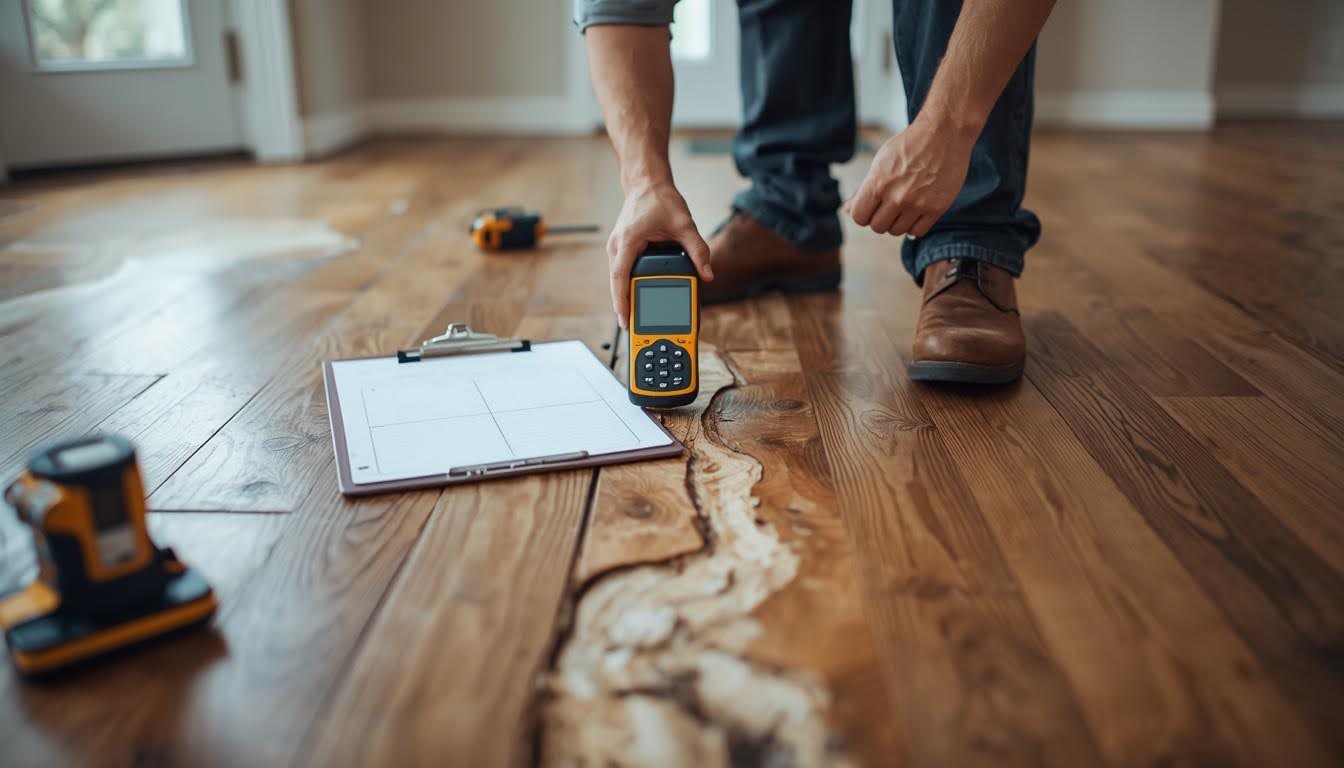
Hardwood floors are designed to provide decades of durability and timeless appeal, but they can develop serious problems when exposed to unfavorable conditions. One of the most noticeable and damaging issues is hardwood floor buckling. When wood flooring lifts away from the subfloor or forms raised sections, it often indicates an underlying moisture or installation problem that should not be ignored.
Understanding what causes hardwood floors to buckle and recognizing the warning signs can help determine the underlying cause before the damage becomes more extensive. This knowledge is valuable for homeowners, flooring professionals, insurance adjusters, and flooring inspectors when evaluating repairs, installation quality, or warranty claims.
Common Causes of Hardwood Floor Buckling
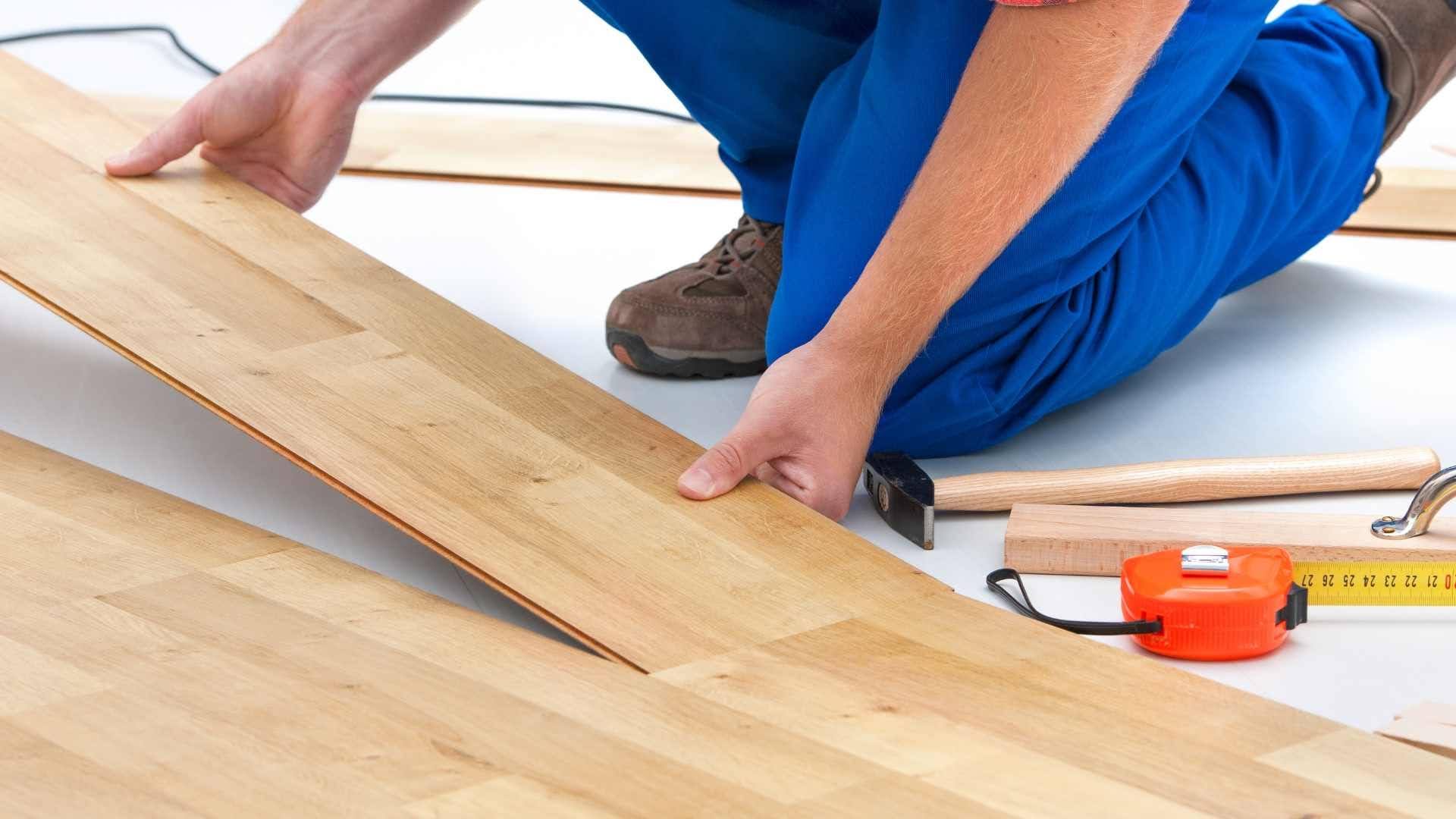
Hardwood floor buckling can result from several underlying factors, but most cases are related to moisture exposure, installation issues, or environmental conditions. Understanding these common causes is the first step toward identifying the root of the problem and determining the appropriate corrective action.
1. Excess Moisture
Moisture is the leading cause of buckled hardwood flooring. Wood naturally absorbs and releases moisture depending on its surroundings. When too much moisture enters the flooring, the boards expand. If expansion exceeds the available space, the flooring can lift off the subfloor.
Common moisture sources include:
- Plumbing leaks
- Flooding
- Appliance leaks
- Excessive wet mopping
- Crawl space moisture
- Basement humidity
- Concrete slab moisture
- Roof leaks
Professional inspectors typically verify moisture conditions using moisture meters and evaluate both the flooring and subfloor before determining the cause.
2. Lack of Expansion Gaps
Hardwood flooring requires adequate expansion space around the perimeter of every room to accommodate the wood’s natural movement as moisture levels change. If installers leave little or no expansion gap, seasonal increases in moisture can cause the flooring to press against walls, door frames, cabinets, or other fixed objects.
With nowhere to expand, pressure builds within the floor until sections begin to lift or buckle. Expansion gaps are particularly important in large open spaces, long hallways, doorways, and areas where humidity levels fluctuate throughout the year.
Repeated seasonal expansion and contraction can gradually increase stress within the flooring system, especially when adequate expansion space is not provided.
3. High Indoor Humidity
Even without a visible water leak, consistently high indoor humidity can increase the moisture content of hardwood flooring. Conditions such as poor ventilation, HVAC system issues, humid climates, or inadequate indoor moisture control may gradually affect the flooring over time.
If humidity remains elevated for extended periods, the resulting expansion can place stress on the flooring system and contribute to buckling.
4. Moisture from the Subfloor
Moisture problems do not always originate from above. Concrete slabs with elevated moisture levels, excessive moisture vapor emissions, or missing or damaged vapor retarders can allow moisture to migrate into the flooring system. Crawl spaces with persistent ground moisture may also contribute to moisture-related problems over time.
This is why professional inspections often include subfloor moisture testing rather than evaluating only the visible flooring surface. Learning how moisture is measured in concrete slabs can provide additional insight into these hidden moisture issues.
5. Improper Installation
Improper installation practices can significantly increase the likelihood of hardwood floor buckling, even when moisture exposure is relatively limited.
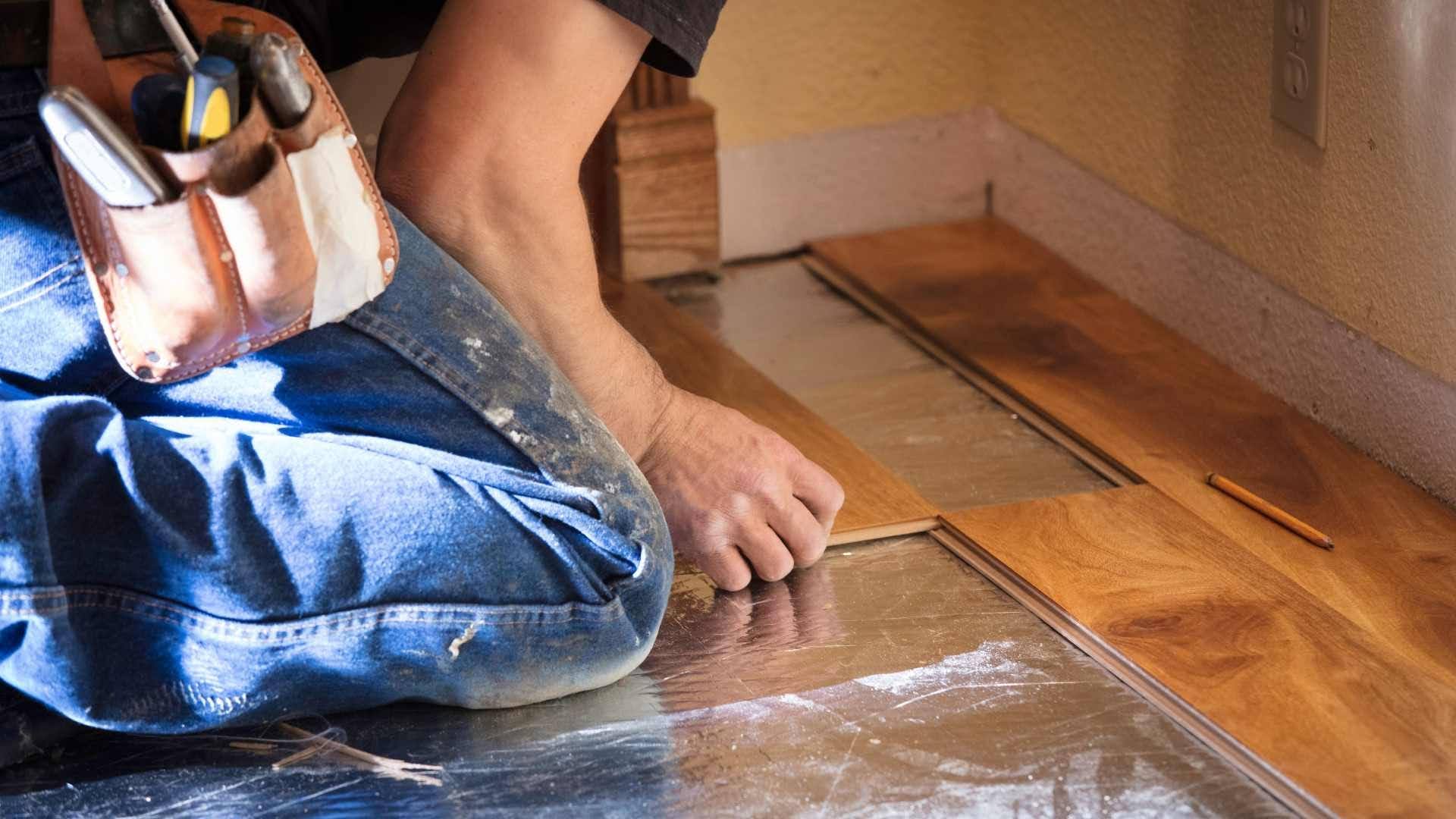
Examples include installing flooring over a subfloor with excessive moisture, failing to acclimate the flooring before installation, using the wrong adhesive or fastener schedule, improper fastening, or not following the manufacturer’s installation guidelines.
These issues can restrict the floor’s natural movement or allow excessive moisture to affect the flooring system.
6. Sudden Water Damage
Unexpected water events such as burst pipes, appliance failures, or flooding can rapidly overwhelm the flooring system. Prompt water removal and drying are critical, as prolonged exposure significantly increases the likelihood of permanent damage and buckling.
How to Identify Buckled Hardwood Floors
Buckling is usually easy to recognize because the floor physically lifts away from the subfloor.
Common signs include:
- Raised sections of flooring
- Boards separating from the subfloor
- Noticeable humps or ridges
- Hollow sounds when walked on
- Loose flooring movement
- Gaps appearing between boards
- Doors rubbing against raised flooring
- Visible distortion across multiple boards
Unlike minor seasonal movement, buckling often creates noticeable elevation changes that are difficult to ignore.
Buckling vs. Cupping vs. Crowning
Many flooring problems are confused because they all involve wood movement.
|
Condition |
Appearance |
Typical Cause |
|
Buckling |
Boards lift completely off the subfloor | Severe moisture or installation failure |
|
Cupping |
Board edges are higher than the center | Moisture from below |
|
Crowning |
Board center is higher than the edges | Moisture on the surface or improper drying after cupping |
Correctly distinguishing these conditions is important because each points toward different underlying causes.
How Flooring Inspectors Determine the Cause
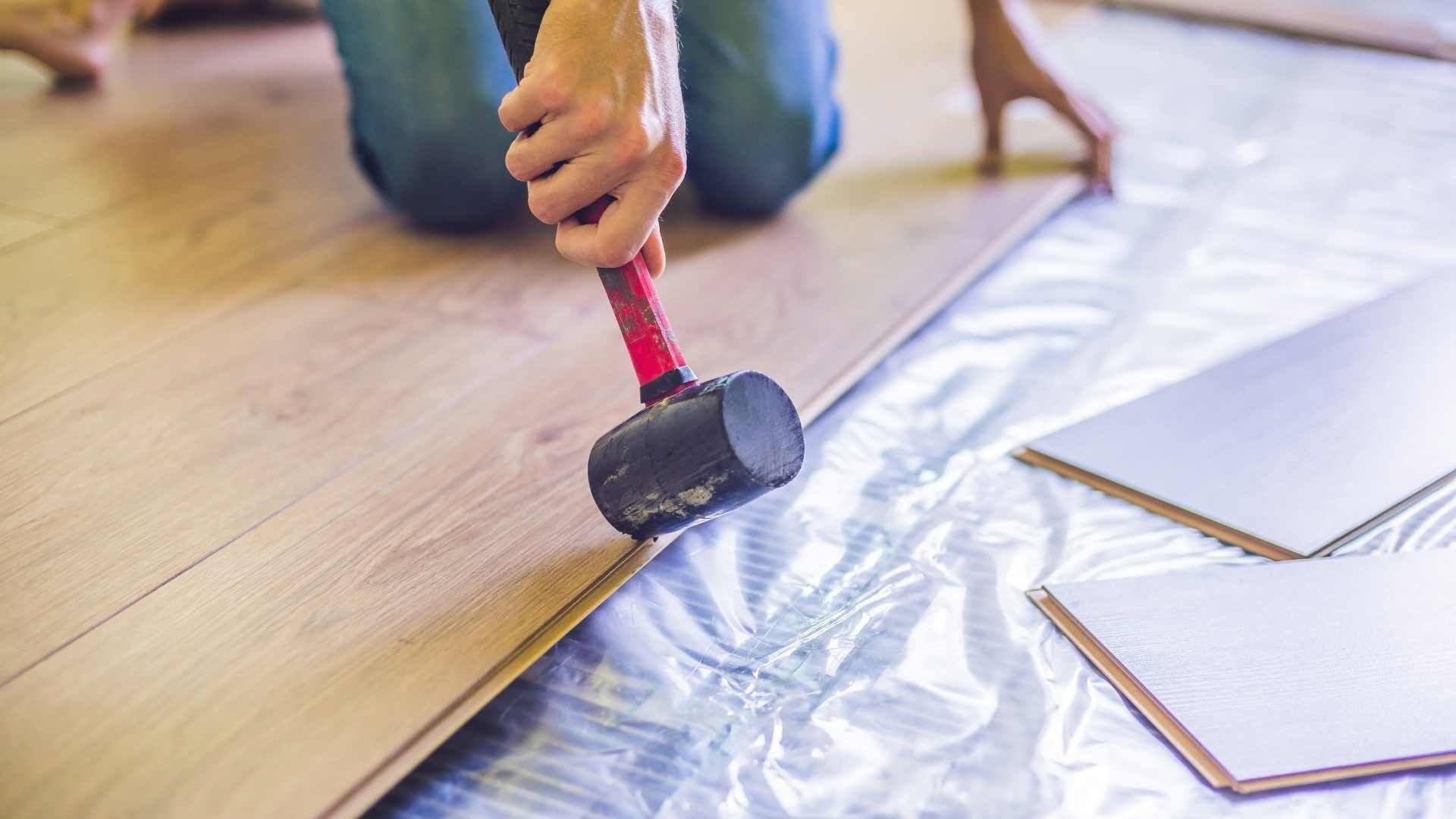
Identifying visible damage is only the beginning of a professional inspection. An experienced flooring inspector evaluates multiple factors before reaching conclusions.
1. Moisture Testing
Professional inspectors begin by comparing moisture levels in the hardwood flooring, subfloor, adjacent building materials, and concrete slabs when applicable.
Depending on the flooring system, they may use pin or pinless moisture meters and, for concrete subfloors, recognized moisture tests such as relative humidity (RH) testing or calcium chloride testing. Significant differences in moisture content often help identify hidden moisture sources that may not be visible during a routine inspection.
2. Environmental Assessment
Inspectors also evaluate the conditions surrounding the flooring, including indoor temperature, relative humidity, HVAC system performance, ventilation, and crawl space conditions. Assessing the environment helps determine whether long-term moisture exposure or seasonal humidity changes contributed to the buckling.
3. Installation Review
The flooring installation itself is carefully examined for issues that could have contributed to the problem. Inspectors assess expansion gaps, fastener placement, adhesive coverage, floor layout, transition areas, and whether the installation complies with the manufacturer’s guidelines. This evaluation helps determine if improper installation practices played a role in the floor’s failure.
4. Damage Pattern Analysis
The location and pattern of the buckling often provide valuable clues about its underlying cause. For example, buckling near exterior walls may indicate moisture intrusion, while damage around appliances can suggest plumbing leaks.
Localized buckling often points to a specific water exposure event, whereas widespread buckling may indicate elevated indoor humidity or excessive moisture migrating from the subfloor. Rather than relying on a single observation, professional inspectors consider all available evidence to determine the most likely cause of the damage.
Can Buckled Hardwood Floors Be Repaired?
The answer depends on the severity and cause. Minor cases may improve after correcting the moisture source and stabilizing indoor conditions. However, prolonged moisture exposure can permanently deform some boards, making replacement necessary even after moisture levels return to normal.
More severe buckling often requires:
- Removing damaged boards
- Drying the subfloor
- Moisture remediation
- Partial replacement
- Complete floor replacement in widespread failures
Repairing the flooring without addressing the underlying moisture source usually results in recurring damage.
How to Prevent Hardwood Floors from Buckling
Preventive maintenance is significantly less expensive than major repairs.
Recommended practices include:
- Maintain proper indoor humidity – Keep indoor humidity within the flooring manufacturer’s recommended range to help minimize excessive wood movement.
- Clean spills promptly – Wipe up water and other liquids before they have time to soak into the wood.
- Repair leaks quickly – Fix plumbing, roof, or appliance leaks as soon as they are discovered.
- Test concrete moisture – Verify concrete moisture levels before installing hardwood flooring over a slab.
- Acclimate the flooring – Allow hardwood flooring to adjust to indoor conditions before installation.
- Leave expansion gaps – Provide adequate space around the room perimeter to accommodate natural wood movement.
- Avoid excessive wet cleaning – Use cleaning methods recommended for hardwood flooring and avoid excessive water.
- Inspect moisture-prone areas – Periodically check crawl spaces and basements for signs of excess moisture.
Consistent moisture management remains the most effective way to protect hardwood flooring.
‘‘Check out how identifying flooring problems early can help determine the root cause, support effective repairs, and prevent more extensive damage.’’
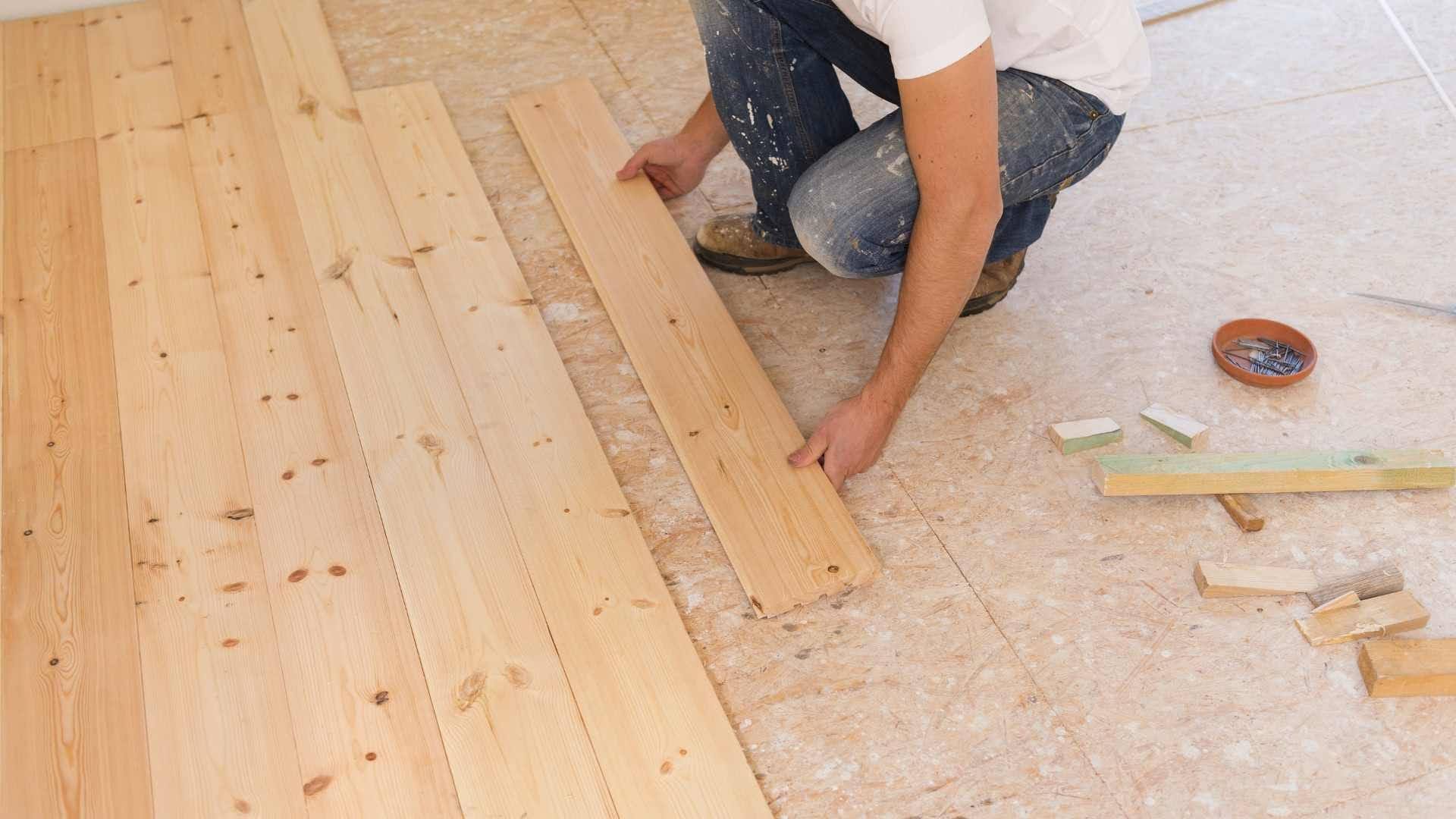
Build Practical Hardwood Flooring Inspection Skills
Correctly identifying the cause of hardwood floor buckling requires more than recognizing visible damage. Inspectors must understand wood flooring behavior, moisture migration, installation methods, field testing procedures, and how to distinguish between manufacturing defects, installation issues, and environmental conditions.
Professionals seeking formal training may choose certification programs that cover hardwood inspection procedures, moisture testing, flooring forensics, and report writing. IFCII’s Carpet and Hard Surface Inspector Certification is one example.
The program includes hands-on training covering hardwood, laminate, resilient flooring, carpet, and other hard surface materials. Students learn to perform step-by-step flooring inspections, evaluate defective or damaged materials, conduct essential field tests, and prepare well-documented inspection reports based on real-world inspection scenarios.
The course is designed for both experienced flooring professionals who want to expand their expertise and individuals pursuing a career in flooring inspection.
Note: Learn more about why different flooring materials require different inspection training approaches to better understand how professional inspectors adapt their methods to each flooring type.
Final Thoughts
Hardwood floor buckling is most commonly associated with excessive moisture, installation deficiencies, or environmental conditions that affect the flooring system.
While the raised boards are easy to recognize, determining why they buckled requires a careful evaluation of moisture levels, installation methods, environmental conditions, and damage patterns.
Accurate identification is essential because the visible buckling is often only the symptom of a larger underlying issue. Addressing the root cause first helps prevent repeated failures and supports informed repair or warranty decisions.