
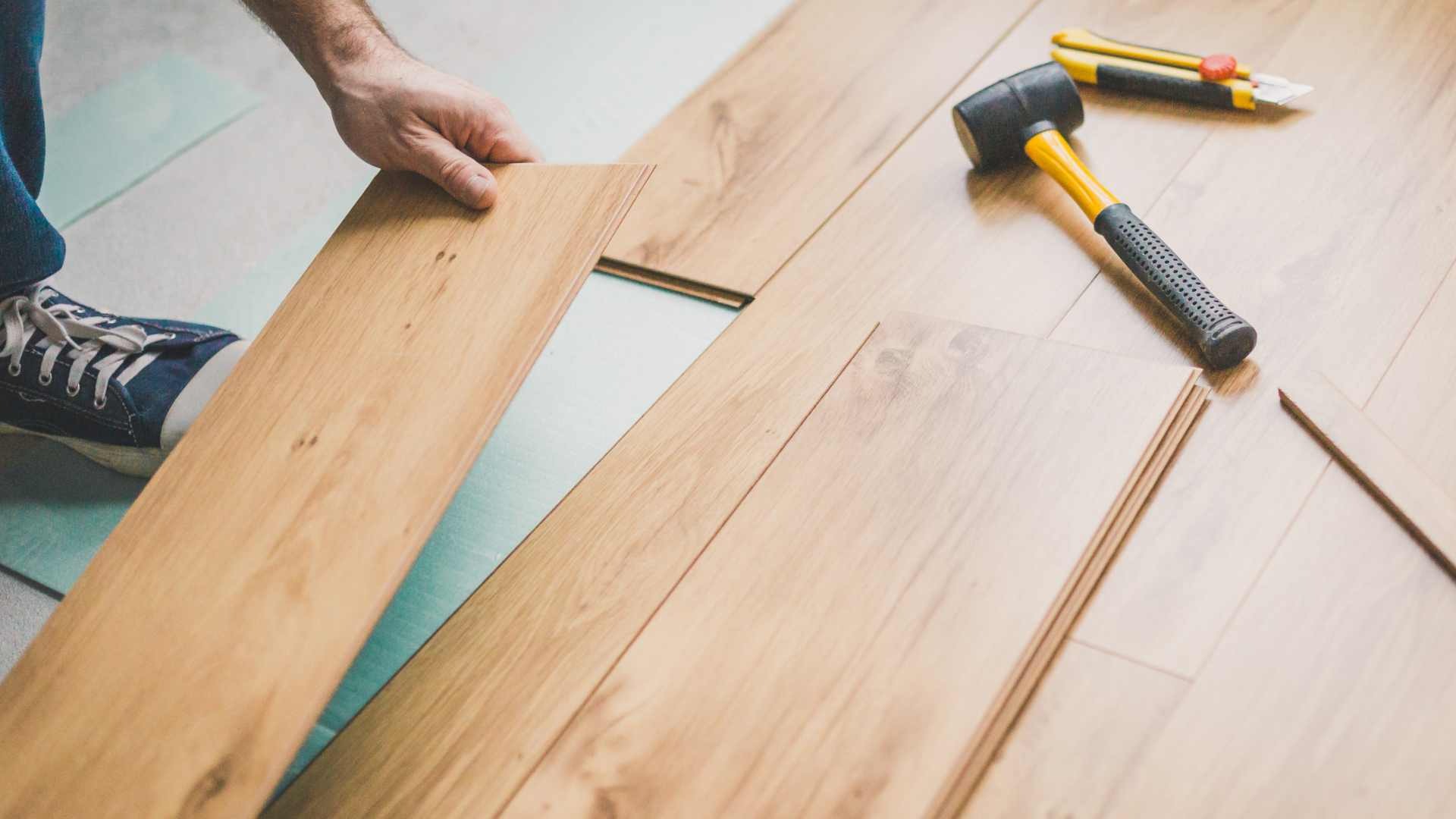
Why the Best Flooring Professionals Never Stop Learning
Imagine walking into a beautifully designed home or office and noticing the flawless floors beneath your feet. Whether it’s elegant hardwood, polished concrete, luxury vinyl, or modern tile, great flooring doesn’t happen by chance. Behind every perfect finish is a skilled flooring professional who understands materials, techniques, trends, and customer expectations.
But here’s something many people don’t realize, success in flooring isn’t only about experience. The industry keeps changing. New installation methods, advanced tools, sustainable materials, and customer demands continue to evolve every year.
That’s where continuing education becomes important.
For flooring professionals, learning doesn’t stop after getting the first job or completing training. Continuing education helps workers improve skills, stay competitive, and build stronger careers. Whether someone is new to flooring or has decades of experience, ongoing learning can create more opportunities and long-term success.
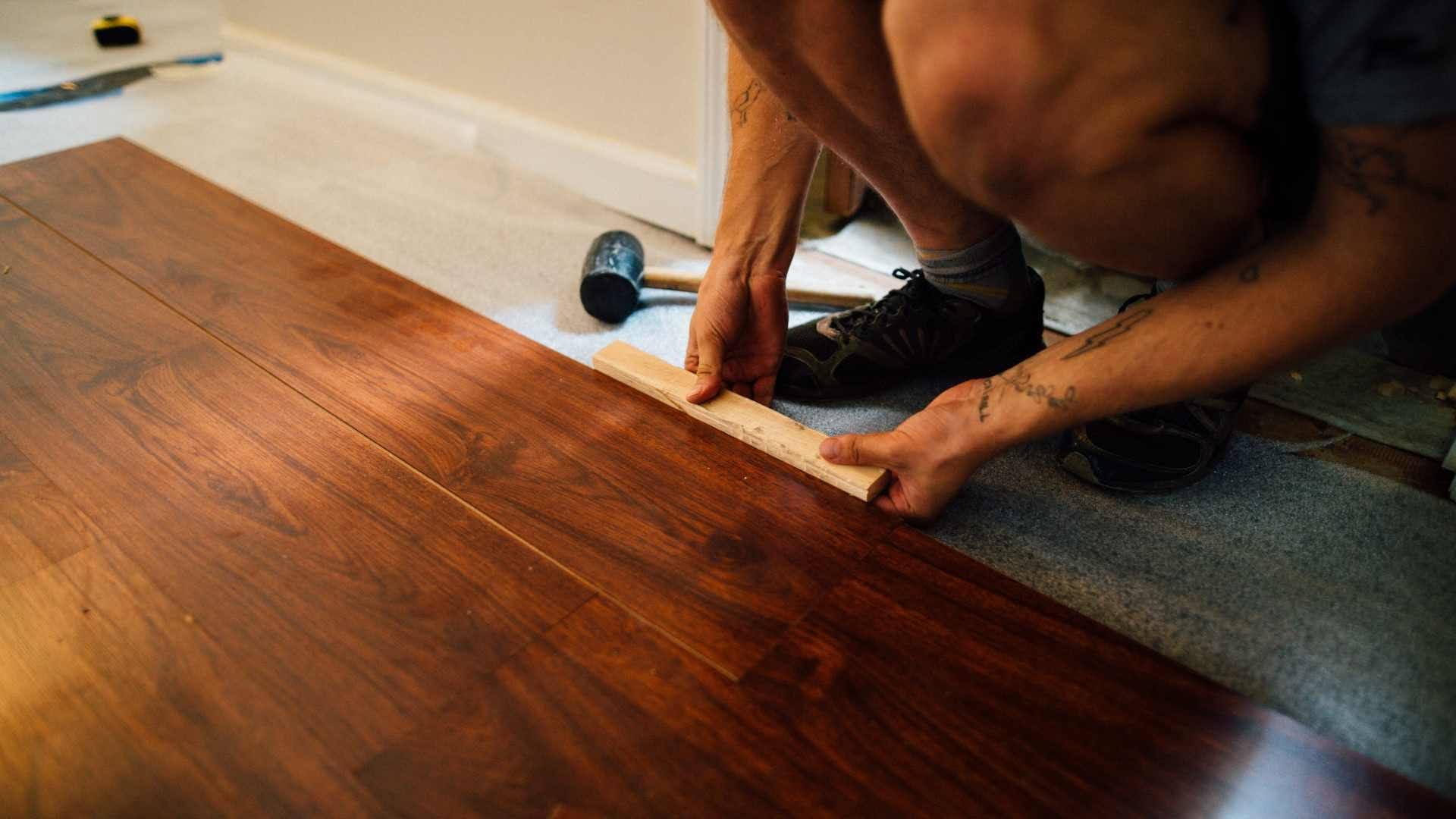
What Continuing Education Means for Flooring Professionals
Continuing education means learning new skills and updating existing knowledge after entering a profession.
In flooring careers, continuing education can include:
- Workshops and training sessions
- Certification programs
- Manufacturer training courses
- Online learning programs
- Industry conferences and events
- Safety and compliance education
- Business and customer service training
The goal is simple: keep improving and stay updated.
Benefits of Continuing Education in the Flooring Industry
Professional learning offers advantages that extend beyond technical knowledge alone. Ongoing education can help flooring professionals strengthen their credibility, expand career opportunities, and develop stronger problem-solving skills that support long-term success in the industry.
1. Increased Professional Credibility
Customers, employers, manufacturers, and industry partners often place greater trust in professionals who actively invest in their education.
Certifications, specialized training, and advanced coursework demonstrate a commitment to maintaining current knowledge rather than relying solely on past experience.
2. Expanded Career Opportunities
Many flooring professionals begin their careers in installation, retail sales, or customer service before moving into specialized roles. Additional education may help professionals qualify for opportunities in areas such as:
- Flooring inspection
- Technical consulting
- Claims analysis
- Quality control
- Project management
- Product training
- Expert witness services
Specialized qualifications may improve access to certain career opportunities and demonstrate expertise to employers, clients, and industry organizations.
3. Improved Problem-Solving Skills
Every flooring project presents unique challenges involving materials, environmental conditions, installation practices, and customer expectations.
Advanced training helps professionals better understand how factors such as moisture migration, substrate conditions, environmental influences, and material performance interact, improving their ability to diagnose issues, evaluate flooring performance, and recommend appropriate solutions.
Real-World Example: A flooring professional who completes advanced moisture testing training may be better equipped to identify subfloor moisture problems before installation begins. Detecting these conditions early can help prevent flooring failures, reduce warranty disputes, and minimize costly repairs.
‘‘To understand how certification can directly impact career opportunities in this field, read more about why becoming a certified flooring inspector is a high-demand career.’’
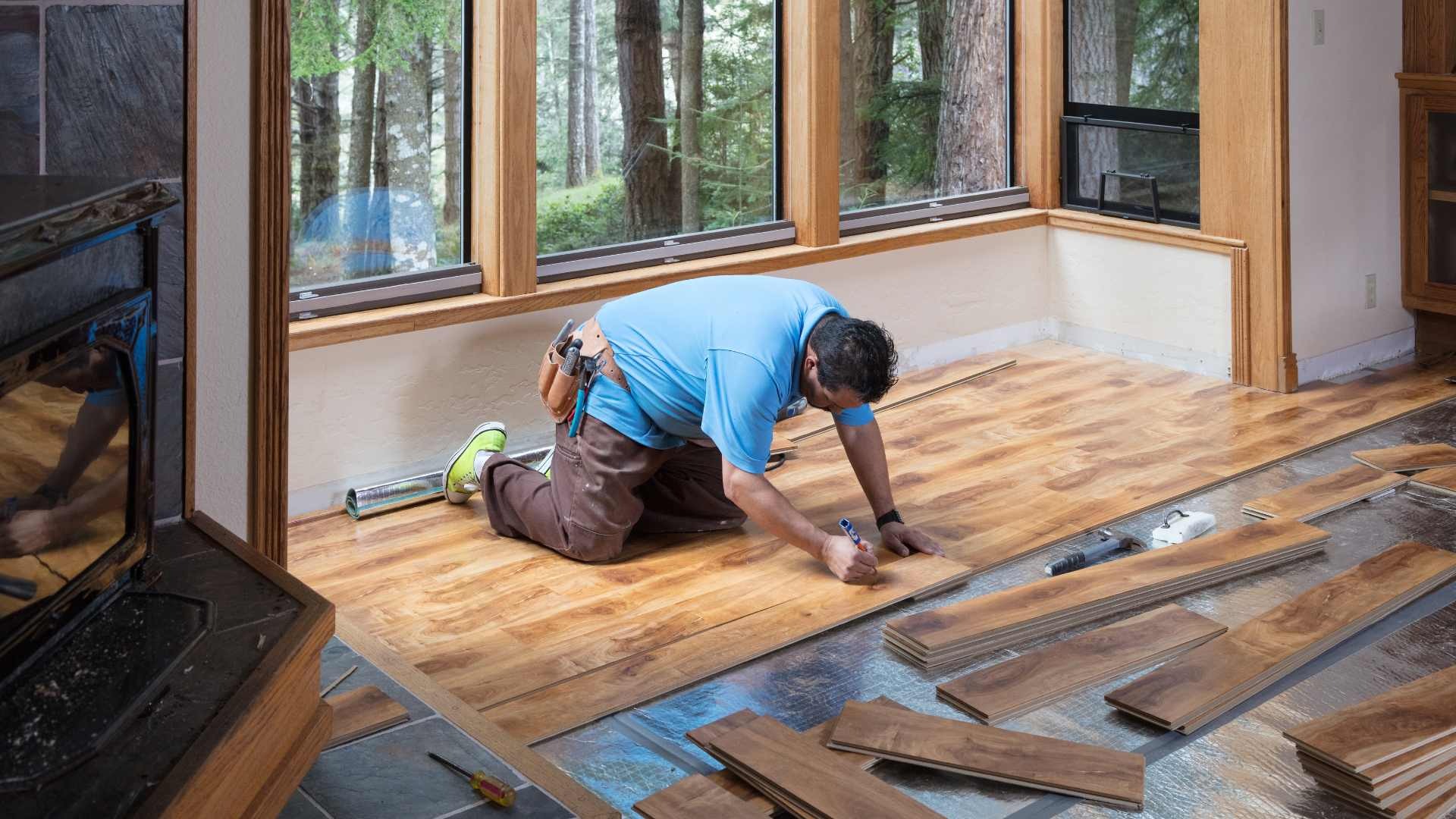
Why Flooring Professionals Need Ongoing Learning
A well-designed education program can strengthen both technical and professional competencies.
1. Keeping Up with New Flooring Materials
Today’s market offers more choices than ever.
Flooring professionals regularly work with:
- Luxury vinyl plank (LVP)
- Engineered hardwood
- Waterproof flooring
- Eco-friendly materials
- Advanced tile products
- Decorative concrete systems
Each material comes with different installation requirements. Without updated knowledge, mistakes become more likely, leading to costly repairs and unhappy clients.
Continuing education helps installers understand how modern products work and how to install them correctly.
2. Technical Skills
Depending on their area of specialization, advanced training can help flooring professionals develop a deeper understanding of flooring system evaluation, moisture testing procedures, flooring failure analysis, material identification, installation standards, subfloor assessment, and product performance characteristics.
These competencies help professionals assess conditions more accurately, identify potential issues before they escalate, and deliver higher-quality results across a wide range of projects.
3. Adapting to Technology in Flooring
Technology is becoming a bigger part of flooring work.
Modern professionals may use:
- Digital measuring tools
- Moisture detection equipment
- Project management software
- Visualization applications
- Estimation tools
Learning how to use these technologies can improve accuracy and save time.
Professionals who embrace technology often work more efficiently and provide a better customer experience.
Note: For a clearer understanding of inspection tools and their practical use, readers may refer to a detailed guide on essential flooring inspection equipment.
How to Choose the Right Flooring Education Program
Not all training programs provide the same value. Flooring professionals should pursue educational opportunities that align with their career goals while delivering practical knowledge that can be applied in the field.
Many continuing education providers also award Education Credit Units (ECUs) for completed coursework. These credits help professionals document their ongoing learning, demonstrate a commitment to professional development, and track educational achievements throughout their careers.
At IFCII, eligible courses provide ECUs that recognize continued training and support long-term professional growth within the flooring industry.
Examples of specialized continuing education programs available through IFCII include:
- Carpet and Hard Surface Inspector Certification – Covers inspection procedures, flooring failure analysis, testing methods, and professional reporting.
- Luxury Vinyl Flooring Inspection Course – Focuses on evaluating luxury vinyl flooring installations and identifying performance-related concerns.
- NALFA Laminate Flooring Inspection Course – Provides training in laminate flooring evaluation, inspection techniques, and applicable standards.
- Advanced Flooring Inspector Training – Designed for professionals seeking deeper knowledge of flooring forensics, complex inspections, and advanced diagnostic methods.
- Online Report Writing Class – Teaches documentation best practices, evidence presentation, and professional reporting techniques.
- Flooring Expert Witness Course – Introduces the principles of expert witness work, including case preparation, professional testimony, and documentation requirements.
Programs that combine technical instruction with practical application can help professionals strengthen their expertise and pursue specialized career opportunities.
Professionals who invest in continuing education gain more than knowledge—they gain confidence, stronger opportunities, better customer relationships, and long-term career growth.
In flooring careers, learning isn’t something extra to do after work. It becomes part of building a successful future.