
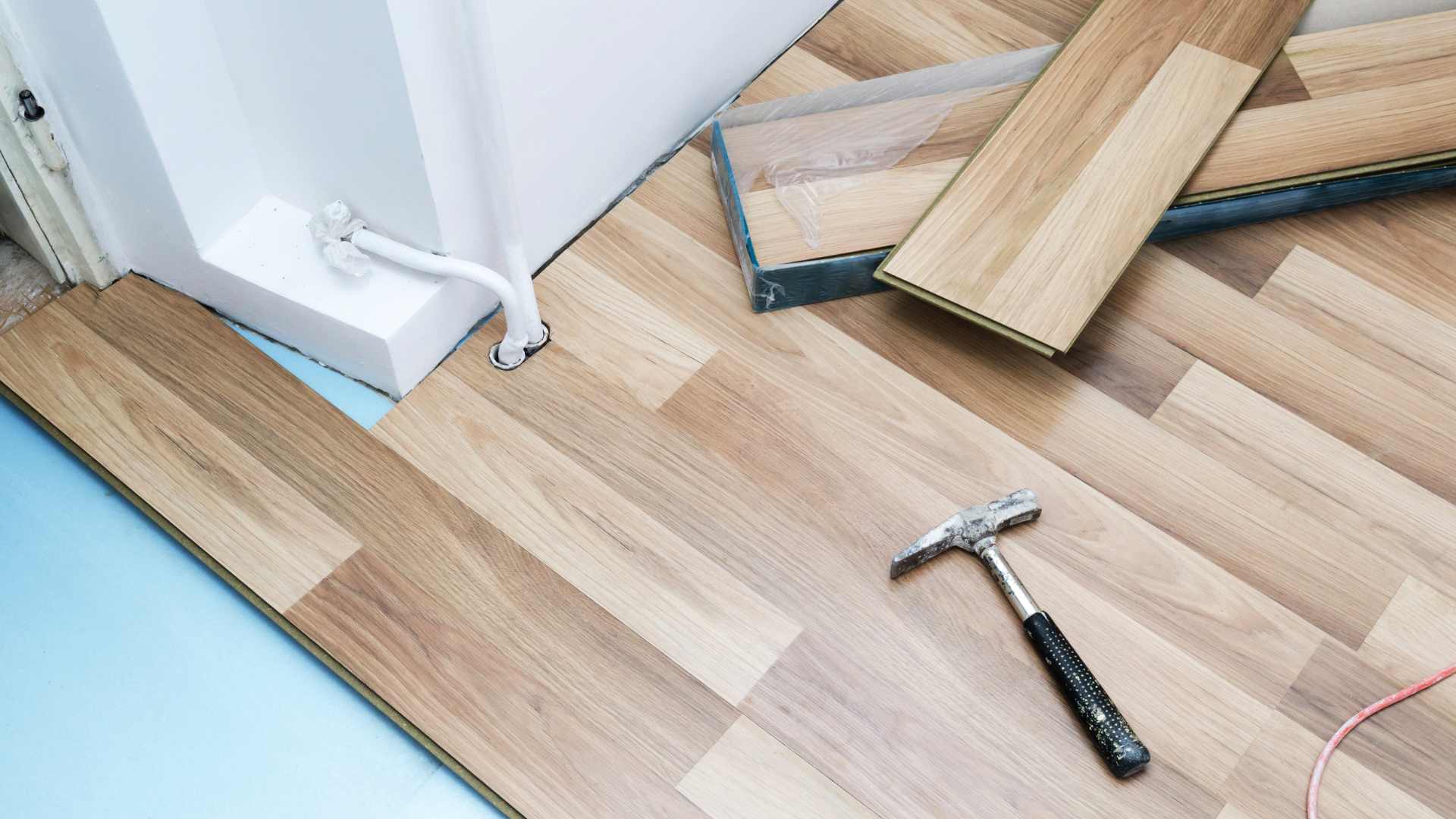
Have you ever wondered why inspecting a hardwood floor is not the same as inspecting a tile or carpet installation?
At first glance, flooring might seem simple. You walk on it every day, so how complicated can it be? But for flooring inspectors, every material tells a different story. Each type of flooring behaves differently, reacts to environmental conditions in unique ways, and develops its own set of problems over time.
That is exactly why flooring inspection training cannot follow a one-size-fits-all approach.
Whether an inspector is evaluating carpet wrinkles, moisture damage in hardwood, tile cracking, or luxury vinyl installation issues, they need specialized knowledge to identify problems correctly and provide accurate reports.
In this article, we’ll explore why different flooring materials require different inspection training approaches and why proper education matters in delivering reliable inspections.
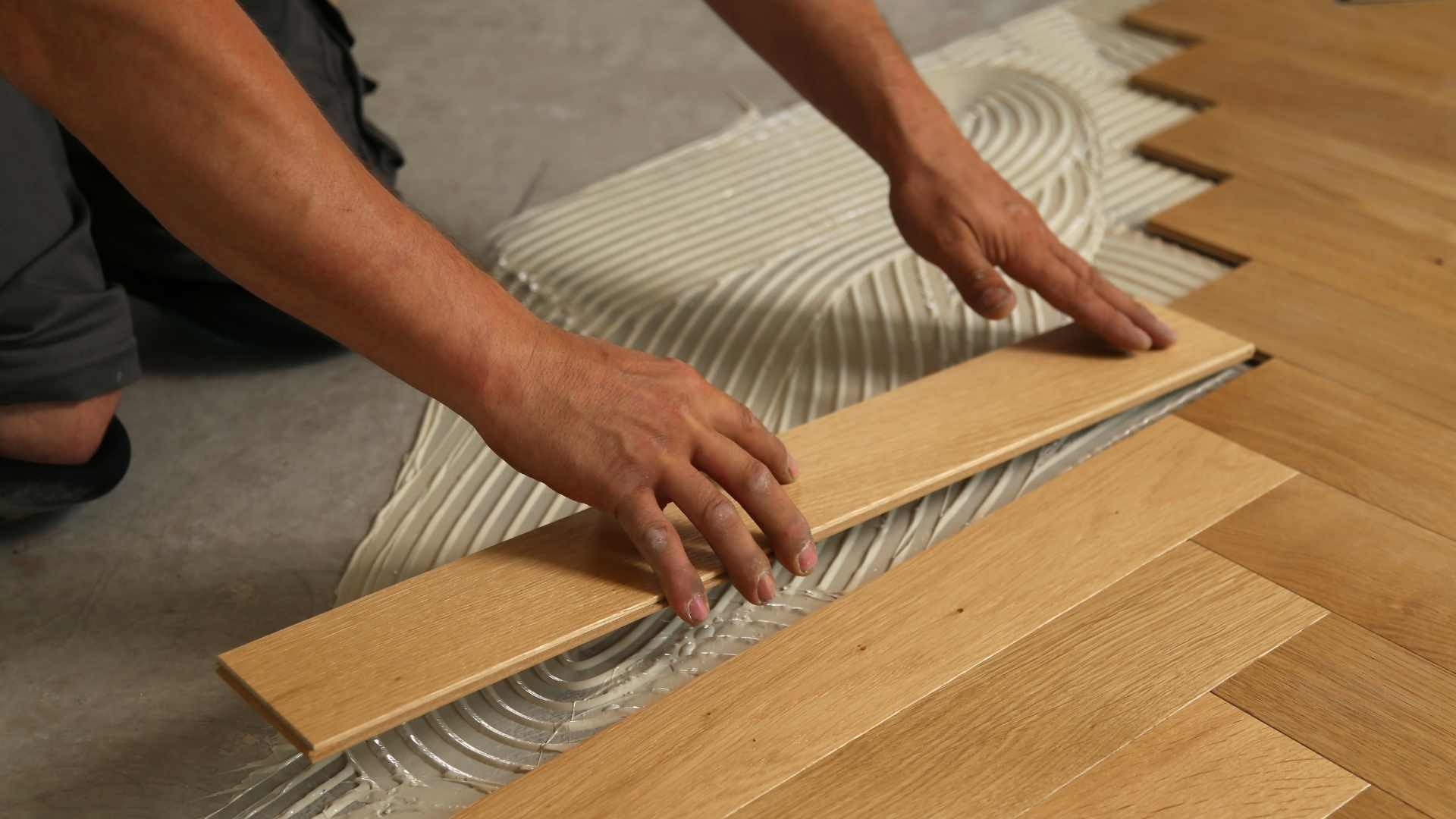
Flooring Inspection Is More Than Surface-Level Checking
Flooring inspection is not simply looking for visible defects.
A trained flooring inspector must understand:
- Material composition
- Installation methods
- Environmental influences
- Industry standards
- Performance expectations
- Maintenance impact
Since every flooring material responds differently to these factors, inspectors need targeted training for each category.
Without proper training, inspectors may overlook important issues or incorrectly identify the root cause of flooring failures.
Note: Effective training helps inspectors understand flooring performance, inspection procedures, field testing methods, flooring forensics, and failure analysis across multiple flooring categories. These are among the key competencies discussed in 5 skills you will learn in a flooring inspector course.
Different Flooring Materials Require Different Inspection Techniques
Every flooring material performs differently, responds to environmental conditions in its own way, and develops unique types of issues over time. Because of this, flooring inspectors cannot rely on a single inspection method for every project.
1. Hardwood Flooring Requires Moisture and Movement Knowledge
Hardwood remains one of the most beautiful and widely used flooring options, but it is also one of the most sensitive materials.
Wood naturally expands and contracts depending on humidity and temperature.
Common hardwood flooring issues:
- Cupping
- Crowning
- Gapping
- Buckling
- Surface cracking
- Finish deterioration
Inspectors trained in hardwood flooring learn how to:
- Measure moisture content
- Evaluate subfloor conditions
- Understand wood acclimation requirements
- Identify seasonal movement
- Assess installation quality
For example, gaps in wood flooring may not always indicate poor installation; they may occur due to changing humidity levels.
Specialized training helps inspectors determine the actual cause.
Want to move beyond the basics? Discover advanced inspection techniques through IFCII’s Advanced Flooring Inspector Training.
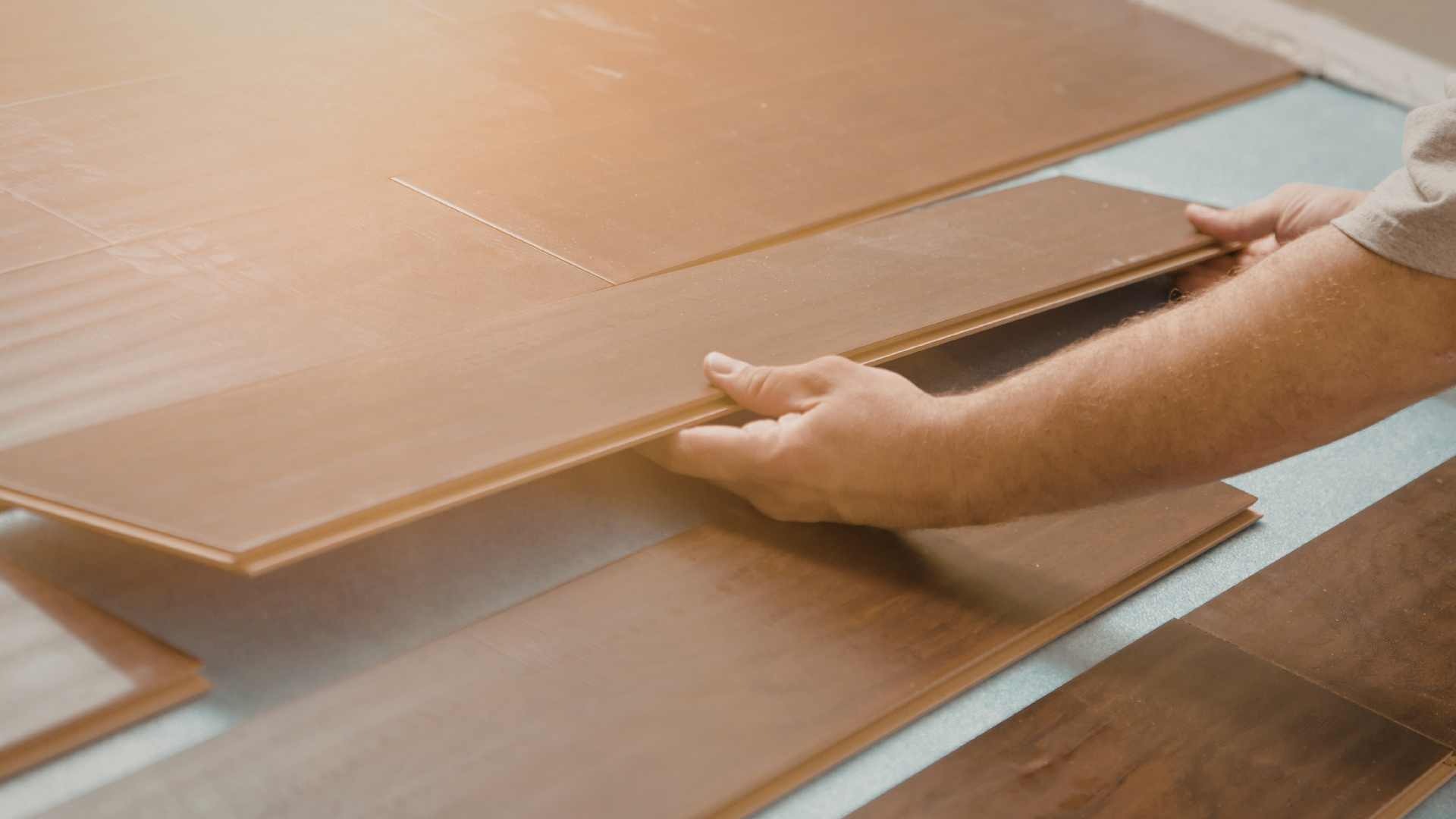
2. Carpet Inspection Focuses on Fiber Performance and Installation
Carpet inspection requires a completely different set of skills.
Unlike wood, carpet performance depends heavily on fiber behavior, backing systems, traffic patterns, and installation methods.
Common carpet concerns:
- Wrinkling
- Seam failures
- Matting
- Delamination
- Fiber shedding
- Staining
Inspectors must understand:
- Carpet construction
- Stretching techniques
- Padding performance
- Wear patterns
- Maintenance practices
From moisture testing to seam evaluation, discover the core carpet inspection techniques used to identify flooring issues with confidence.
A wrinkle in carpet might result from poor installation, while excessive wear may point toward maintenance issues. Proper carpet training allows inspectors to distinguish between these possibilities.
3. Tile Flooring Inspection Requires Structural and Technical Evaluation
Tile flooring may appear durable, but many problems occur below the surface.
Cracks, hollow sounds, and grout failures often indicate deeper issues.
Common tile inspection concerns:
- Cracked tiles
- Loose tiles
- Uneven installation
- Grout separation
- Subfloor movement
Tile inspection training teaches professionals how to evaluate:
- Substrate preparation
- Expansion joints
- Adhesive application
- Load distribution
- Structural movement
Inspectors also learn to identify whether problems developed because of installation errors or environmental stress. Because tile systems rely heavily on proper preparation, inspection methods differ significantly from softer flooring materials.
4. Luxury Vinyl and Resilient Flooring Need Environmental Understanding
Luxury Vinyl Tile (LVT), Luxury Vinyl Plank (LVP), and resilient flooring have become increasingly popular due to their appearance and durability.
However, these materials present unique inspection challenges.
Common issues include:
- Peaking
- Gapping
- Curling
- Adhesive failure
- Indentation
- Expansion problems
Inspectors need training to understand:
- Temperature sensitivity
- Moisture transmission
- Subfloor flatness
- Adhesive compatibility
- Product specifications
Ready to Master Luxury Vinyl Flooring Inspection with Industry-Recognized Certification
Even minor installation errors can affect long-term performance. Inspection training helps professionals recognize subtle signs before larger failures occur.
Why Specialized Inspection Training Benefits Everyone
Specialized flooring inspection training benefits more than inspectors. It supports:
Property Owners
Receive clearer answers and more reliable recommendations.
Contractors
Gain fair assessments and reduced disputes.
Manufacturers
Improve product performance evaluation.
Insurance Professionals
Receive accurate documentation for claims.
Flooring Industry Professionals
Build credibility and maintain higher standards.
When inspectors understand the unique behavior of each flooring material, everyone benefits from more accurate outcomes.
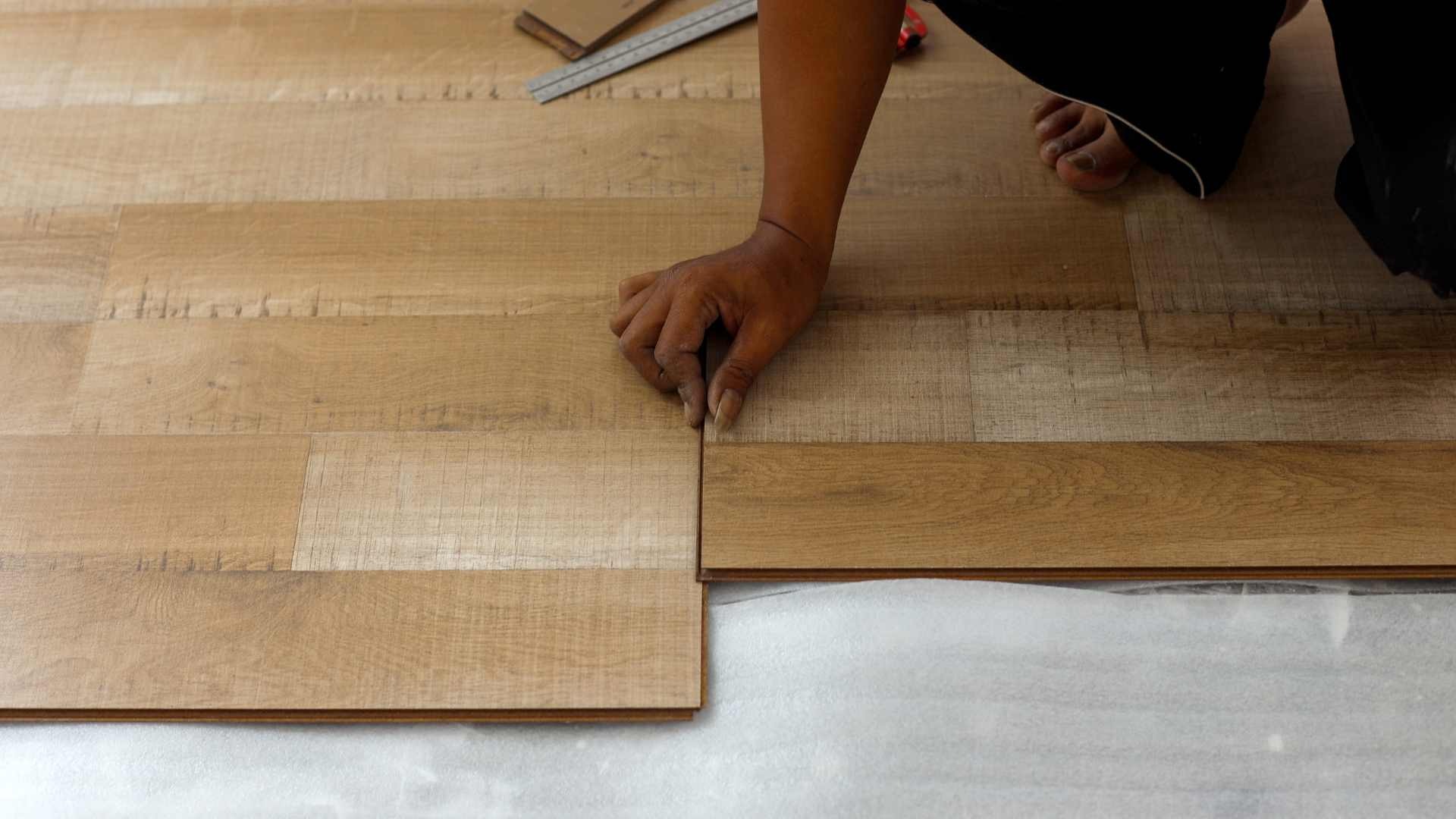
Installation Methods Change the Inspection Process
Flooring materials are only one piece of the puzzle.
Installation methods also affect how inspections are performed.
Inspectors often evaluate:
- Glue-down installations
- Floating floors
- Nail-down systems
- Click-lock systems
- Mortar-set applications
The same flooring product can perform differently depending on installation quality.
Training helps inspectors understand these variations and assess results accurately.
Build Expertise with the Right Flooring Inspection Training
Choosing the right training path can be challenging, particularly for those entering the profession or expanding into new flooring categories.
IFCII provides flooring inspector training and certification programs across multiple flooring disciplines, helping inspectors build the knowledge and skills needed to evaluate a wide variety of flooring systems.
Explore our training programs:
- Carpet and Hard Surface Inspector Certification
- Luxury Vinyl Flooring Inspection Training
- NALFA Laminate Flooring Inspection Courses
- Advanced Flooring Inspector Training
- Online Report Writing Classes
- Flooring Expert Witness education
As flooring products and installation methods continue to evolve, inspectors can further strengthen their expertise through continuing education opportunities and Continuing Education Credits (CECs), helping them stay current with emerging technologies, updated industry standards, and new inspection techniques.
Final Thoughts
No two flooring materials behave the same way, which means no single inspection method works in every situation.
Hardwood reacts differently than carpet. Tile requires different evaluation methods than vinyl. Natural stone brings its own challenges.
That is why flooring inspection training must be tailored to specific materials, installation methods, and environmental conditions.