
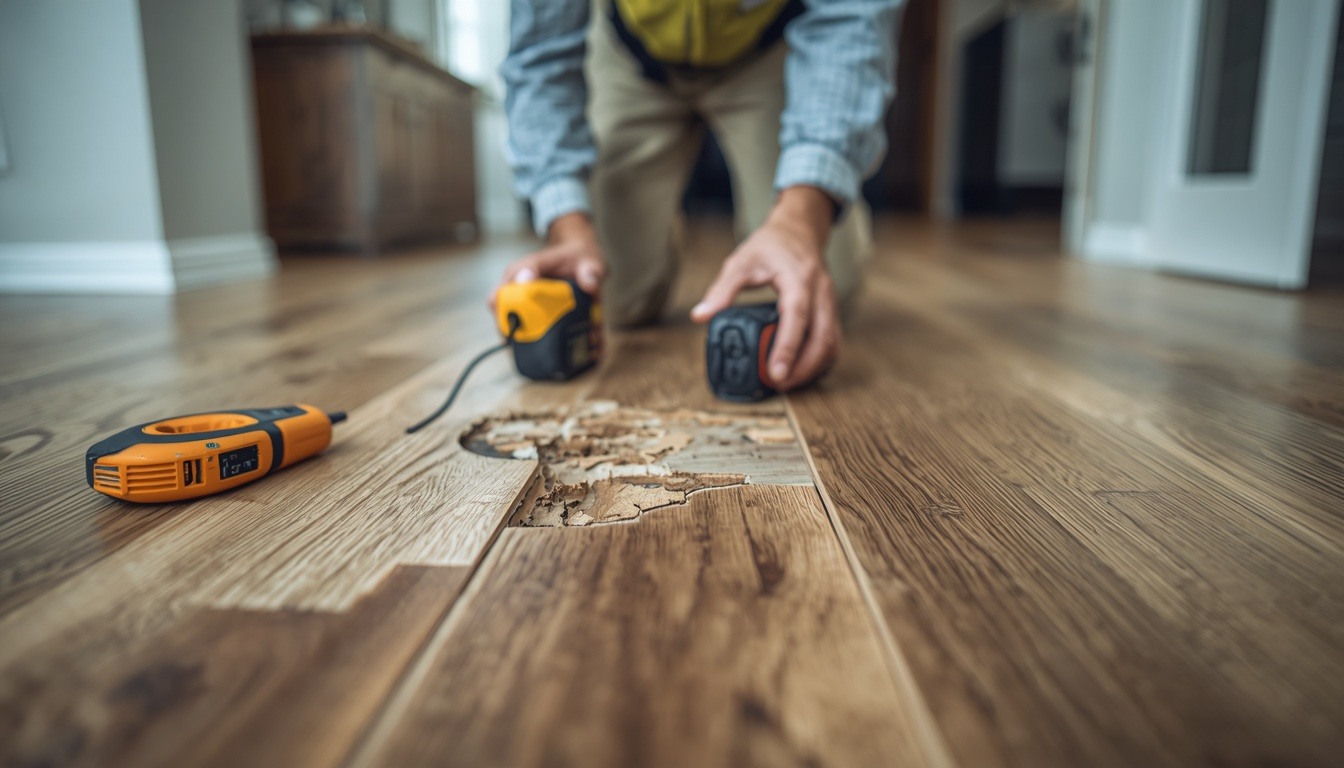
Have you ever walked into a home or commercial building and noticed cracked tiles, lifting wood planks, uneven carpet, or moisture damage? Most people think these problems appear suddenly, but the truth is they usually start small and grow over time. What begins as a tiny flooring issue can turn into a repair bill worth thousands of dollars.
This is where flooring inspection becomes extremely important.
A professional flooring inspector can identify hidden problems before they become major disasters. From moisture damage to installation mistakes, inspectors help property owners save money, protect their investment, and maintain safety. At the same time, flooring inspection has also become an exciting and rewarding career path for people who want to work in the flooring industry.
In this article, we will explore how flooring inspections help prevent expensive repairs, why skilled inspectors are in high demand, and why flooring inspection can be a smart career choice for the future.
Why Flooring Problems Become Expensive
Flooring issues often start small. A tiny moisture leak under hardwood flooring may not look serious at first, but over time it can cause:
- Warping
- Mold growth
- Floor separation
- Structural damage
- Subfloor deterioration
Similarly, poor installation can lead to loose tiles, uneven surfaces, or flooring failure within months.
When problems are ignored, repair costs increase dramatically. In many cases, homeowners or businesses may need complete floor replacement instead of a simple repair.
This is why early flooring inspection is so valuable.
How Professional Flooring Inspections Help Avoid Costly Repairs
Professional flooring inspections help identify hidden issues before they turn into larger and more expensive problems. By evaluating moisture conditions, installation quality, subfloor performance, and flooring materials, inspectors can detect early signs of failure and help prevent unnecessary repair or replacement costs.
1. Early Detection of Moisture Problems
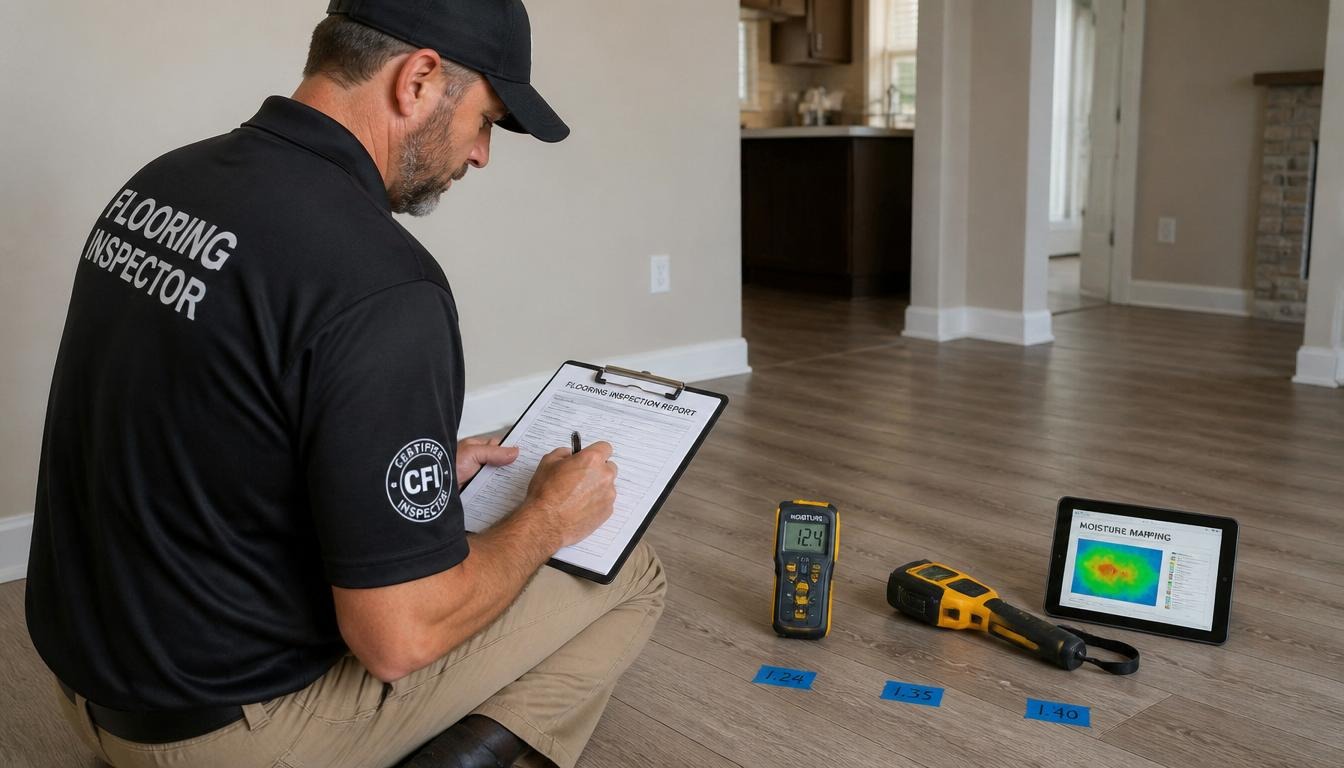
Moisture is one of the leading causes of flooring damage in residential and commercial properties. Industry standards such as ASTM F2170 and ASTM F1869, along with guidelines from the National Wood Flooring Association (NWFA), emphasize the importance of proper moisture testing before and after flooring installation.
Professional flooring inspectors may use inspection tools like moisture meters and relative humidity (RH) testing to evaluate concrete slabs, wood subfloors, and surrounding site conditions. Early detection of elevated moisture levels can help prevent problems such as warping, buckling, adhesive failure, delamination, and subfloor deterioration.
2. Identifying Poor Installation Mistakes
Improper installation is another major source of flooring repair costs. A flooring inspection can reveal problems such as:
- Incorrect adhesive application
- Improper seam placement
- Poor subfloor preparation
- Inadequate expansion gaps
- Uneven transitions
- Incorrect fastening methods
These issues may initially seem minor, but they can eventually lead to larger installation-related damage.
For example, hardwood floors installed without proper expansion spacing may buckle during seasonal humidity changes. Tile flooring installed over unstable substrates may develop cracked grout lines or loose tiles.
By identifying installation defects early, corrective action can often be limited to localized repairs instead of full replacement.
Related Articles:
- How Flooring Inspectors Help Resolve Installer-Homeowner Disputes
- Essential Tools Used by Flooring Inspectors
- Does Humidity Affect Vinyl Flooring
3. Flooring Inspection Protects the Subfloor Structure
Flooring damage does not always remain limited to the visible surface material. Long-term moisture exposure, structural movement, or ongoing installation-related issues can eventually affect the subfloor itself. In some environments, prolonged deterioration beneath the flooring system may contribute to material breakdown or indoor environmental concerns.
During an inspection, evaluators may examine subfloor flatness, movement, and site moisture conditions to identify underlying causes affecting flooring performance. Early identification of subfloor-related problems can help reduce larger structural repair costs and recurring floor damage.
This is especially important in commercial environments where heavy foot traffic, rolling loads, and continuous use may accelerate wear beneath the flooring system.
4. Helping With Insurance and Warranty Claims
Many homeowners and businesses face difficulties when filing flooring warranty or insurance claims.
Manufacturers, contractors, and insurance companies often need professional inspection reports to determine:
- What caused the damage
- Who is responsible
- Whether the issue is covered
A trained flooring inspector provides detailed documentation and professional analysis that helps resolve disputes fairly.
This saves property owners from paying unnecessary repair costs out of pocket.
Note: Flooring inspections related to claims, failures, and disputes often require specialized knowledge in inspection procedures, moisture testing, and report writing. You can also explore the IFCII’s Certified Flooring Inspector Directory to find trained inspectors for carpet, hardwood, laminate, luxury vinyl, and hard surface flooring systems.
Skills Needed to Become a Flooring Inspector
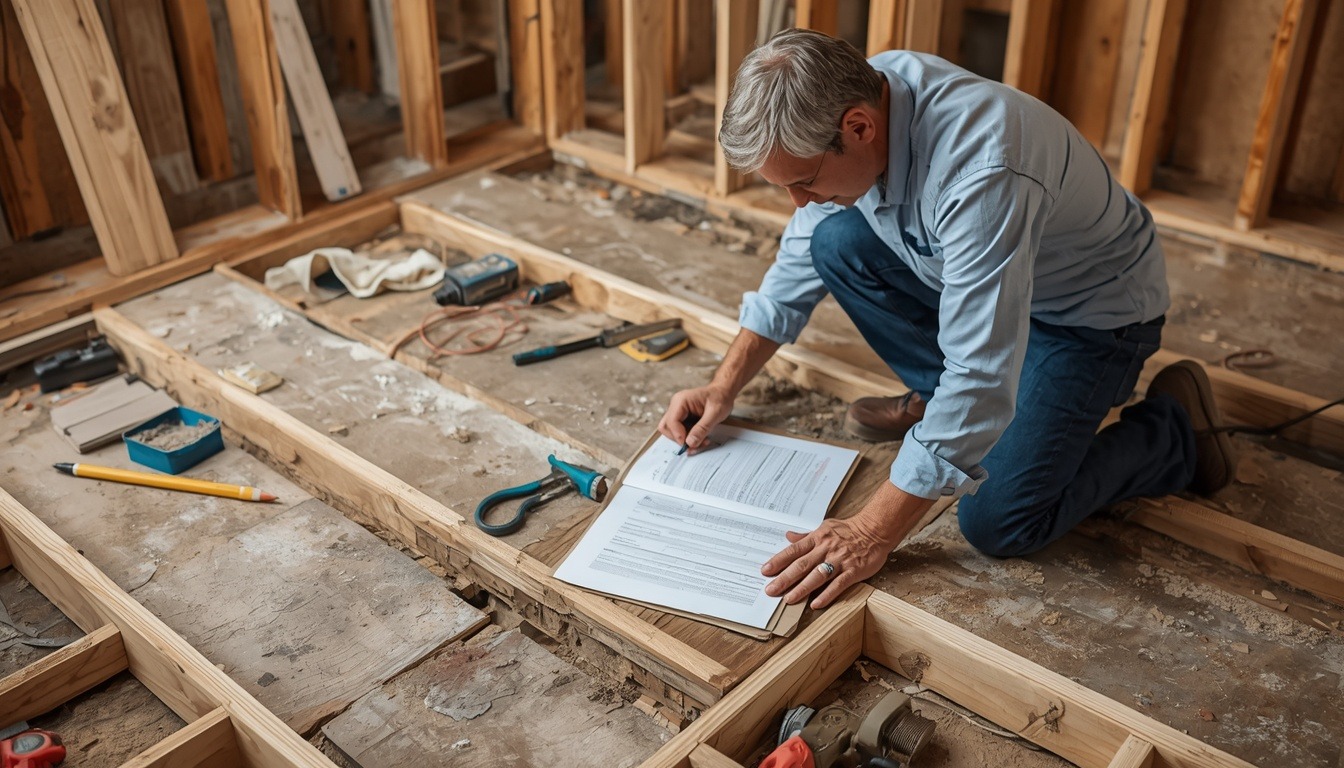
A successful flooring inspector should have:
- Attention to detail
- Problem-solving skills
- Technical flooring knowledge
- Good communication abilities
- Report-writing skills
- Understanding of flooring standards
Training programs and certification courses help inspectors develop these skills professionally.
Many inspection schools also provide hands-on learning with real flooring problems and testing equipment.
Education for Aspiring Flooring Inspectors
Accurately identifying flooring problems before they turn into expensive repairs requires technical knowledge, proper testing methods, and strong report-writing skills. Professionals who work with flooring failures, moisture-related issues, warranty claims, or inspection services often pursue specialized training to better understand how flooring systems perform and why failures occur.
IFCII offers flooring inspection training programs covering carpet, hardwood, laminate, luxury vinyl, and hard surface flooring systems, including:
Some programs are also available through remote learning formats for professionals in different locations.
When to Schedule a Flooring Inspection
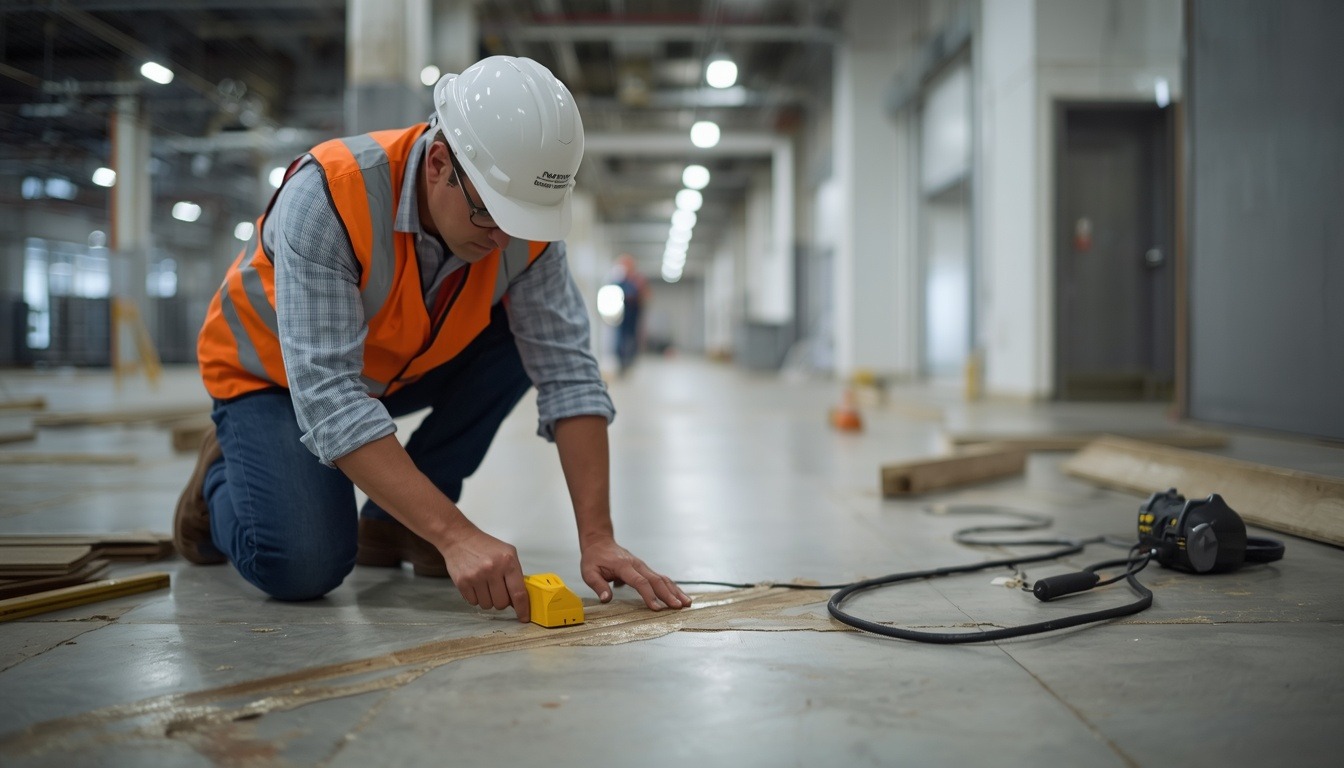
A flooring inspection may be helpful when visible damage, moisture concerns, installation problems, or unusual flooring performance issues begin to appear.
| Situation | Purpose of Inspection |
| Floors show movement, gaps, or separation | Determine whether moisture, expansion issues, or structural movement may be contributing factors |
| Moisture intrusion is suspected | Identify elevated moisture conditions before hidden subfloor damage worsens |
| Flooring fails prematurely | Evaluate whether installation errors, moisture exposure, or material-related issues may be involved |
| Warranty claims arise | Provide documented findings to help support claim evaluation and dispute resolution |
| Insurance-related damage occurs | Assess visible and concealed flooring conditions following water, impact, or environmental damage |
| Commercial flooring shows unusual wear | Identify traffic-related wear patterns, maintenance concerns, or substrate-related performance issues |
| During property transactions | Help verify the condition of existing flooring systems before purchase or renovation decisions |
| Before remodeling or replacement | Identify hidden subfloor problems or moisture conditions that could affect new flooring installation |
| Before large renovation or commercial turnover projects | Identify hidden substrate or moisture conditions before new flooring installation begins |
Professional flooring inspectors help detect problems early, improve flooring performance, increase safety, and save property owners thousands of dollars in repairs. Their work protects investments and ensures flooring systems last longer.
At the same time, flooring inspection is also becoming a promising career path for people who want to enter a growing technical industry. With rising demand, flexible opportunities, and strong earning potential, becoming a flooring inspector can be both financially rewarding and personally fulfilling.
As the flooring industry continues to expand, skilled inspectors will remain essential in preventing costly repairs and maintaining quality standards across residential and commercial spaces.