
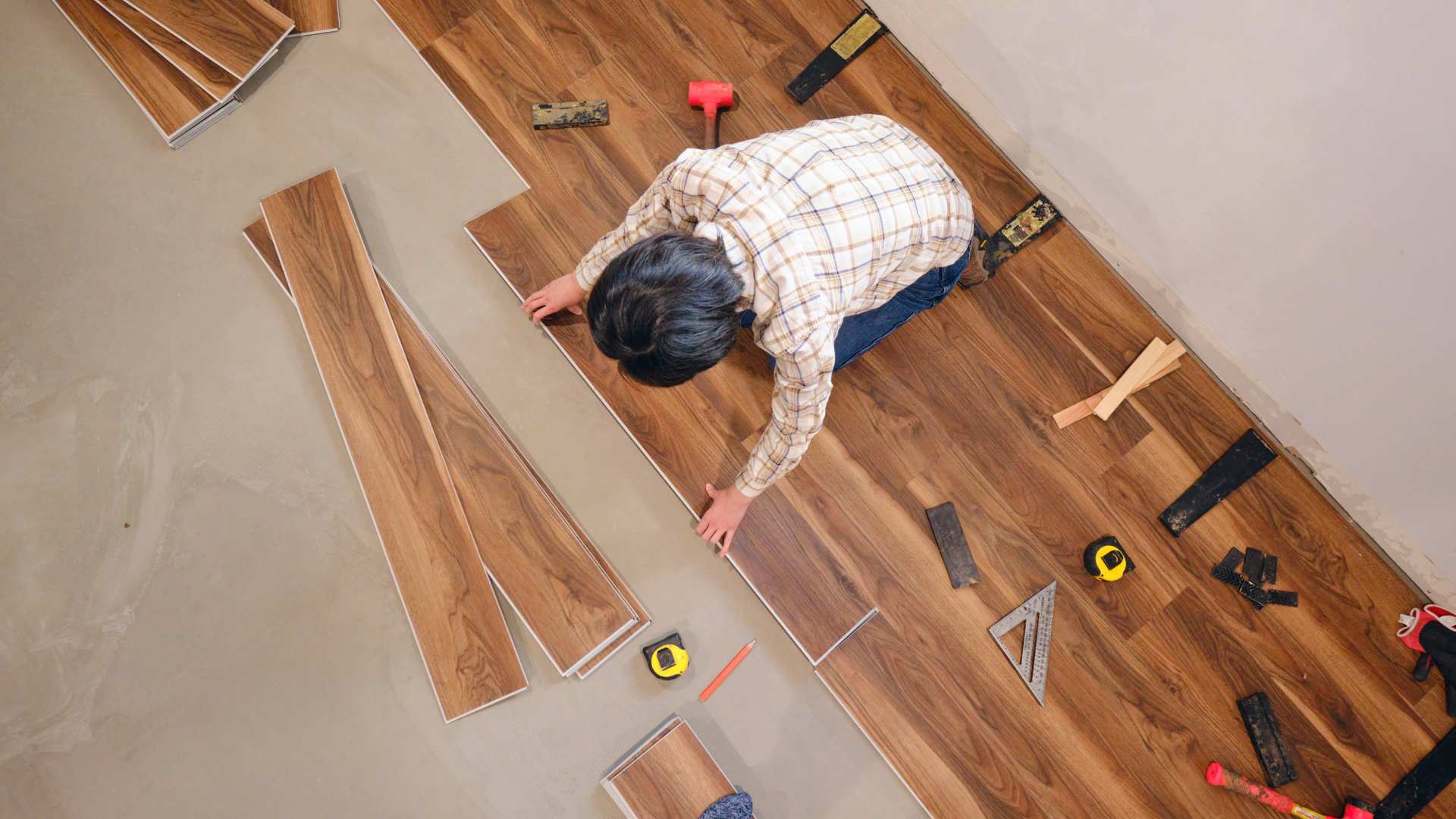
Your vinyl floor may not be failing because of damage, but because of something you can’t see.
Have you ever noticed your vinyl floor starting to lift, bubble, or feel uneven- and wondered why? You might think vinyl flooring is completely waterproof and safe from damage, but the truth is, there’s an important factor many people overlook: humidity.
While vinyl flooring is designed to resist water, it is not completely immune to moisture-related issues. Changes in humidity levels can affect not only the flooring itself but also the subfloor and adhesives used during installation. Over time, this can lead to problems like warping, gaps, lifting, or even mold growth beneath the surface.
For flooring inspectors, understanding how humidity impacts vinyl flooring is essential. It helps identify hidden issues, prevent costly failures, and ensure installations perform well over the long term.
How Humidity Affects Vinyl Flooring
Humidity doesn’t just have a minor impact – it can directly affect the performance and lifespan of vinyl flooring. Even though vinyl is known for its durability and water resistance, it still reacts to environmental conditions, especially when moisture levels are not controlled.
For professionals involved in flooring inspections, this is important because many flooring failures are linked to uncontrolled moisture and humidity rather than poor materials. Understanding these effects helps identify problems early and prevent costly repairs.
1. Expansion and Contraction
Vinyl flooring materials can expand when exposed to high humidity and contract when the air becomes dry. This constant movement may not be visible immediately, but over time it can lead to:
- Gaps between planks
- Buckling or lifting
- Uneven surfaces
2. Adhesive Failure
In glue-down vinyl flooring, adhesives play a critical role. High humidity can weaken the adhesive bond, causing:
- Loose tiles or planks
- Edges curling up
- Complete flooring failure in extreme cases
3. Subfloor Moisture Issues
Humidity doesn’t just affect the top layer- it impacts the subfloor as well. If the subfloor absorbs moisture, it can:
- Cause swelling
- Create uneven surfaces
- Lead to mold growth
This is one of the most important areas inspectors need to check.
4. Mold and Mildew Growth
High humidity creates the perfect environment for mold and mildew, especially under the flooring, where it’s not easily visible.
This can result in:
- Unpleasant odors
- Health risks for occupants
- Long-term structural damage
Common Signs of Humidity Damage in Vinyl Flooring
As a flooring inspector, you need to identify issues early. Here are some common signs to watch for:
- Flooring lifting or bubbling
- Visible gaps between planks
- Warped or uneven surface
- Discoloration or stains
- Musty smell (possible mold underneath)
Spotting these signs during an inspection can help prevent bigger problems later.
Ideal Humidity Levels for Vinyl Flooring
To maintain the performance of vinyl flooring, indoor humidity levels should typically stay between 35% and 55%.
When humidity goes beyond the recommended range, different parts of the flooring system begin to react. The adhesive can weaken, the subfloor may absorb moisture and become uneven, and the vinyl itself can expand or shift.
These changes may not be visible right away, but over time, they can lead to gaps, lifting, or surface damage. That’s why maintaining proper indoor humidity is important to keep the flooring stable and long-lasting.
How Flooring Inspectors Detect Humidity Issues
Professional flooring inspectors use specific tools and methods to identify humidity-related problems accurately.
1. Moisture Meters
These tools measure moisture levels in the subfloor and help detect hidden dampness.
2. Hygrometers
Used to check humidity levels in the air and determine whether conditions are within a safe range.
3. Visual Inspection
Inspectors look for visible signs such as lifting, warping, or discoloration.
4. Subfloor Testing
Testing the subfloor ensures it meets required moisture standards before and after installation. Using these methods helps inspectors provide accurate assessments and reliable solutions.
Get to Know the Essential Tools Used by Flooring Inspectors
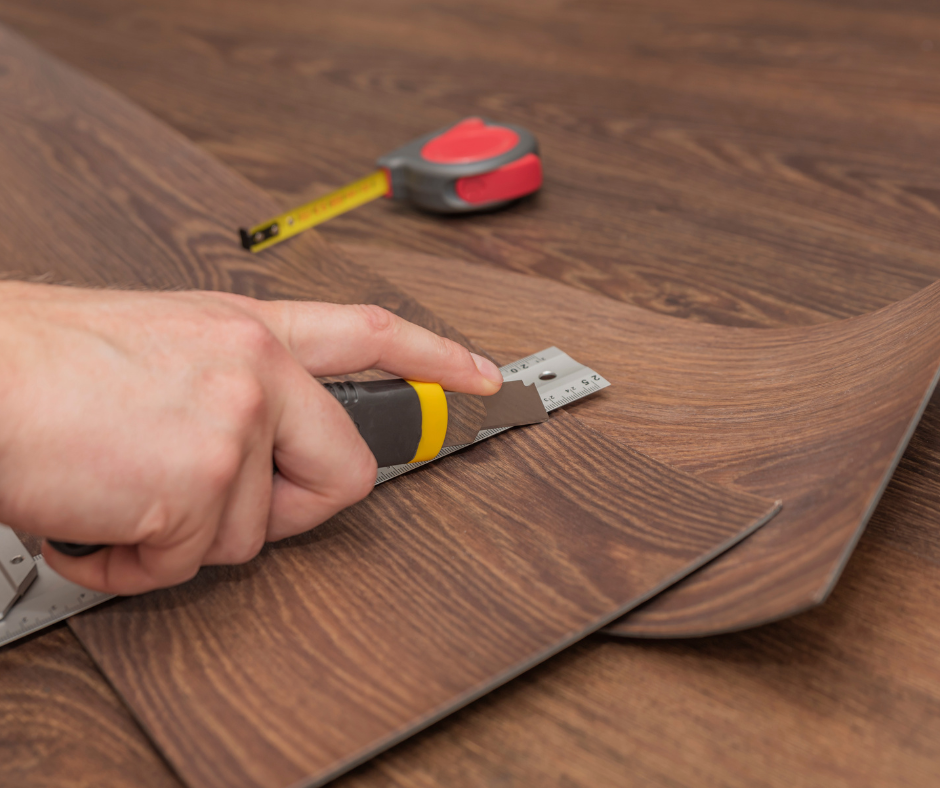
Prevention Tips: How to Avoid Humidity Issues
Preventing humidity-related problems is always better than fixing them later. With the right steps, you can protect vinyl flooring and ensure it lasts longer without damage. Here are some simple and practical tips
1. Proper Acclimatization
Before installing vinyl flooring, it’s important to let the material adjust to the room environment.
- Keep the flooring in the room for at least 24- 48 hours before installation.
- Make sure the room temperature and humidity are normal during this time
- Do not install flooring immediately after bringing it from storage
This helps the flooring settle and reduces the chances of expansion or shrinking later.
2. Check Subfloor Moisture
The subfloor must be dry before installation. Even a small amount of moisture can cause problems later.
- Use a moisture meter to check moisture levels
- Make sure the subfloor is clean and completely dry
- Avoid installing flooring on a damp surface
A dry and stable base is very important for long-lasting flooring.
3. Use Suitable Adhesives
Not all adhesives work well in every condition. Choosing the right one is important.
- Use adhesives recommended for vinyl flooring.
- Select products suitable for high or low humidity areas
- Follow proper application instructions
Good-quality adhesive helps keep the flooring in place and prevents lifting.
4. Maintain Indoor Conditions
Controlling indoor humidity is one of the best ways to prevent flooring issues.
- Keep humidity levels between 35% and 55%
- Use air conditioners or dehumidifiers in humid areas
- Ensure proper ventilation in the room
Stable indoor conditions help maintain the shape and strength of the flooring.
5. Follow Manufacturer Guidelines
Every flooring product comes with specific instructions that should be followed carefully.
- Read and follow the installation guidelines properly.
- Do not skip important steps
- Use recommended tools and materials
Following these instructions reduces the risk of mistakes and ensures better performance.
Note: If humidity-related issues are not controlled properly, they can lead to serious flooring failures that may even require expert inspection and legal evaluation, as explained in our article on flooring failure cases.
Why This Knowledge Matters for Flooring Inspectors
Understanding humidity is not just technical knowledge- it is a real professional advantage for flooring inspectors. In many cases, flooring problems are not caused by poor materials or installation, but by environmental factors like moisture and humidity that are often ignored.
As a flooring inspector, your role is to identify problems, find the root cause, and recommend the right solution. If you have a clear understanding of how humidity affects vinyl flooring, you can detect hidden issues more accurately and prevent them from becoming major failures later.
This knowledge helps you deliver more reliable inspections, avoid costly mistakes, and build trust with clients. When you can clearly explain the cause of a flooring issue, it strengthens your credibility and sets you apart as a skilled professional. To further develop these skills, you can enroll in the Luxury Vinyl Flooring Inspection Course offered by IFCII, which focuses on practical problem identification and solution-based reporting. The next batch begins on June 15, 2026. You can register here.
Build Your Expertise with IFCII
If you want to become a skilled flooring inspector or take your career to the next level, proper training is the key to success. Real flooring problems like humidity, moisture, and installation failures can only be handled with practical knowledge and industry experience.

IFCII (Institute for Floor Covering Inspectors International) offers professional courses that prepare you for real-world flooring challenges, not just theoretical knowledge. These programs are designed to help you understand how flooring systems behave in actual working conditions and how to inspect them with confidence.
IFCII provides a range of specialized courses, including the Flooring Expert Witness Course, Carpet and Hard Surface Inspector Training, and NALFA Laminate Flooring Inspection Course. Each course is focused on building practical skills that you can directly apply in the field.
Through IFCII training, you will:
- Develop strong practical inspection skills
- Learn how to identify and solve flooring failures
- Gain real industry-based knowledge
- Improve your confidence and career opportunities
Whether you are just starting out or already working in the flooring industry, IFCII certification helps you stand out, build trust with clients, and grow faster in your professional journey.
Final Thoughts
So, does humidity affect vinyl flooring? The answer is yes, more than most people realize. While vinyl flooring is known for its durability and water resistance, it is not completely immune to environmental conditions. High humidity can lead to expansion, adhesive failure, subfloor damage, and even mold growth.
For flooring inspectors, understanding these effects is not optional; it is essential. By learning how to detect, analyze, and prevent humidity-related issues, you can ensure better flooring performance and deliver more reliable inspections.
Professional training like IFCII programs can help develop the practical skills and confidence needed for a successful career in flooring inspection.