
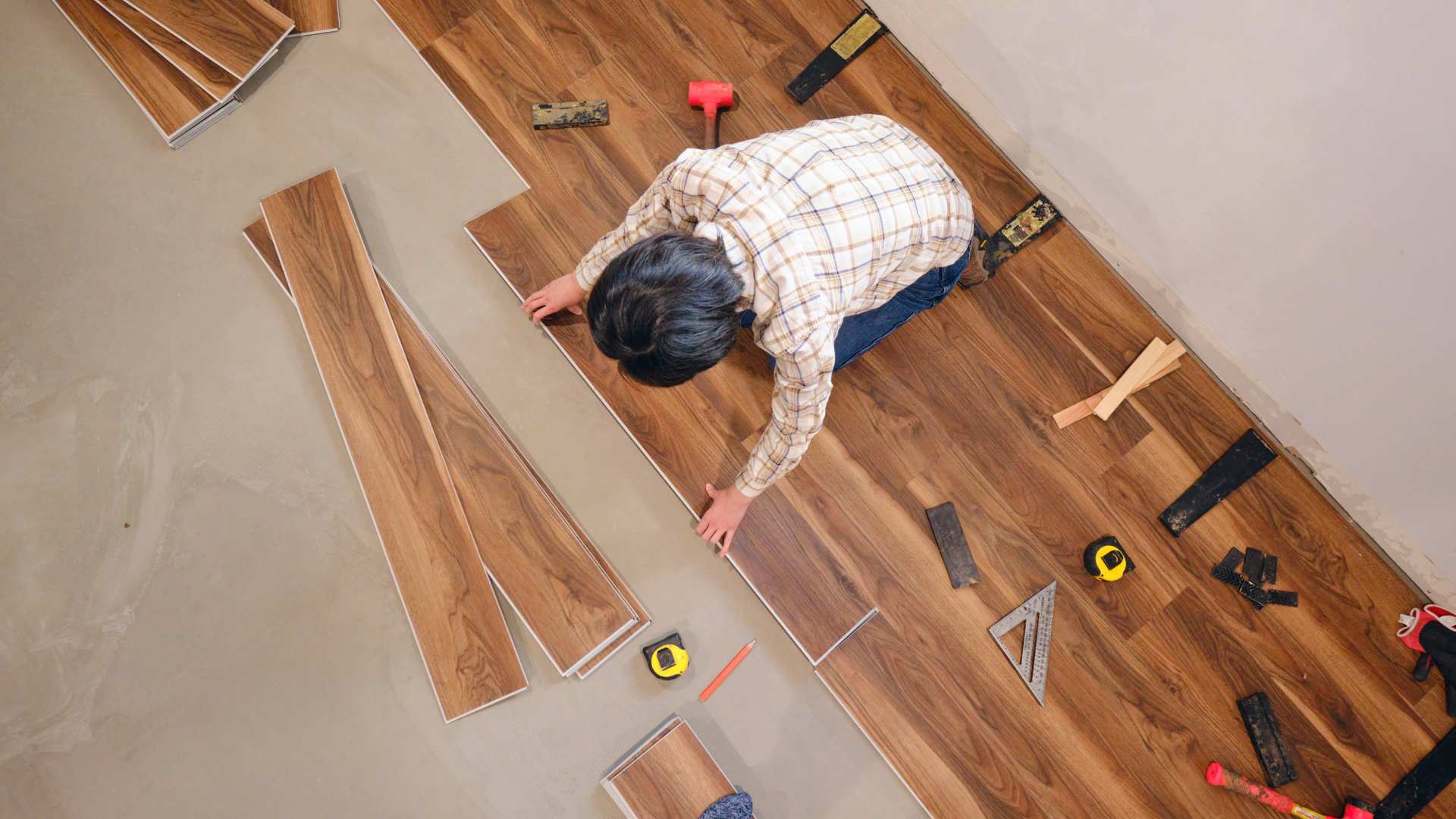
Flooring inspections require more than visual observation. Professionals rely on specialized tools to identify installation issues, material defects, moisture problems, and subfloor conditions. Understanding the essential tools used by flooring inspectors is important for anyone working in flooring installation, claims analysis, or inspection services.
These tools help inspectors perform accurate evaluations, collect measurable data, and document findings for professional reports. Without them, many flooring failures, such as moisture-related damage or improper installation, can go undetected.
This guide explains the key inspection tools, how they work, and when they should be used, helping beginners and professionals understand the equipment used during flooring inspections.
Why Flooring Inspectors Need Specialized Tools
A flooring inspection often determines the cause of a failure. The issue may involve excess moisture in the subfloor, improper installation methods, material defects, structural movement in the subfloor, or environmental conditions affecting the flooring.
Because multiple factors can contribute to flooring damage, inspectors must carefully evaluate both the flooring material and the surrounding conditions. Using the right floor inspection tools helps inspectors move beyond assumptions and gather objective, measurable evidence.
These tools support accurate conclusions and ensure that inspection reports are credible and defensible. For example, moisture meters and hygrometers can confirm whether environmental conditions contributed to flooring failure analysis, while magnification tools help identify manufacturing defects.
‘‘Many professionals who want to become inspectors eventually pursue formal certification training. If you’re evaluating different programs, this guide on how to choose the best floor inspection certification course explains what to look for in professional inspector training.’’
Essential Tools Used by Flooring Inspectors
Below are the most common tools professionals use during flooring inspections.
1. Moisture Meter
A moisture meter is one of the most critical tools for flooring inspectors because excess moisture is a leading cause of flooring problems, especially with hardwood, laminate, and luxury vinyl flooring. This tool measures the moisture content within flooring materials and the surfaces beneath them, helping inspectors detect conditions that may lead to failure.
During an inspection, moisture meters are commonly used to check wood flooring, subfloors, and underlayment materials, while concrete slabs often require standardized moisture testing methods. However, when evaluating concrete subfloors, inspectors may also rely on standardized testing methods designed specifically for concrete moisture analysis.
Two widely recognized industry standards include:
- ASTM F2170 – In-situ Relative Humidity (RH) Probe Testing: This method measures the internal humidity within a concrete slab using probes inserted into drilled holes.
- ASTM F1869 – Calcium Chloride Test: This test measures the moisture vapor emission rate (MVER) from a concrete slab using sealed test kits placed on the surface.
These tests help inspectors determine whether concrete moisture conditions meet manufacturer installation requirements.
Two common types of moisture meters are used in flooring inspections:
| Moisture Meter Type | How It Works | Best Use |
|---|---|---|
| Pin-Type Moisture Meter | Uses probes that are inserted into the material to measure moisture levels within the flooring. | Provides precise internal moisture readings, useful for detailed testing. |
| Pinless Moisture Meter | Uses sensor pads to detect moisture below the surface without penetrating the material. | Ideal for scanning larger areas quickly and identifying potential moisture problem spots. |
Moisture testing is essential when investigating cupping, warping, adhesive failure, or mold-related damage.
2. Hygrometer or Thermo-Hygrometer
A hygrometer measures the relative humidity in the environment, while a thermo-hygrometer measures both relative humidity and temperature. These environmental conditions play an important role in flooring performance.
Inspectors use these instruments to determine whether indoor humidity levels exceed manufacturer recommendations, whether temperature fluctuations may be causing flooring materials to expand or contract, and whether improper climate control contributed to flooring damage.
Maintaining the correct humidity range is important because many flooring products require specific environmental conditions for proper installation and long-term stability.
‘‘New inspectors sometimes misuse moisture meters, skip environmental testing, or fail to document results correctly. These issues are common among beginners, which is why training is important. This guide on common mistakes new floor inspectors make and how training prevents them explains several pitfalls inspectors should avoid.’’
At IFCII, training programs teach inspectors how environmental conditions impact flooring performance. Understanding humidity levels and climate conditions helps professionals identify the root cause of many flooring failures.
3. Magnifying Glass or Inspection Microscope
Small defects in flooring materials are often difficult to detect with the naked eye. A magnifying glass or inspection microscope helps inspectors closely examine details such as surface scratches, wear patterns, manufacturing defects, fiber damage in carpets, and finish failures in hardwood flooring.
This tool is especially useful during material failure analysis, as identifying subtle defects can help determine whether the problem resulted from a manufacturing issue or from installation practices.
4. Straightedge or Level
A straightedge or level helps inspectors determine whether the subfloor or finished flooring surface is flat and properly installed. Many flooring manufacturers specify allowable flatness tolerances that must be met before flooring is installed.
In many flooring systems, inspectors use a 6-foot or 10-foot straightedge to check subfloor flatness. Common industry flatness guidelines include:
- 3/16 inch variation within 10 feet
- 1/8 inch variation within 6 feet
Inspectors use this tool to check for uneven subfloors, lippage between tiles or planks, and areas where the floor may not have been properly leveled before installation. These subfloor irregularities can lead to problems such as click-lock flooring failure, seam separation, or premature wear over time.
5. Tape Measure
While simple, a tape measure remains an essential inspection tool. Inspectors use it to document expansion gaps along walls, measure room dimensions, check the spacing between flooring joints, and evaluate the overall installation layout.
Accurate measurements are important for inspection reports, particularly when verifying whether the flooring was installed according to manufacturer guidelines.
6. Camera or Documentation Device
Accurate documentation is a critical part of a flooring inspection. Inspectors use cameras to record visible flooring damage, installation methods, moisture testing locations, and environmental conditions observed during the evaluation.
These photographs become part of the professional inspection report and help support the inspector’s conclusions. In many cases, the images are later reviewed by contractors, manufacturers, insurance companies, or legal professionals when assessing the cause of a flooring issue.
Some inspectors also use specialized inspection software to organize reports and images for clients.
7. Flashlight or Inspection Light
A high-intensity flashlight helps inspectors identify surface irregularities and finish problems that may not be visible under normal lighting. By directing light across the flooring surface, inspectors can reveal issues such as scratches, scuff marks, surface texture irregularities, improper seam placement, and adhesive residue.
Using angled lighting is especially effective because it highlights subtle defects and uneven areas that might otherwise go unnoticed during a standard visual inspection.
8. Probe or Awl
A probe or awl helps inspectors gently test flooring materials and check important installation details during an inspection. It can be used to examine seam integrity in carpet, check for loose or failed adhesive bonds, inspect underlayment layers, probe for delamination, and test for softness in damaged wood areas that may indicate moisture damage or deterioration.
Because this tool physically interacts with the flooring material, inspectors must use it carefully to avoid causing any additional damage during the inspection process.
9. Calcium Chloride Test Kit
A calcium chloride test kit is used to measure the moisture vapor emission rate (MVER) from concrete slabs. This test follows the ASTM F1869 standard, which evaluates how much moisture vapor is emitted from the concrete surface over a specific period.
During the test, a sealed container of calcium chloride is placed on the concrete surface for approximately 60–72 hours. The amount of moisture absorbed by the material helps inspectors determine whether the slab is releasing excessive moisture that could affect flooring adhesives or materials.
This test is commonly used when evaluating adhesive failures, vinyl flooring problems, and other moisture-related flooring issues.
10. RH Concrete Probe Kit
An in-situ relative humidity (RH) probe kit measures the internal moisture conditions within a concrete slab. This method follows the ASTM F2170 standard, which is widely recognized in the flooring industry for evaluating concrete moisture levels before installation.
Inspectors drill small holes into the slab and insert specialized probes that measure humidity levels within the concrete. These readings provide insight into the moisture conditions that flooring materials will experience after installation.
RH probe testing is commonly used during flooring failure investigations involving concrete subfloors.
11. Infrared Thermometer
An infrared thermometer allows inspectors to quickly measure surface temperatures without direct contact. Temperature differences across a flooring surface can sometimes indicate moisture presence, radiant heating systems, or environmental conditions affecting the flooring.
Inspectors often use infrared thermometers to:
- Identify temperature variations across the floor
- Check conditions near exterior walls or windows
- Evaluate radiant heating systems beneath flooring materials
This tool helps inspectors better understand environmental factors that may influence flooring performance.
12. Infrared Thermal Camera
A thermal imaging camera is a more advanced diagnostic tool used in some flooring inspections. It detects temperature variations across surfaces and converts them into thermal images.
Thermal cameras can help inspectors identify:
- Hidden moisture patterns
- Subfloor irregularities
- Temperature variations caused by radiant heating systems
- Areas where moisture may be affecting flooring materials
Although not required for every inspection, thermal imaging technology can provide valuable insights when diagnosing complex flooring failures.
13. pH Test Kit
A pH test kit measures the alkalinity of concrete slabs, which can significantly affect flooring adhesives and installation performance.
High alkalinity levels in concrete can cause adhesive breakdown, leading to flooring bond failures, especially in vinyl and resilient flooring installations.
Inspectors use pH testing kits to evaluate whether the concrete slab meets manufacturer recommendations for adhesive compatibility and installation conditions.
How Flooring Inspectors Use These Tools During an Inspection
A professional flooring inspection follows a systematic process, and different tools are used at each stage of the evaluation.
| Inspection Stage | What the Inspector Evaluates | Tools Used |
|---|---|---|
| Visual Inspection | The inspector examines the flooring surface and the surrounding environment to identify visible damage or irregularities. | Flashlight, camera, magnifying glass |
| Environmental Assessment | Environmental conditions that affect flooring performance are measured. | Hygrometer or thermo-hygrometer |
| Moisture Testing | Moisture levels in flooring materials and subfloors are tested to identify potential moisture-related issues. | Moisture meter, RH probe kit, calcium chloride test kit |
| Structural and Installation Evaluation | The inspector checks whether the flooring was installed correctly and whether the subfloor meets required standards. | Straightedge, tape measure, probe |
| Documentation and Reporting | All inspection findings are recorded with measurements, notes, and photographs for the final report. | Camera, measuring tools, inspection forms |
Note: Professionals trained in inspection procedures learn how to combine these tools with structured testing methods. For example, flooring inspectors often study these techniques in formal flooring inspection training programs that teach testing procedures, documentation, and failure analysis.
Become Skilled in Flooring Inspection Tools Through Comprehensive Training
Understanding flooring inspection tools is important, but using them correctly requires proper training and real-world practice. Professional inspectors must know how to perform field tests, interpret readings, and document findings accurately in an inspection report.
Many inspectors develop these skills through structured training programs that include hands-on inspection exercises and failure analysis.
For example, IFCII (Institute for Floor Covering Inspectors International) offers specialized flooring inspection training designed to help professionals understand real inspection procedures. Their programs focus on practical skills such as:
- Performing step-by-step flooring inspections
- Using moisture meters and environmental testing tools correctly
- Identifying installation errors and material defects
- Conducting flooring failure analysis
- Writing clear, well-documented inspection reports
Courses such as the Carpet and Hard Surface Inspector Certification, Luxury Vinyl Flooring Inspection Course, and NALFA Laminate Flooring Inspection Course help professionals build the technical knowledge required to evaluate different flooring systems.
For professionals who want to pursue a career in flooring inspection or strengthen their expertise, formal training can provide the structured knowledge needed to confidently use inspection tools and perform thorough evaluations.