
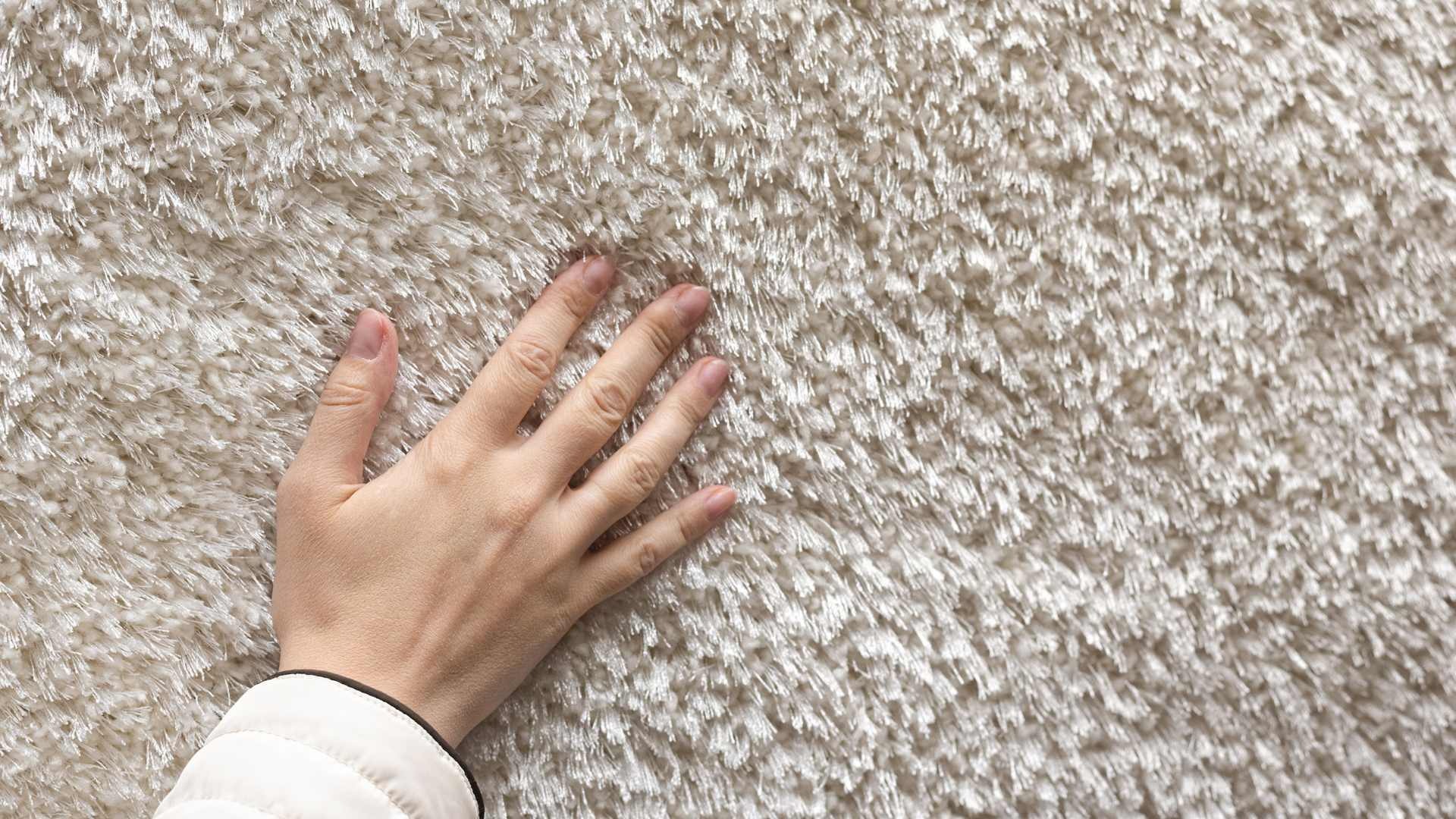
The inspection process also varies depending on the type of flooring being examined. Carpet vs. hard surface inspection involves different materials, installation systems, potential defects, and testing methods. In this article, we’ll explain how these inspection processes differ, what inspectors typically look for, and why identifying the underlying cause matters.
Whether you’re a homeowner, property manager, flooring contractor, installer, insurance professional, or someone dealing with a flooring dispute, this guide will help you understand what to expect from a professional flooring inspection and how inspectors approach carpet and hard surface problems differently.
What Is a Carpet Inspection?
A carpet inspection evaluates the condition of the carpet, its installation, and the surrounding conditions that may contribute to a flooring problem. Rather than focusing only on visible damage, an inspector looks for patterns that can help identify what caused the issue.
Depending on the complaint, the inspection may examine:
- Carpet seams and transitions
- Wrinkles, buckling, or rippling
- Fiber and pile conditions
- Shading or color variations
- Wear and traffic patterns
- Stretching and installation
- Padding and substrate conditions
- Staining or moisture concerns
The inspector may also review the carpet’s age, installation history, maintenance, and environmental conditions. These details can help distinguish between a material-related concern and a problem associated with installation, maintenance, or the conditions beneath the carpet.
Tip: Curious what tools professional inspectors rely on for accurate, non-destructive measurements? See the essential tools used by flooring inspectors to understand how experts assess conditions like expansion clearance.
What Is a Hard Surface Inspection?
A hard surface inspection evaluates flooring such as hardwood, laminate, tile, stone, and resilient flooring when a problem or performance concern is reported. The inspector considers the flooring material, installation, and surrounding conditions to understand what may be contributing to the issue.
An inspector may evaluate:
-
- Cracks, chips, or surface damage
- Gaps, movement, or uneven areas
- Cupping, crowning, or warping
- Grout and joint conditions
- Scratches, stains, or discoloration
- Adhesion or installation concerns
- Moisture or substrate conditions
Depending on the reported problem, the inspection may include photographs, measurements, moisture testing, or other appropriate methods to document the flooring’s condition.
What Does a Carpet Inspection Process Involve?
A carpet inspection typically begins by understanding the reported problem and identifying where and when it occurs. The inspector then examines the carpet and related components to determine whether the condition appears to be associated with the material, installation, maintenance, or surrounding environment.
1. Reviewing the Reported Concern
The inspector first considers the specific complaint, such as wrinkles, seam separation, uneven wear, staining, or changes in appearance. Understanding the history of the problem provides context for the inspection.
2. Examining the Carpet
The carpet is visually examined for visible defects, installation concerns, wear patterns, and changes in texture or appearance. The inspector may compare affected areas with surrounding sections to identify patterns.
3. Checking Installation Components
Depending on accessibility, the inspection may include carpet seams, stretching, backing, padding, transitions, and other installation components. These areas can provide useful information about how the carpet was installed and how it is performing.
4. Evaluating Surrounding Conditions
Environmental factors such as moisture, temperature, humidity, and conditions beneath the flooring may be considered when relevant to the reported problem.
5. Documenting Findings
Photographs, measurements, and other observations may be recorded during the inspection. This documentation provides a clear record of the conditions observed at the time of the inspection and supports the inspector’s analysis.
What Does a Hard Surface Inspection Process Involve?
A hard surface inspection follows a systematic process designed to evaluate the flooring material, installation, and surrounding conditions. The exact steps depend on the type of flooring and the problem being investigated.
1. Identifying the Flooring
The inspector first identifies the flooring material, such as hardwood, laminate, tile, stone, or resilient flooring. Understanding the material helps determine which characteristics and potential problems should be evaluated.
2. Examining Visible Conditions
The inspector documents visible concerns such as cracks, gaps, scratches, movement, discoloration, uneven areas, or damaged surfaces. Patterns across the affected area can provide important clues about the problem.
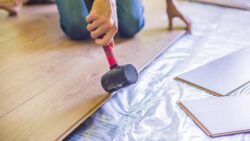
3. Evaluating Installation
Installation-related components may be examined where accessible. Depending on the flooring type, this can include joints, transitions, grout, adhesives, fasteners, underlayment, and substrate conditions.
4. Checking Moisture and Environmental Conditions
Moisture can contribute to several hard surface flooring problems. When appropriate, the inspector may evaluate moisture levels and consider environmental conditions that could affect the flooring’s performance.
5. Documenting and Analyzing Findings
The inspector records relevant observations through photographs, measurements, and appropriate testing. These findings are then considered alongside the flooring material, installation, and site conditions to help identify potential contributing factors.
Carpet vs. Hard Surface Inspection Process: Quick Comparison
The table below summarizes how the inspection process differs between carpet and hard surface flooring.
| Inspection Step | Carpet Inspection | Hard Surface Inspection |
| Reported Concern | Reviews issues such as wrinkles, buckling, seams, staining, or uneven wear | Reviews cracks, gaps, movement, scratches, warping, or uneven areas |
| Material Examination | Evaluates fibers, pile, backing, seams, and overall carpet condition | Examines hardwood, laminate, tile, stone, vinyl, or other hard surface materials |
| Installation Review | Checks stretching, seams, padding, tack strips, transitions, and adhesives where applicable | Examines joints, grout, adhesives, fasteners, transitions, underlayment, and installation methods |
| Surrounding Conditions | Considers moisture, humidity, temperature, and substrate conditions | Considers moisture, humidity, temperature, substrate, and environmental conditions |
| Testing & Documentation | May include measurements, photographs, moisture checks, and other appropriate observations | May include measurements, photographs, moisture testing, and other appropriate testing |
| Cause Analysis | Considers material, installation, maintenance, moisture, and environmental factors | Considers material, installation, substrate, moisture, movement, and environmental factors |
Why Do Carpet and Hard Surface Inspections Require Different Approaches?
Carpet and hard surface flooring involve different flooring materials, construction methods, and installation systems, so they can develop different types of problems. Carpet inspections may focus on fibers, backing, seams, padding, and stretching, while hard surface inspections often involve joints, substrate conditions, moisture, movement, and surface damage.
These differences also affect how an inspector investigates a reported problem. A visible issue does not always reveal its underlying cause, so the inspection approach needs to consider the specific flooring material, installation method, site conditions, and symptoms. Using the appropriate inspection methods helps provide a clearer understanding of what may be contributing to the flooring problem.

Related Articles:
Flooring Inspector vs Expert Witness: What’s the Difference
Why Flooring Inspectors Need to Learn Field Testing Techniques
Certified vs. Non-Certified Flooring Inspectors: What Is the Difference?
Need Answers About Your Flooring Problem?
When carpet or hard surface flooring develops an unexpected problem, identifying the cause can require specialized knowledge and proper inspection methods. IFCII can help you locate a certified flooring inspector trained to evaluate carpet, hardwood, laminate, luxury vinyl, ceramic tile, and other flooring materials.
IFCII-certified inspectors are available throughout the USA, Canada, and the UK for homeowners, insurance companies, attorneys, contractors, installers, retailers, manufacturers, and distributors. Use the inspector search to find a qualified professional near you or contact IFCII with questions.
Call Today: (678) 595-5446