
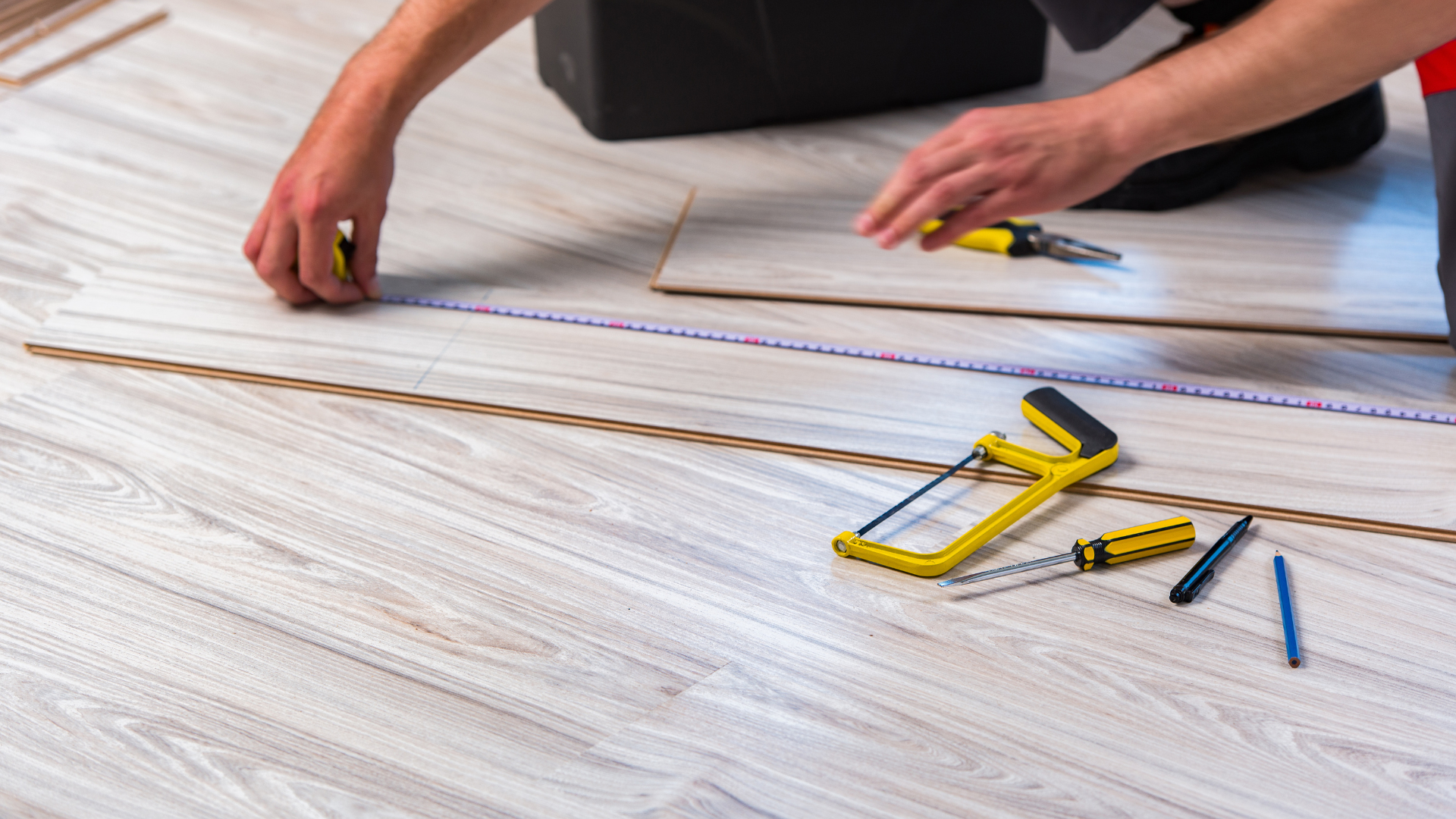
Flooring defects do not always have a single, obvious cause. A buckling hardwood floor, cracked tile, or discolored carpet may look like a simple installation problem, but the real cause could be moisture damage, material failure, or environmental changes. Identifying the wrong cause can lead to ineffective repairs and recurring problems.
This is why differential diagnosis plays an important role in flooring inspection. It helps inspectors look beyond visible damage, investigate different possibilities, and determine which explanation best fits the evidence.
By understanding how and why flooring failures occur, inspectors can provide more reliable findings and help property owners, contractors, and other parties make informed decisions about the next steps.

How Differential Diagnosis Works in Flooring Inspection
Differential diagnosis in flooring inspection is the process of identifying and comparing possible causes of a flooring problem before determining the most likely explanation. Rather than assuming a visible defect has a single cause, the inspector examines the flooring system, installation methods, environmental conditions, and available documentation.
For example, gaps in hardwood flooring may result from seasonal humidity changes, excessive drying, improper installation, or moisture-related movement. The inspector evaluates these possibilities against the available evidence to determine which explanation best fits the observed conditions.
The goal is to identify the most likely cause through careful investigation rather than relying on assumptions or visual observations alone.
Tip: Want to strengthen your flooring inspection knowledge? Visit IFCII to learn about professional flooring inspector training and certification programs.
Why Is Differential Diagnosis Important in Flooring Inspection?
Many flooring defects have similar appearances but different underlying causes. Without a systematic investigation, an inspector may identify the wrong cause, leading to inappropriate repairs, recurring problems, or disagreements between property owners, contractors, manufacturers, and other parties.
Differential diagnosis helps inspectors:
- Identify the underlying cause: Distinguish between installation deficiencies, environmental conditions, material issues, and maintenance-related problems.
- Avoid premature conclusions: Consider alternative explanations before identifying the probable cause of a defect.
- Support repair decisions: Help determine whether the problem requires moisture control, installation corrections, material replacement, or further investigation.
- Improve technical reporting: Connect observed damage with relevant measurements, test results, photographs, and industry requirements.
- Resolve flooring disputes: Provide a structured, evidence-based explanation that can assist in warranty claims, insurance investigations, and construction disputes.
A thorough differential diagnosis makes flooring inspection findings more defensible and useful for decision-making.
Common Flooring Problems That Require Differential Diagnosis
Several flooring conditions require careful investigation because they can develop for different reasons.
1. Buckling and Lifting
Buckling occurs when flooring rises, separates, or lifts from the substrate. It may be associated with moisture exposure, inadequate expansion space, improper adhesive application, or installation conditions that restrict normal movement.
An inspector may evaluate moisture readings, expansion clearances, installation methods, substrate conditions, and the distribution of the damage. These findings help distinguish between moisture-related movement and installation-related restrictions.
2. Gaps Between Flooring Planks
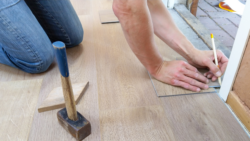
Gaps can develop in hardwood, laminate, and other plank flooring systems. Possible causes include seasonal humidity changes, material shrinkage, improper installation, or unsuitable environmental conditions.
The inspector considers the size and location of the gaps, the flooring material, indoor humidity, moisture content, and the installation history. This helps determine whether the gaps are consistent with normal material movement or indicate a more significant problem.
Also Read: Are Gaps Between Vinyl Planks Normal?
3. Discoloration and Staining
Discoloration may result from moisture intrusion, chemical exposure, sunlight, surface contamination, or changes within the flooring material.
A proper investigation considers the pattern of discoloration, its location, nearby plumbing or exterior openings, surface conditions, and relevant moisture readings. The appearance of a stain alone is rarely enough to establish its cause.
4. Cracking and Loose Tiles
Cracked or loose tiles may be associated with substrate movement, inadequate mortar coverage, improper bonding, structural movement, or missing movement joints.
Inspectors evaluate crack patterns, grout conditions, substrate stability, installation details, and available information about the materials used. Where appropriate, limited removal or additional testing may be necessary to examine concealed conditions.
5. Adhesive Failure and Delamination
Flooring that separates from its substrate may indicate adhesive incompatibility, excessive moisture, contamination, improper surface preparation, or installation outside the product’s recommended conditions.
The inspector examines the failure pattern, adhesive residue, substrate condition, and applicable manufacturer instructions. Additional testing may help determine whether the problem involves the adhesive, flooring material, substrate, or a combination of factors.
How Does an Inspector Perform a Differential Diagnosis?
Differential diagnosis follows a structured process. The exact methods depend on the flooring material, the symptoms, the site conditions, and the scope of the inspection.
Step 1: Identify and Document the Symptoms
The inspector begins by recording visible flooring problems, such as buckling, cracking, discoloration, gaps, loose areas, or changes in floor level. Photographs, measurements, and location details help establish the extent of the damage. The inspector also notes when the problem first appeared and whether it has worsened over time.
Step 2: Review the Flooring System and Installation History
The inspector reviews the flooring material, installation method, substrate type, adhesive specifications, and manufacturer’s instructions. Installation records, invoices, product documentation, and previous repair reports can provide useful information.
This information helps the inspector assess whether the installation meets the applicable requirements and identify factors that may have contributed to the flooring problem.
Step 3: Evaluate Environmental and Moisture Conditions
Temperature, relative humidity, moisture exposure, and inadequate acclimation can affect flooring performance. Depending on the flooring system, inspectors may use moisture meters, hygrometers, or other suitable instruments to assess site conditions.
These measurements must be interpreted alongside the observed damage and manufacturer recommendations rather than treated as proof of a specific cause.
Step 4: Develop and Compare Possible Causes
After gathering initial evidence, the inspector identifies and compares possible explanations for the flooring problem. For example, loose tiles may result from inadequate mortar coverage, poor surface preparation, substrate movement, or moisture-related deterioration. Each possibility is evaluated against the inspection findings to determine which explanation is best supported by the evidence.
Step 5: Conduct Additional Testing When Necessary
Some flooring defects require further investigation beyond visual observation. Depending on the suspected cause, the inspector may conduct moisture tests, evaluate bond strength, examine concealed flooring layers, or recommend selective removal of materials. Additional testing can help confirm or eliminate possible causes and provide a clearer understanding of the flooring failure.
Step 6: Interpret the Findings and Prepare a Report
The inspector reviews the evidence, identifies the most likely cause or contributing factors, and documents the findings in a clear report. The report typically includes observations, photographs, measurements, testing methods, and the alternative explanations considered.
If the evidence is insufficient to establish a definite cause, the inspector should explain the limitations rather than present an uncertain explanation as a confirmed finding.
Tip: Flooring disputes can sometimes involve legal proceedings. Learn about IFCII’s Flooring Expert Witness Course to understand the role of flooring professionals in these cases.
What Skills Does a Flooring Inspector Need for Differential Diagnosis?
Effective differential diagnosis requires technical knowledge, careful observation, and the ability to interpret evidence objectively.
Important skills include:
- Knowledge of Flooring Materials: Understanding the characteristics and performance requirements of hardwood, laminate, carpet, resilient flooring, tile, and other systems.
- Understanding of Installation Methods: Recognizing how substrate preparation, adhesive selection, fastening, and installation conditions affect performance.
- Moisture and Environmental Assessment: Understanding how moisture content, relative humidity, and temperature influence different flooring materials.
- Testing and Measurement: Selecting suitable inspection methods and interpreting results within their limitations.
- Technical Documentation: Preparing clear reports that distinguish observed facts from interpretations and conclusions.
- Critical Thinking: Considering alternative causes and avoiding conclusions that are not supported by sufficient evidence.
The Institute for Floor Covering Inspectors International (IFCII) offers flooring inspection training and certification programs covering carpet and hard surfaces, luxury vinyl, laminate flooring, and report writing.
Through practical training and continued education, inspectors can strengthen their skills in evaluating flooring defects, conducting appropriate tests, and preparing well-documented inspection reports.
Related Articles:
How to Measure Tile Lippage
How Flooring Inspectors Diagnose Laminate Flooring Swelling
Certified vs. Non-Certified Flooring Inspectors: What Is the Difference?
Identify the Root Cause of Flooring Defects
Accurate flooring diagnosis starts with a qualified inspector. Use the IFCII Certified Flooring Inspector Directory to find trained professionals who can assess flooring failures, evaluate possible causes, and provide documented inspection reports. Find an inspector serving your area across the USA, Canada, or the UK.
Find a Certified Flooring Inspector or call 678-595-5446 for assistance.
Conclusion
Differential diagnosis helps flooring inspectors identify the likely causes of flooring defects through careful observation, testing, and evidence-based analysis. By evaluating possible causes before reaching conclusions, inspectors can prepare accurate reports, support appropriate repair decisions, and help resolve flooring-related disputes.