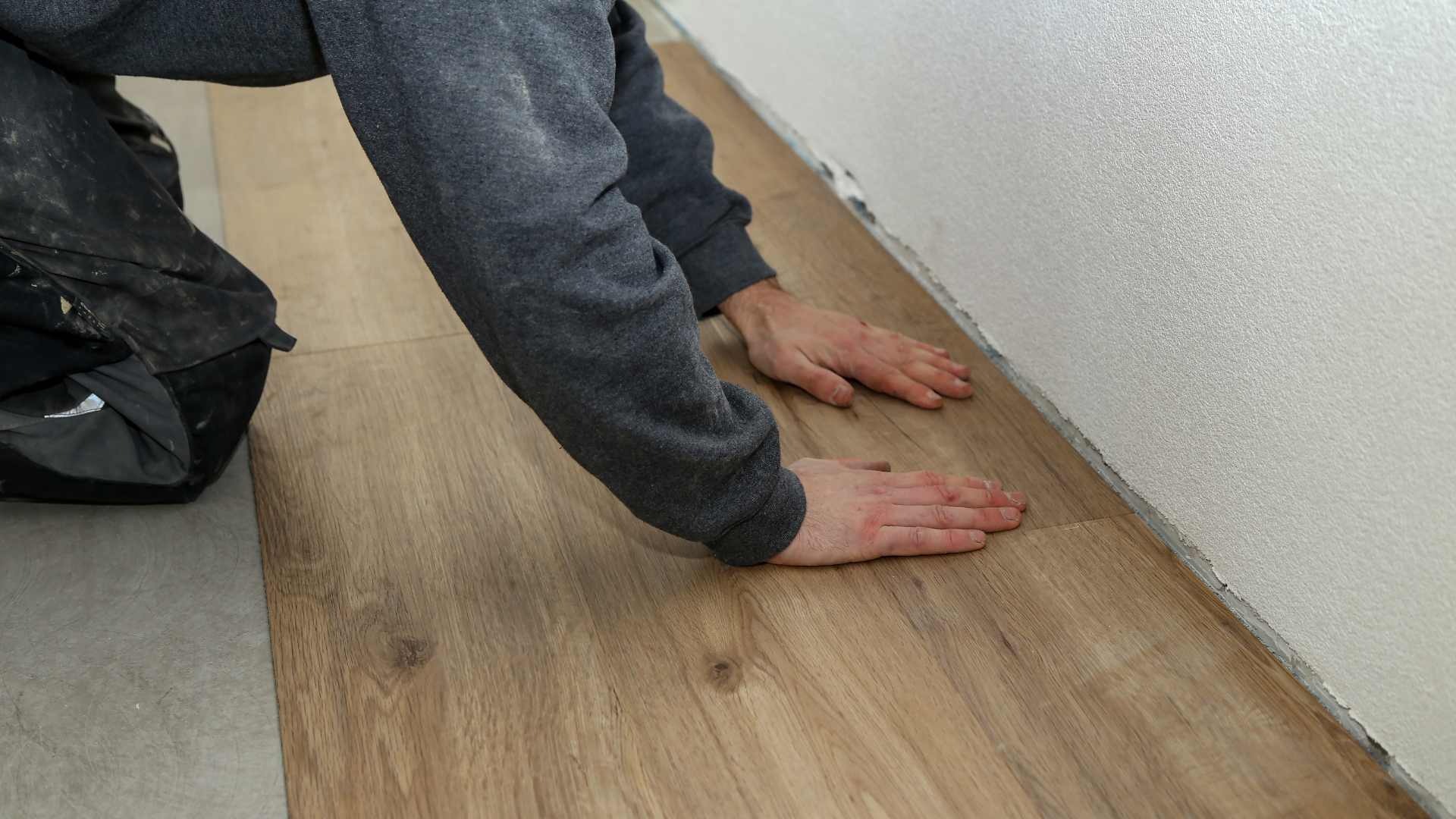
Flooring plays an important role in maintaining a property’s safety, durability, and overall condition. During a property inspection, floors can reveal signs of moisture intrusion, structural movement, installation defects, and general wear and tear. However, certain flooring conditions can make it difficult for inspectors to assess the underlying structure or determine the full extent of a problem.
Understanding these challenges is essential for accurate flooring assessments. Through specialized training and certification, the Institute for Floor Covering Inspectors International (IFCII) helps flooring inspection professionals develop the knowledge and skills needed to evaluate different flooring conditions and identify potential defects.
Here are some flooring conditions that can complicate an inspection and why they deserve attention.
Common Flooring Issues Inspectors Need to Evaluate
Understanding these conditions is an important part of flooring inspection training, helping inspectors recognize potential defects and determine when further evaluation may be necessary.
1. Uneven or Sloping Floors
Uneven or sloping floors are common concerns during a property inspection. A floor may slope from one side of a room to another, dip in certain areas, or feel unstable underfoot.
These conditions may result from foundation settlement, damaged floor joists, deteriorating subflooring, improper installation, or prolonged moisture exposure.
Inspectors need to determine whether the unevenness is a minor cosmetic issue or a sign of a more serious structural problem. They may examine nearby walls, door frames, and accessible structural components to identify possible causes.
Why it complicates an inspection: The visible slope may not reveal the underlying cause. Significant unevenness or signs of structural movement may require further evaluation.
2. Water Damage and Moisture-Related Deterioration
Water damage can affect both the flooring surface and the materials beneath it. Plumbing leaks, flooding, roof leaks, and excessive humidity are common causes of moisture-related deterioration.
Common warning signs include:
- Discolored or warped flooring
- Bubbling vinyl or swollen laminate
- Loose tiles and soft spots
- Musty odors or visible moisture stains
Prolonged moisture exposure can weaken adhesives, damage subflooring, and encourage microbial growth. Inspectors may use moisture meters and visual assessments to investigate suspicious areas, although concealed damage can remain undetected.
Why it complicates an inspection: Moisture can spread beyond the visibly damaged area, making it difficult to determine the full extent of the problem without additional testing.
3. Loose, Cracked, or Damaged Flooring Materials
Cracked tiles, separating hardwood boards, loose laminate planks, and damaged vinyl can make an inspection more challenging. These problems may result from poor installation, normal wear, temperature changes, moisture exposure, or movement beneath the flooring.
For example, cracked tiles may indicate surface damage or movement in the underlying substrate. Similarly, loose boards may point to fastening issues or changes in humidity.
Inspectors must determine whether the damage is limited to the flooring material or extends to the supporting layers beneath it.
Why it complicates an inspection: Visible damage does not always reveal its root cause. Further investigation may be necessary to determine the appropriate repairs.
4. Carpeted Floors and Concealed Subfloor Conditions
Carpets improve comfort and appearance, but they can hide problems beneath the surface. Damaged subflooring, moisture stains, loose fasteners, and evidence of previous leaks may remain concealed under carpet and padding.
Thick carpeting can also make it difficult to identify minor changes in floor level or assess the firmness of the underlying surface. While inspectors may notice soft spots or unusual odors, these signs do not always reveal the full extent of concealed damage.
Why it complicates an inspection: Carpet limits direct access to the subfloor, making it difficult to confirm its condition without further investigation or removal of the covering.
5. Multiple Flooring Layers and Previous Repairs
Some properties have multiple flooring layers installed over time, such as vinyl over older tile or laminate over existing wood flooring. Previous repairs may also conceal damage or make the original flooring condition difficult to assess.
These conditions can create uneven transitions between rooms, increase floor height, and hide moisture-related deterioration or defects in the underlying materials.
Inspectors should pay attention to:
- Unusual changes in floor height or level
- Signs of patching or previous repairs
- Loose surfaces or concealed damage
- Older flooring materials that may require hazardous-material testing before disturbance
Why it complicates an inspection: Multiple layers can obscure the original flooring system and limit visibility. Further investigation or specialist assessment may be needed to determine the condition of the underlying materials.
Related Articles:
What Is Differential Diagnosis in Flooring Inspection?
Why Acclimation Records Are Essential for Flooring Investigations
Carpet vs Hard Surface Inspection: How Do the Processes Differ?
Concerned About Your Floors? Get Them Inspected
Noticed cracks, uneven surfaces, loose tiles, or signs of moisture damage? A professional flooring inspection can help identify potential issues and determine whether further evaluation or repairs may be needed. The Institute for Floor Covering Inspectors International (IFCII) connects property owners with certified flooring inspectors who assess carpet, hardwood, laminate, luxury vinyl, bamboo, and ceramic tile flooring.
Whether you’re a homeowner, contractor, retailer, or insurance professional, IFCII can help you find a qualified inspector for your flooring concerns.
Find an IFCII Certified Flooring Inspector today to get professional insight into your flooring issues and make informed decisions about the next steps.
When Should a Flooring Issue Require Further Inspection?
Not every flooring defect indicates a serious problem, but certain signs may require closer evaluation. Persistent soft spots, widening cracks, noticeable floor slopes, or recurring moisture damage can indicate underlying issues that may not be visible during a standard inspection.
If these conditions appear alongside sticking doors, wall cracks, or signs of water intrusion, further assessment may be necessary to identify the cause. Depending on the findings, an inspector may recommend evaluation by a structural engineer, flooring specialist, or moisture professional.
Recognizing when a flooring issue needs additional attention helps property owners address potential concerns before they lead to more extensive damage or costly repairs.
Conclusion
Flooring conditions can reveal important clues about a property’s overall condition, but some issues may be difficult to identify during a standard inspection. From uneven floors and moisture damage to concealed subfloor problems and multiple flooring layers, each condition presents unique challenges.
Recognizing these issues early helps inspectors identify areas that may require further evaluation and enables property owners and buyers to make more informed decisions. A careful assessment can also help prevent minor concerns from developing into costly repairs.
Frequently Asked Questions
Q1. Why is professional flooring inspection important?
A professional flooring inspection helps identify visible defects, assess potential causes of damage, and determine whether further evaluation is necessary. It can also help property owners make informed decisions about repairs.
Q2. When should I hire a certified flooring inspector?
Consider hiring a certified flooring inspector when you notice recurring cracks, loose tiles, uneven surfaces, moisture damage, or other flooring defects. A professional inspection may also be helpful when buying or selling a property or resolving flooring-related disputes.
Q3. What types of flooring can a certified inspector evaluate?
Depending on their training and qualifications, certified flooring inspectors may evaluate carpet, hardwood, laminate, bamboo, luxury vinyl, and ceramic tile flooring. The specific materials covered depend on the inspector’s expertise.
Q4. How can I find a certified flooring inspector near me?
You can use the IFCII inspector search to find certified flooring inspectors across the USA, Canada, and the UK. Visit the IFCII website and search by state, province, or map to locate an inspector who can help assess your flooring concerns.