
Hardwood flooring naturally expands and contracts as its moisture content changes due to surrounding environmental conditions, especially relative humidity. Proper expansion gaps allow this movement without placing excessive stress on the flooring system.
When these gaps are missing, too small, or improperly concealed, flooring can develop problems such as buckling, tenting, cupping, or pressure against walls and fixed objects. For flooring inspectors, evaluating these conditions is an important step in determining whether a hardwood floor failure is related to installation practices, environmental conditions, or other contributing factors.
A professional inspection combines visual observations, measurements, moisture testing, and manufacturer installation requirements before reaching conclusions. Learning these inspection techniques is an important part of flooring inspector education.
Why Expansion Gaps Are Essential for Hardwood Floors
An expansion gap is the intentional space left between hardwood flooring and fixed structures such as walls, cabinets, fireplaces, columns, staircases, kitchen islands, and door thresholds. This clearance allows the floor to expand and contract naturally as indoor moisture and humidity levels change throughout the year.
Without sufficient room to expand, pressure can build within the floor until it is released through buckling, tenting, board separation, or other forms of deformation.
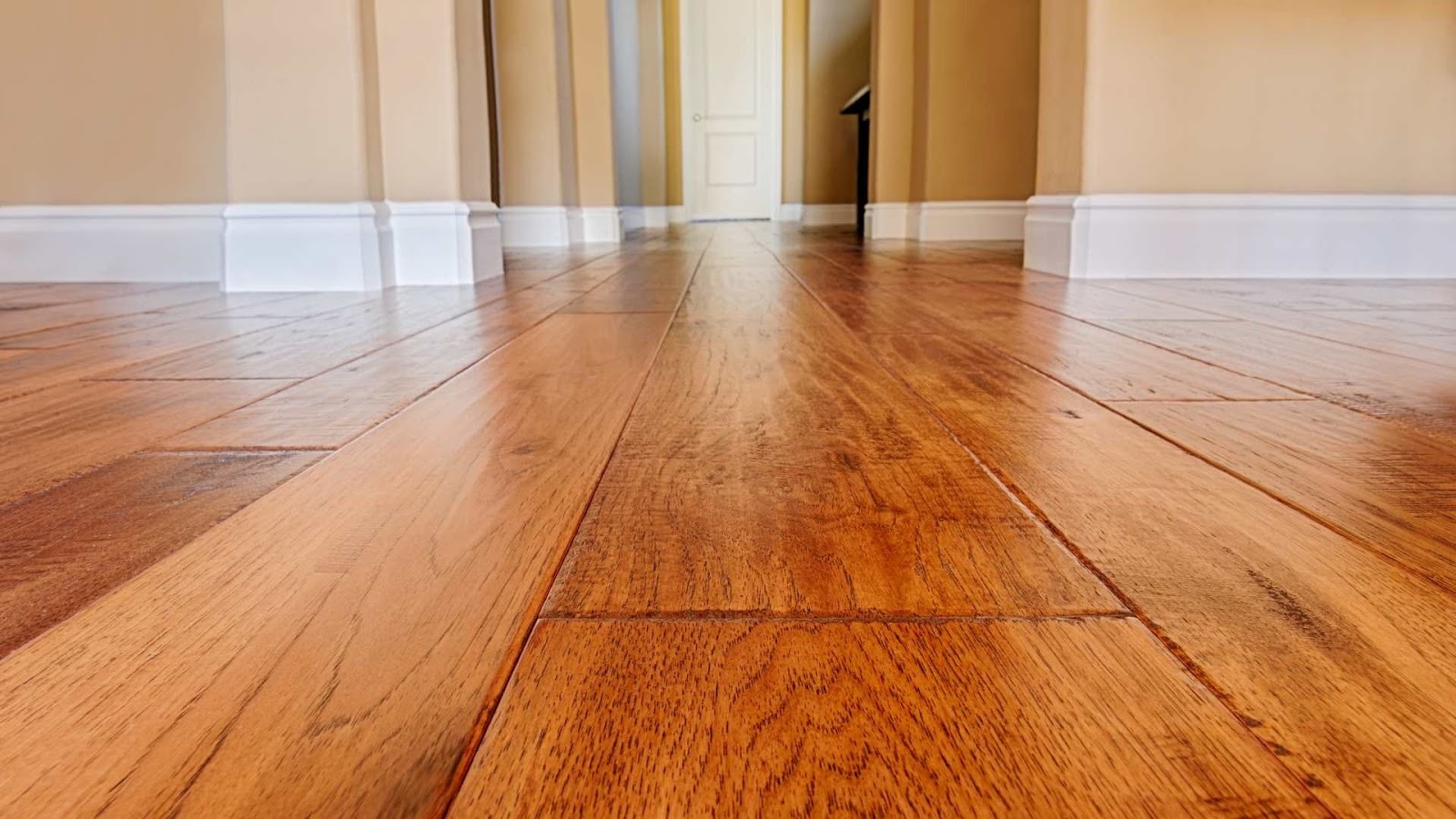
How Flooring Inspectors Evaluate Hardwood Floor Expansion Gaps
Professional flooring inspectors follow a systematic evaluation process rather than relying solely on visual appearance. They gather evidence through observations, measurements, and testing to determine whether inadequate expansion space has contributed to a flooring problem.
1. Perform a Complete Visual Inspection
The inspection begins with a thorough walkthrough of the installation. Inspectors look for visible signs of movement or stress, including buckled flooring, tenting, cupping, crowning, compression marks along walls, baseboards that have shifted outward, gaps between boards, and irregular movement patterns. These observations help identify areas where the flooring may not have sufficient room to expand naturally.
2. Check Perimeter Expansion Gaps
After the initial assessment, inspectors verify whether adequate expansion gaps are present around the room’s perimeter. When accessible or authorized, they may inspect areas behind baseboards, quarter-round molding, or shoe molding.
They evaluate whether gaps are continuous, consistent in width, and free from obstructions such as trim, adhesive, or debris. Inspectors compare their findings with the manufacturer’s installation requirements, as expansion provisions vary by flooring type, plank width, installation method, room size, and environmental conditions.
Related Articles:
- What Causes Hardwood Floors to Buckle and How to Identify Them
- How to Check for Moisture in Concrete Floor
- Installation Errors vs. Manufacturing Defects: How Flooring Inspectors Determine the Cause
Factors Inspectors Consider Beyond the Expansion Gap
Expansion gaps are only one part of a hardwood flooring inspection. To determine the true cause of movement or failure, professional flooring inspectors also evaluate moisture conditions, installation practices, and the condition of the subfloor.
1. Environmental and Moisture Conditions
Inspectors measure indoor humidity and moisture levels in both the hardwood and subfloor. They also look for moisture sources such as plumbing leaks, damp crawlspaces, concrete slab moisture, or water intrusion to determine whether environmental conditions contributed to the problem.
2. Acclimation Before Installation
Inspectors check whether the hardwood was properly acclimated before installation. Poor acclimation can lead to cupping, buckling, shrinkage, or gaps, even if the expansion gaps are correctly installed.
3. Installation Method
The installation method, floating, glue-down, nail-down, or staple-down, affects how the floor handles seasonal movement. Inspectors verify that the installation follows manufacturer guidelines and allows for normal expansion and contraction.
4. Subfloor Condition
The subfloor is inspected for flatness, structural stability, and moisture issues. Problems with the subfloor can create symptoms that resemble expansion-related failures, making this an important part of the inspection process.
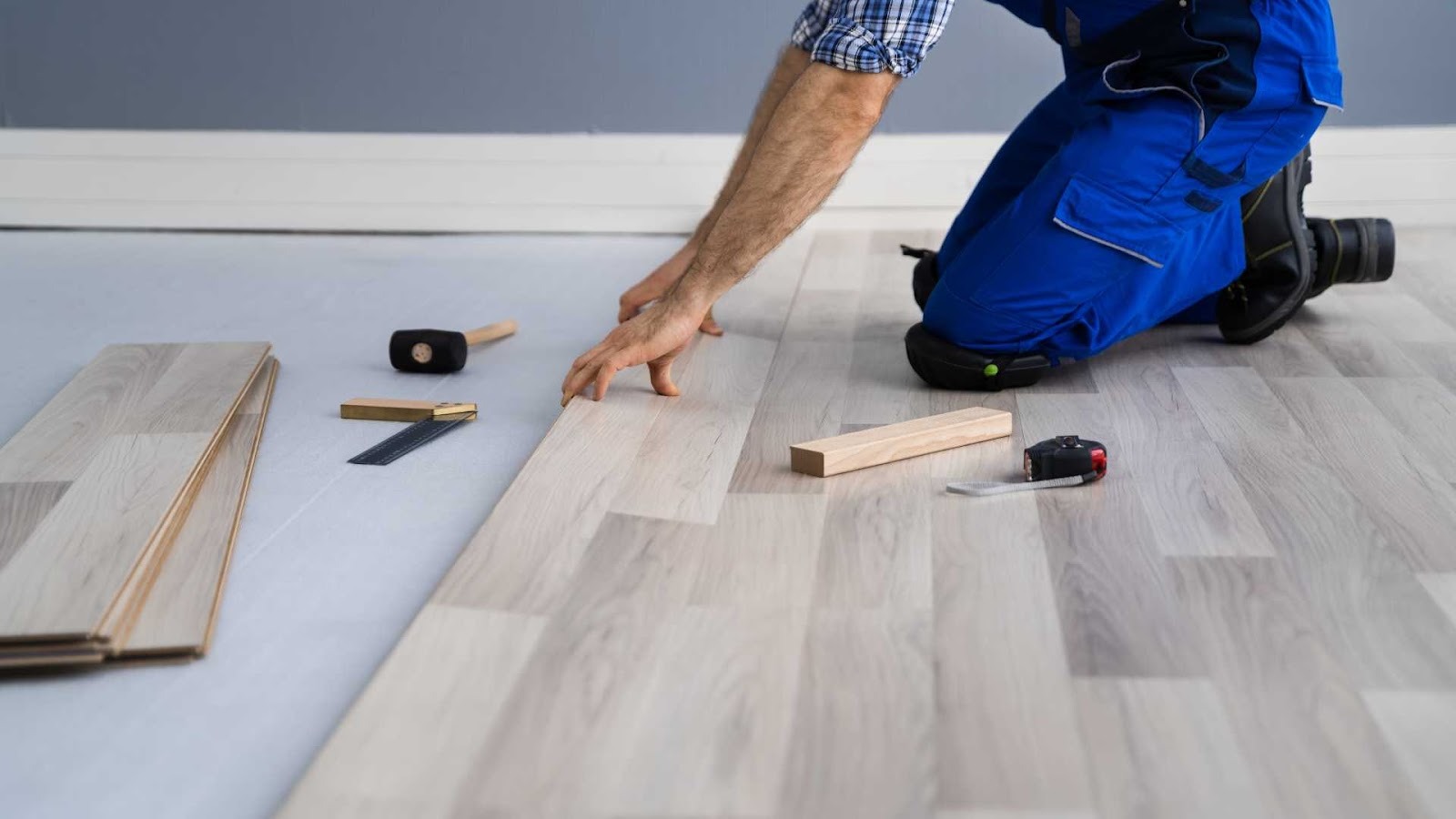
How Inspectors Determine the Cause of Floor Movement
Not every raised hardwood floor is caused by missing expansion gaps. Experienced flooring inspectors consider several possible causes before reaching a conclusion. They investigate factors such as:
- Water leaks
- Plumbing failures
- Excessive indoor humidity
- Improper acclimation
- Subfloor moisture
- Installation errors
- Structural movement
- Manufacturing defects
Only after evaluating all available evidence can an inspector determine whether inadequate expansion space contributed to the problem. This objective approach is what separates professional inspections from simple visual observations.
Tools Flooring Inspectors Use
Professional hardwood floor inspections typically involve several specialized tools to collect accurate measurements and document findings. Common equipment includes:
- Moisture meters
- Hygrometers
- Tape measures
- Straightedges
- Feeler gauges
- Flashlights
- Inspection mirrors
- Digital cameras
- Documentation forms
Measurements and photographs are recorded throughout the inspection to support the final report.
Learn Hardwood Flooring Inspection Through Hands-On Training
Evaluating hardwood floor expansion gaps requires more than knowing the recommended installation practices. Inspectors must be able to recognize movement patterns, perform moisture testing, assess subfloor conditions, document findings accurately, and distinguish installation issues from moisture-related failures.
For flooring professionals who want to develop these practical skills, IFCII (Institute for Floor Covering Inspectors International) offers hands-on training as part of its Carpet and Hard Surface Inspector Certification program.
Students gain experience inspecting hardwood, laminate, resilient, and carpet flooring, performing field tests, examining real-world flooring failures, and practicing professional inspection report writing.
For experienced inspectors looking to expand their expertise, IFCII also offers Advanced Flooring Inspector Training that covers more complex inspection techniques and flooring failure analysis. This type of practical education helps inspectors apply industry best practices confidently when evaluating hardwood flooring installations and documenting their findings.
Industry Standards and Manufacturer Guidelines
Expansion gap evaluation is not based on guesswork. Professional flooring inspectors compare the installation with the flooring manufacturer’s published installation instructions and recognized industry standards.
Depending on the inspection, this may include the National Wood Flooring Association (NWFA) Installation Guidelines and applicable ASTM standards related to moisture testing and jobsite conditions. These references help inspectors evaluate whether accepted installation practices were followed while considering the specific flooring product and installation method.
Manufacturer installation instructions generally take precedence because expansion gap requirements vary between solid hardwood and engineered hardwood products, plank widths, installation methods, and room dimensions. Following the manufacturer’s requirements is also essential for maintaining warranty compliance.
Frequently Asked Questions
Q1. How large should a hardwood floor expansion gap be?
There is no universal expansion gap size. Most manufacturers specify expansion gaps ranging from approximately 1/4 inch to 3/4 inch, depending on plank width, flooring type, room dimensions, and installation method. Flooring inspectors typically verify the manufacturer’s published requirements when available before determining compliance.
Q2. Can a missing expansion gap cause hardwood floors to buckle?
Yes. When hardwood flooring cannot expand naturally, pressure may build until boards lift, buckle, or tent. However, inspectors also evaluate moisture conditions and installation quality before determining the primary cause.
Q3. Do engineered hardwood floors need expansion gaps?
Yes. Although engineered hardwood is generally more dimensionally stable than solid hardwood, manufacturers still require expansion gaps to accommodate normal seasonal movement.
Q4. Do flooring inspectors remove flooring during an inspection?
Most flooring inspections are non-destructive. Inspectors typically use visual evaluation, measurements, moisture testing, and documentation to assess the flooring condition. If concealed issues require further evaluation, limited invasive testing may be recommended with proper authorization or as defined by the inspection scope.