
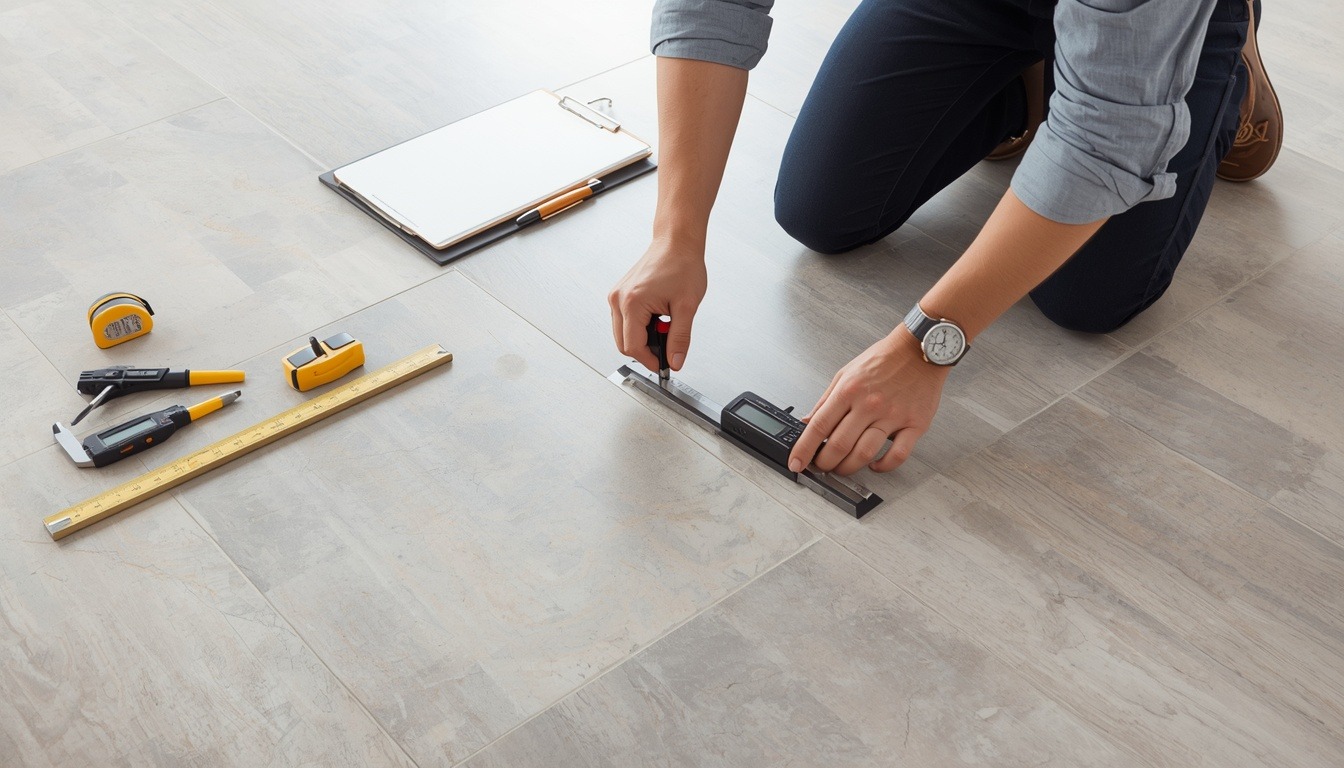
A flooring problem can appear weeks, months, or even years after installation, making the original cause difficult to identify. Gaps, buckling, cupping, shrinking, or other changes can result from several factors, including moisture, temperature, humidity, storage conditions, material handling, or installation practices. A flooring investigation therefore needs to look beyond the visible damage and examine the conditions surrounding the installation. This is where acclimation records can help. They document how the flooring was stored and conditioned before installation, including factors such as temperature, humidity, and the length of the acclimation period. During an investigation, an inspector can review these records to see whether the documented conditions aligned with the flooring manufacturer’s requirements. This information can help identify or rule out potential contributing factors and provide a clearer timeline of how the flooring was handled before installation. 
What Are Acclimation Records?
Acclimation records document the conditions and timeframe under which flooring materials were allowed to adjust to the jobsite environment before installation. Depending on the flooring type and manufacturer’s requirements, records may include information such as:
- Delivery date and material details
- Storage location and conditions
- Temperature and relative humidity
- Acclimation start and end dates
- Jobsite environmental conditions
- Installation date
- Moisture readings when applicable
The specific requirements can vary by flooring product, manufacturer, and installation method. Keeping accurate records helps create a documented history of the material before installation. Tip: Curious what tools professional inspectors rely on for accurate, non-destructive measurements? See the essential tools used by flooring inspectors to understand how experts assess conditions like expansion clearance.
Why Acclimation Records Are Important in Flooring Investigations
When flooring develops problems, an inspector needs to consider multiple possible causes. Acclimation records can help establish what happened before the flooring was installed.
1. They Document Pre-Installation Conditions
Temperature and humidity can influence certain flooring materials. Acclimation records provide documentation of the environmental conditions before installation rather than relying only on conditions observed during an inspection. This information can help an inspector compare the actual conditions with the product manufacturer’s installation requirements.
2. They Help Evaluate Installation Preparation
Proper preparation is an important part of flooring installation. Records can show how long the material remained at the jobsite and under what conditions. If a flooring issue develops later, these details can help determine whether the material received the preparation specified by the manufacturer.
3. They Provide Evidence During a Flooring Claim
Flooring disputes often involve questions about how the material was handled before installation. Written records can provide supporting evidence about delivery, storage, acclimation, and installation conditions. Without documentation, an investigation may have to rely more heavily on interviews, photographs, current conditions, and other available evidence. 
4. They Help Identify Possible Contributing Factors
Flooring failures rarely have a single obvious cause. An investigation may consider the flooring product, subfloor, moisture conditions, installation methods, environmental conditions, and maintenance history. Acclimation records add another piece of information to this process and can help an inspector evaluate whether pre-installation conditions may have contributed to the observed problem.
What Should Acclimation Records Include?
The information needed depends on the flooring product and manufacturer’s instructions. Keeping these details documented helps show how the material was handled and conditioned before installation. Useful records may include:
- Product name and type
- Lot or batch information
- Delivery date
- Acclimation location
- Temperature readings
- Relative humidity readings
- Date acclimation began
- Date acclimation ended
- Installation date
- Installer information
- Relevant moisture test results
Photos can also help document storage conditions, material placement, and other relevant jobsite details.
How Inspectors Use Acclimation Records
During a flooring investigation, an inspector may compare the records with the flooring manufacturer’s installation requirements and other evidence collected from the site. For example, if a claim involves dimensional changes, gaps, buckling, or other visible problems, the inspector may review environmental conditions and installation history as part of the overall assessment. Acclimation records do not automatically establish the cause of a flooring failure. Instead, they provide documented information that can be evaluated alongside physical observations, testing, installation details, and manufacturer specifications.
What Flooring Problems May Require a Review of Acclimation Records?
Acclimation documentation can be relevant when investigating several types of flooring complaints.
1. Gaps Between Flooring
Gaps can develop for different reasons, depending on the flooring material and installation. An investigation may consider environmental changes, installation practices, material characteristics, and other factors. Acclimation records can provide information about the conditions surrounding the material before installation. 
2. Cupping and Crowning
Cupping and crowning are commonly associated with dimensional changes in flooring materials. When these conditions are reported, an inspector may examine moisture, humidity, installation, and environmental history. Acclimation records can add another part of that history.
3. Buckling and Movement
Buckling or movement can involve multiple potential factors, including moisture, expansion, installation clearances, substrate conditions, and environmental changes. Records showing how the flooring was stored and conditioned before installation may be reviewed alongside physical evidence from the site.
4. Shrinkage or Dimensional Changes
Changes in environmental conditions can affect the dimensions of some flooring materials. When shrinkage or other dimensional changes are reported, documentation from before installation can help establish the conditions the material experienced. Related Articles: Flooring Inspector vs Expert Witness: What’s the Difference Why Flooring Inspectors Need to Learn Field Testing Techniques Certified vs. Non-Certified Flooring Inspectors: What Is the Difference?
Have a Flooring Issue That Needs Investigation?
A flooring problem can require more than a visual assessment. IFCII can help you find a Certified Flooring Inspector who can evaluate flooring concerns and provide professional inspection and report-writing services. IFCII Certified Flooring Inspectors are available throughout the USA, Canada, and the UK, covering flooring types such as carpet, hardwood, laminate, bamboo, luxury vinyl, and ceramic tile. Inspectors are available to homeowners, insurance companies, attorneys, contractors, flooring installers, retailers, manufacturers, and distributors. Find a Certified Flooring Inspector through the IFCII Inspector Search or call (678) 595-5446 for more information. 
What Happens When There Are No Acclimation Records?
If acclimation records are not available, it does not automatically mean the flooring was improperly acclimated. However, it can make the investigation more difficult because there may be less information about the conditions before installation. In this situation, an inspector may review other available evidence, such as manufacturer instructions, installation photos, delivery records, moisture test results, installer information, and the current condition of the flooring and subfloor. Looking at all of this information together can help provide a clearer picture of what happened before and during installation.
Keep Detailed Records Before Flooring Installation
Acclimation documentation can become valuable when questions arise about flooring performance. Recording product information, environmental conditions, storage practices, and acclimation periods creates a clearer record of the installation process. For flooring professionals, contractors, and property owners, following the manufacturer’s requirements and maintaining accurate documentation can make it easier to evaluate problems if they occur later. When a flooring claim requires professional evaluation, an independent flooring inspector can review the available documentation and physical conditions as part of a broader flooring investigation.
Conclusion
Acclimation records can provide valuable information when investigating flooring problems. They document how materials were stored and conditioned before installation, giving inspectors a clearer view of the conditions involved. When reviewed alongside manufacturer requirements, site conditions, moisture testing, and installation details, these records can help identify potential contributing factors and support a more complete flooring investigation.
Frequently Asked Questions
Q1. Does laminate flooring need to acclimate?
Laminate flooring may need to acclimate before installation, depending on the product and manufacturer. Always follow the manufacturer’s instructions for required conditions, timing, and preparation.
Q2. How long does laminate flooring need to acclimate?
The required acclimation period for laminate flooring varies by product and manufacturer. Check the installation instructions for the recommended temperature, humidity, storage conditions, and acclimation time.
Q3. Does vinyl flooring need to acclimate?
Some vinyl flooring products may require acclimation before installation, while others have different preparation requirements. Always check the manufacturer’s instructions for the specific flooring product.
Q4. Does engineered flooring need to acclimate?
Engineered flooring may require acclimation before installation, depending on the product and manufacturer. Follow the manufacturer’s requirements for storage, environmental conditions, and the recommended acclimation period.
Q5. How long does hardwood flooring need to acclimate?
Hardwood flooring acclimation time varies based on the species, product, manufacturer, and jobsite conditions. Follow the manufacturer’s instructions for the appropriate acclimation period before installation.