
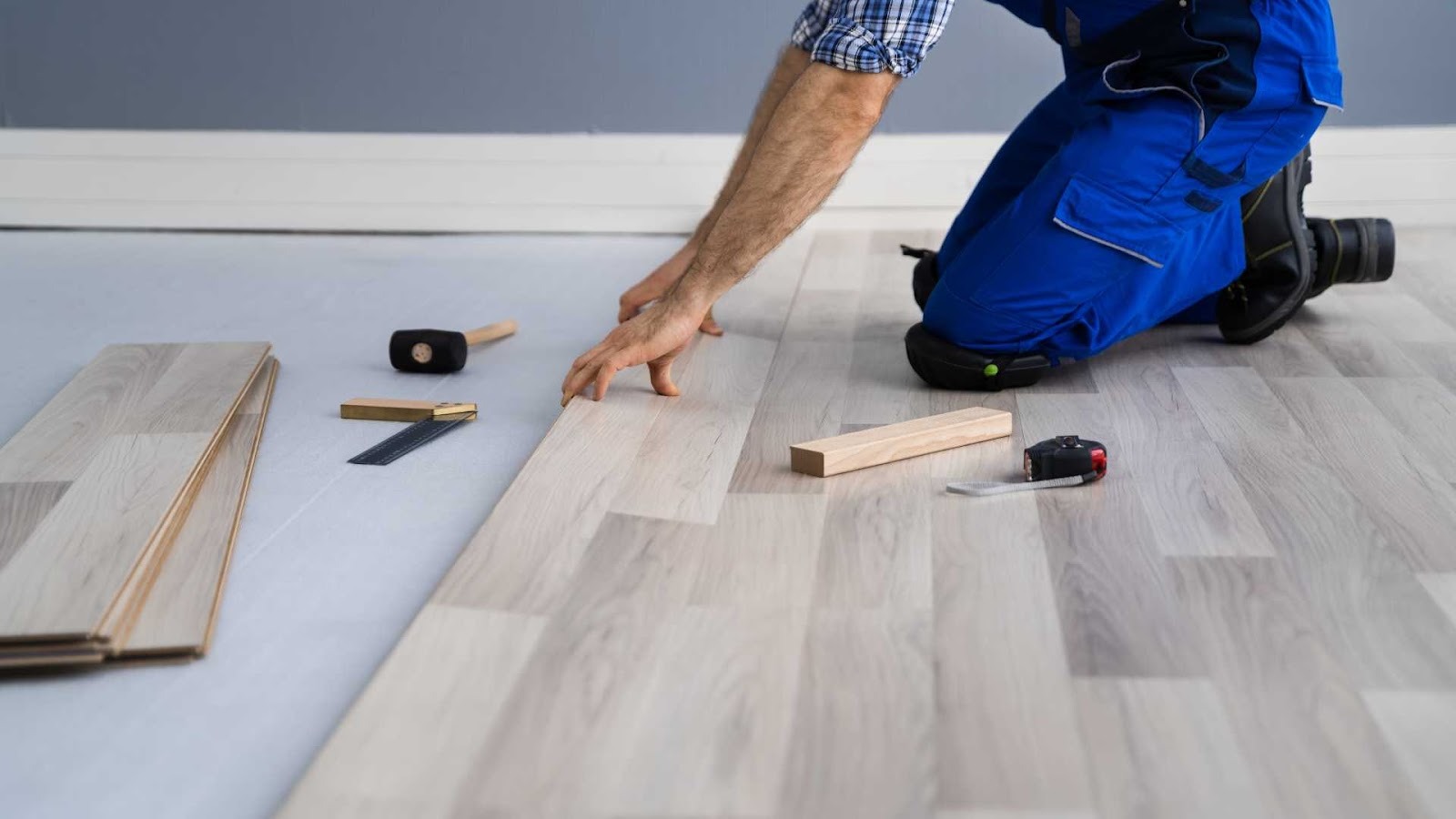
Flooring problems can become more complicated when they involve a warranty, insurance claim, installation dispute, or disagreement about what caused the damage. A flooring issue may appear straightforward, but determining the underlying cause often requires more than a visual assessment.
A professional flooring inspector can examine the flooring, installation conditions, surrounding environment, and available documentation to document the observed conditions and evaluate factors that may have contributed to the reported problem. An inspection can also provide written documentation that may be useful when a flooring claim needs technical support.
But what types of flooring claims may benefit from a professional inspection?
Common Flooring Claims That May Require Professional Inspection
Different flooring claims can involve installation, warranties, moisture, insurance, product defects, contractor disputes, damage, and flooring failures. The following sections explain when professional inspection may help document these concerns.
1. Flooring Installation Claims
Installation claims may arise when flooring develops problems after installation or does not perform as expected. Common concerns can include gaps, buckling, uneven surfaces, loose tiles, excessive lippage, or adhesive problems.
A certified flooring inspector can examine the affected areas and document relevant conditions, including the substrate, installation methods, moisture conditions, and other factors that may be connected to the reported problem.
2. Flooring Warranty Claims
Warranty claims may involve premature wear, cracking, discoloration, finish problems, or other unexpected flooring conditions. The main question may be whether the issue is related to the product or another factor, such as installation errors or manufacturing defects.
An inspection can document the flooring condition and provide technical observations that may help clarify the circumstances surrounding the warranty claim. Available product and installation documentation can also provide useful context for the inspection.
3. Water and Moisture Damage Claims
Water and moisture can cause a range of flooring problems. Depending on the material and flooring system, reported conditions may include:
- Swelling, warping, or buckling
- Staining or discoloration
- Delamination or adhesive failure
- Loose or lifted flooring
These problems may result from leaks, flooding, moisture migration, or other sources. A professional inspector can document the affected areas and examine relevant flooring and substrate conditions to provide a clearer record of the reported moisture-related problem.
4. Flooring Insurance Claims
Flooring damage may become part of an insurance claim following a leak, flood, fire, storm, or other incident. Documentation can be important when there are questions about the condition or extent of the flooring damage.
A certified flooring inspector can document observed conditions through photographs, measurements where appropriate, and technical observations. The inspection focuses on the flooring condition and does not determine insurance coverage or claim approval.
5. Suspected Product Defect Claims
A property owner may suspect a flooring product is defective when unusual cracking, premature wear, discoloration, or other problems appear. However, the visible condition alone may not establish the cause.
A professional inspection can evaluate the reported condition while considering factors such as the product, installation, substrate, environment, use, and maintenance. This can help distinguish the observed condition from assumptions about its cause.
6. Contractor and Installation Disputes
Disagreements between property owners and flooring contractors may involve workmanship, installation methods, materials, or substrate preparation. One party may attribute the problem to installation, while another may identify a different potential cause.
An independent flooring inspection can document the existing conditions and provide technical findings that help the parties better understand the flooring concerns involved in the dispute.
7. Flooring Damage Claims
Flooring can be damaged by impacts, furniture, moving equipment, water exposure, construction activity, or other events. A claim may involve questions about the location, nature, or extent of the reported damage.
A professional inspector can document details such as:
- Where the reported damage is located
- The characteristics and extent of the visible condition
- Conditions surrounding the affected flooring
- Other relevant observations within the inspection scope
This documentation can provide useful technical information when the nature or extent of the flooring damage is disputed.
8. Flooring Failure Claims
Flooring failure claims involve flooring that has developed persistent or substantial problems or is not performing as expected. Examples of reported failure conditions may include:
- Cracking, breaking, or separation
- Buckling, lifting, or excessive movement
- Tile debonding or premature deterioration
- Recurring gaps or other performance issues
Because flooring failure can have multiple contributing factors, a professional inspector can examine the affected areas and document the conditions observed. Relevant product, installation, substrate, and environmental information may also be considered within the scope of the inspection.
Tip: To learn more about the equipment used during professional flooring evaluations, read our guide on Essential Tools Used by Flooring Inspectors.
Signs That a Flooring Claim May Need an Inspection
Some flooring concerns can be addressed directly with an installer, retailer, or manufacturer. However, certain situations may indicate that a professional inspection would be useful for documenting the condition and evaluating factors related to the reported problem.
1. The Cause of the Problem Is Unclear
When the visible flooring condition does not clearly explain why the problem occurred, an inspection can help document the affected areas and evaluate relevant factors such as installation, substrate, moisture, environmental conditions, or product characteristics.
2. Different Parties Disagree About the Cause
A flooring claim may involve a property owner, installer, contractor, manufacturer, or insurer. If the parties have different explanations for the reported problem, an independent inspection can provide documented technical observations for consideration.
3. The Problem Keeps Returning
Recurring gaps, buckling, cracking, movement, debonding, or other flooring problems may indicate that an underlying condition has not been addressed. Documenting the recurring issue can be useful when evaluating the circumstances surrounding the claim.
4. The Damage Is Extensive or Widespread
When a flooring problem affects multiple rooms, large areas, or different sections of the flooring system, a professional inspection can help document the location, pattern, and extent of the reported conditions.
5. Technical Documentation Is Needed
An inspection may also be appropriate when a flooring claim requires photographs, measurements, written observations, or other technical documentation. This information can help establish a clearer record of the flooring conditions observed during the inspection.
Why Documentation Is Important in a Flooring Claim
A flooring claim can involve multiple parties with different views about the same problem. Clear documentation helps distinguish observed conditions from assumptions about their cause.
A professional flooring inspection report can document the location and characteristics of the reported condition, along with other relevant observations. Depending on the assignment, additional testing or expert analysis may also be needed.
The inspection report documents findings within its defined scope and does not automatically determine the outcome of an insurance, warranty, or legal claim.
Related Articles:
Flooring Inspector vs Expert Witness: What’s the Difference
Why Flooring Inspectors Need to Learn Field Testing Techniques
Certified vs. Non-Certified Flooring Inspectors: What Is the Difference?
Discuss Your Flooring Inspection Needs
If you are dealing with a flooring warranty issue, insurance claim, installation dispute, property concern, or other flooring-related matter, a professional inspection may help document the conditions involved.
IFCII provides certification and training for flooring inspectors, helping professionals develop the knowledge and skills needed to conduct flooring inspections and prepare inspection reports.
Contact IFCII at 678-595-5446 to learn more about flooring inspection certification and professional training.
Final Thoughts
Flooring claims can involve questions about installation, product performance, moisture, damage, or other contributing conditions. When the cause is unclear or the claim involves a dispute, a professional flooring inspection can provide documented observations and technical information to help clarify the reported concern.