
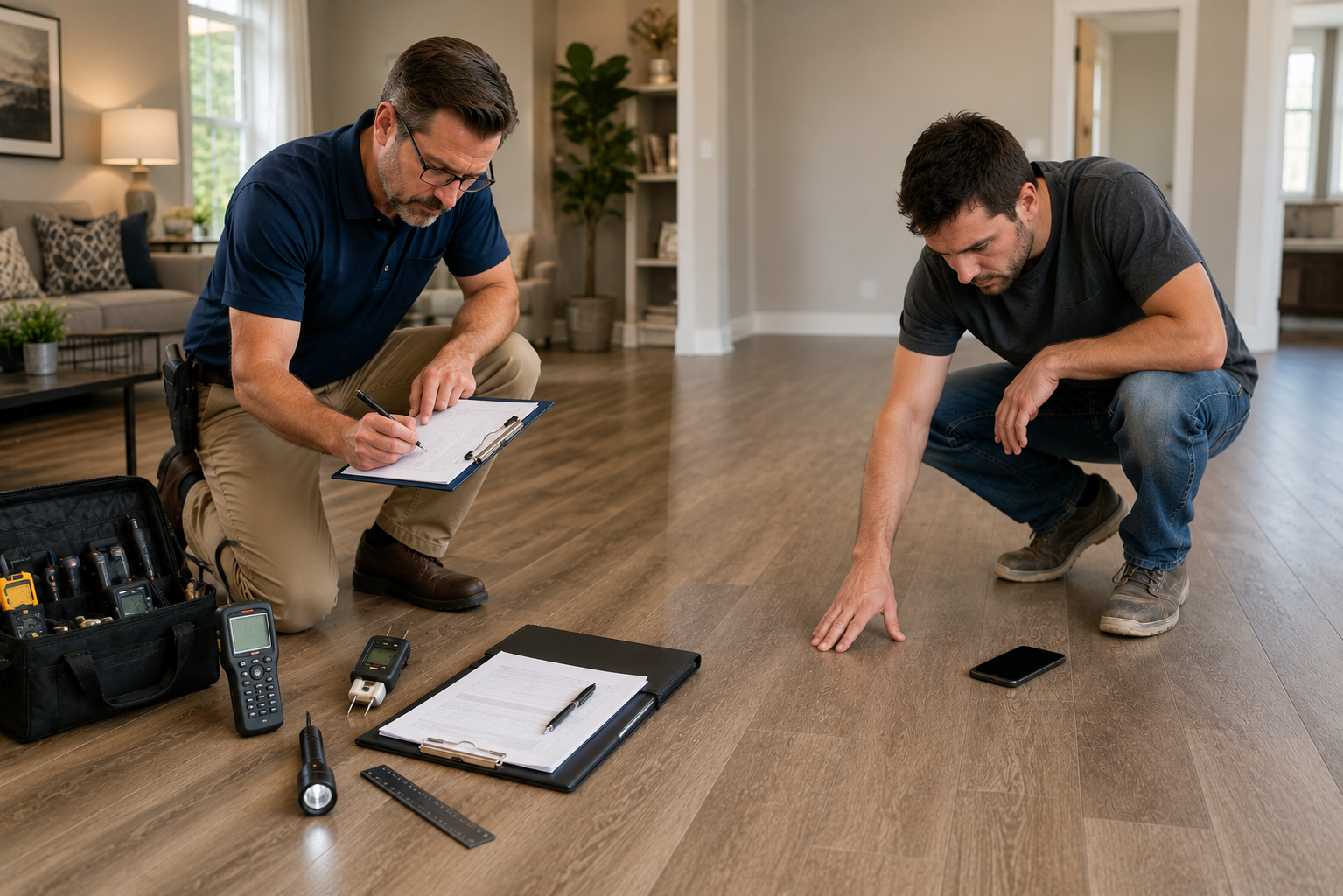
When something goes wrong with a flooring installation, it is not always easy to identify the real cause. Is the flooring defective? Was it installed incorrectly? Was the subfloor not prepared properly? Or did the flooring fail because of moisture, movement, or another environmental condition? A professional flooring inspection can help answer these questions. But there is an important factor to consider when choosing an inspector: Is the flooring inspector certified? A certified flooring inspector has the education and training to evaluate flooring problems using established inspection methods. A non-certified individual may have experience in flooring, but that does not necessarily mean they have formal training in conducting professional flooring inspections. If you are considering becoming a flooring inspector, understanding this difference is an important first step. 
What Is a Certified Flooring Inspector?
A certified flooring inspector is a professional who has completed specialized education and met the requirements of a flooring inspection certification program. Certification shows that the inspector has studied the principles and practices involved in evaluating flooring conditions. A certified inspector understands that an inspection is more than simply looking at a damaged floor. It involves examining the flooring, considering the surrounding conditions, gathering information, and evaluating possible causes. For example, if a hardwood floor is buckling, a certified inspector should not immediately assume that the flooring itself is defective. There may be several possible causes that need to be considered. Tip: Want to become a certified flooring inspector? Visit IFCII to learn more about our flooring inspector courses and find the training that’s right for you.
What Is a Non-Certified Flooring Inspector?
A non-certified flooring inspector is someone who may inspect flooring without holding a professional flooring inspection certification. This person may still have significant flooring knowledge or practical experience. They could be an installer, contractor, salesperson, or another flooring professional who has spent years working with different flooring products. That experience can certainly be valuable. However, experience with flooring does not automatically mean someone has received formal education in how to conduct a professional flooring inspection. This is one of the main differences between certified and non-certified inspectors.
Certified vs. Non-Certified Flooring Inspectors
| Certified Flooring Inspector | Non-Certified Flooring Inspector |
| Has completed a formal certification process | May rely primarily on industry experience |
| Has specialized flooring inspection training | May not have formal inspection training |
| Trained in structured inspection procedures and field testing | Inspection methods may depend on individual experience |
| Trained in flooring failure analysis | Approach to identifying causes may vary |
| Trained in inspection report writing | Reporting practices can vary |
| Holds a credential issued by a certifying organization | Has not completed that certification process |
| Follows a structured path for continued professional education | Continuing education depends on the individual |
Certification alone does not automatically make one inspector better than every non-certified professional; experience, knowledge, and objectivity matter just as much. However, certification does provide a structured pathway for developing and demonstrating specialized inspection knowledge.
Interested in Becoming a Certified Flooring Inspector?
If you are looking for a certified flooring inspection course, IFCII provides specialized training to help you build the knowledge and practical skills needed for professional flooring inspections. We offer different flooring inspector certification courses, including:
- Luxury Vinyl Flooring Inspection
- Carpet & Hard Surface Inspector Certification
- Advanced Flooring Inspector Training
- NALFA Laminated Flooring Inspector Training
IFCII provides training that combines hands-on inspections with classroom learning. Students examine defective and damaged flooring materials and practice step-by-step inspection procedures across different types of flooring. The training also covers the field tests that may be required during an inspection, with students getting the opportunity to practice performing these tests themselves. Students also learn the art of professional report writing and practice preparing clear, well-documented inspection reports based on their findings. Whether you are entering the flooring inspection field or want to expand your existing flooring knowledge, IFCII courses can help you develop practical inspection skills and work toward becoming an IFCII-Approved Certified Flooring Inspector. Read More: How Long Does It Take to Become a Certified Flooring Inspector? Pre-Class Study Requirements for Flooring Inspection Courses Essential Tools Used by Flooring Inspectors 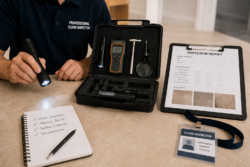
Can an Experienced Flooring Professional Become Certified?
Yes. In fact, people with flooring experience can benefit significantly from certification. Installers, contractors, flooring sales professionals, home inspectors, manufacturers, and other industry professionals may already understand many aspects of flooring. Certification can help build on that existing knowledge by adding inspection-specific skills. The goal is not to replace practical experience. Instead, it is to combine industry knowledge with professional inspection education. A non-certified inspector may have extensive hands-on flooring experience, but a certified inspector has also completed specialized education focused on the inspection process. A good flooring inspection requires more than identifying a visible problem. It requires understanding the flooring system, considering possible causes, evaluating the available evidence, and clearly documenting the findings. For anyone looking to become a flooring inspector, certification can be an important step toward developing those skills.