
Why Pre-Class Preparation Is Essential for Flooring Inspection Training
Flooring inspection is a technical, field-driven discipline, and most training programs move quickly, especially hands-on courses covering multiple flooring types in a short time. Without proper preparation, many students find it difficult to keep up with key concepts such as inspection protocols, identifying flooring defects, performing field testing procedures, and writing clear, professional inspection reports.
Core Pre-Class Study Requirements for Flooring Inspection Courses
Before attending a flooring inspection course, you should understand the key foundational areas, including basic flooring knowledge, industry terminology, inspection principles, moisture awareness, tools and equipment, installation standards, and basic report writing skills. This preparation helps you follow the course more easily and apply what you learn effectively.
1. Basic Flooring Knowledge
Start with a clear understanding of common flooring types and how they are constructed. Focus on carpet, hardwood, laminate, resilient flooring, and tile. Learn how each material is built, how it is installed, and where it is typically used. This knowledge allows you to recognize different flooring systems during inspections. 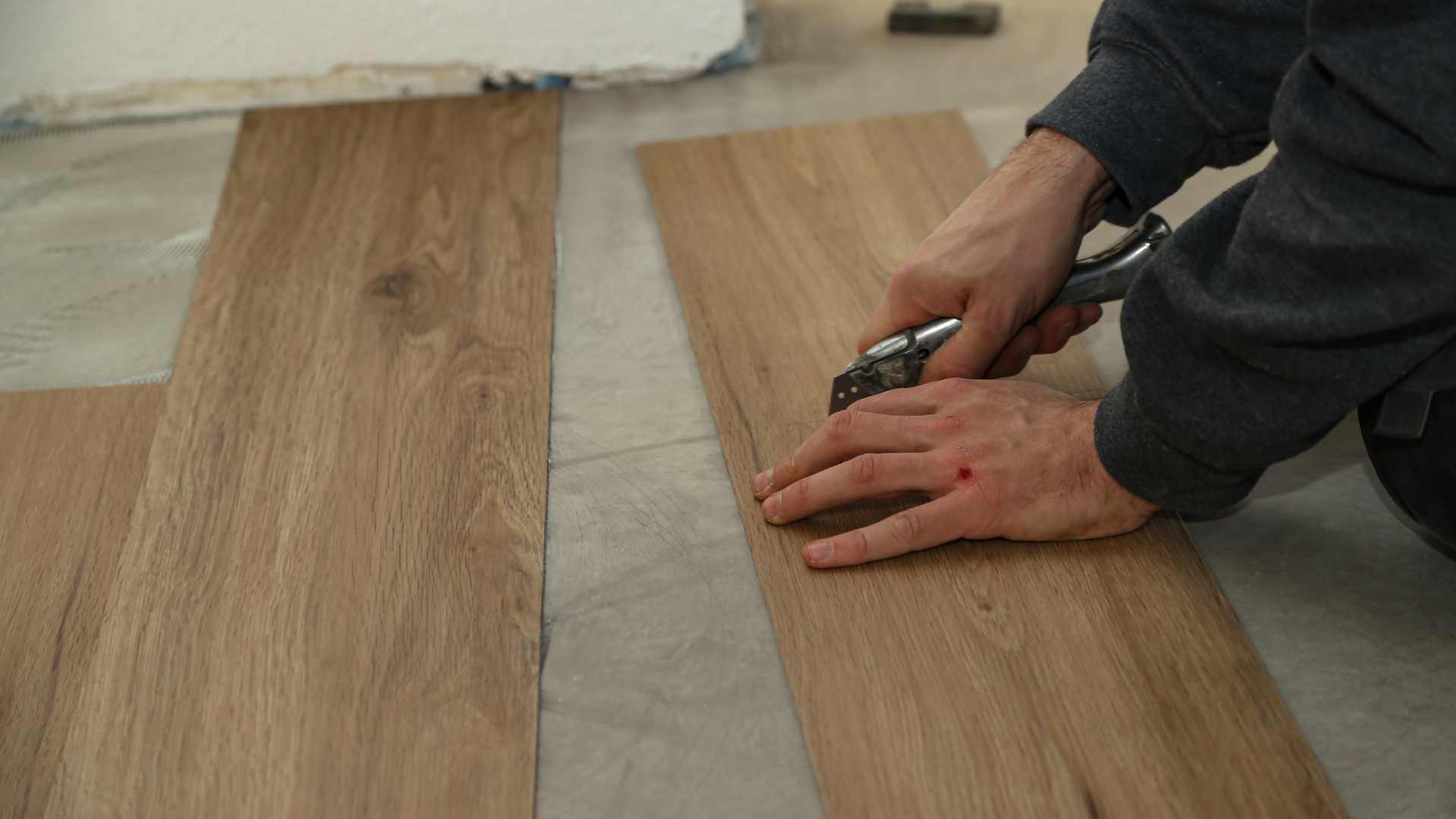
2. Flooring Terminology and Industry Language
Every flooring inspection course uses technical vocabulary, and knowing these terms in advance helps reduce confusion during training. You should become familiar with commonly used terms such as subfloor and underlayment, delamination (layer separation), moisture vapor emission rate (MVER, which measures moisture coming from concrete), acclimation (allowing materials to adjust to site conditions), adhesive failure, and expansion gaps. Understanding this terminology allows you to follow course instruction, interpret reports, and communicate findings accurately.
3. Introduction to Inspection Principles
Before attending class, you should understand how a flooring inspection is conducted. This includes observing visible conditions, gathering evidence, and determining whether an issue is caused by installation, material defects, or environmental factors. The goal of inspection is to identify the root cause of a problem, not just describe what is visible.
4. Moisture and Environmental Awareness
Moisture is one of the leading causes of flooring failures, as recognized by industry standards such as ASTM moisture testing guidelines and wood flooring recommendations from organizations like the National Wood Flooring Association (NWFA). Before attending class, you should understand how moisture affects materials such as wood, laminate, and concrete, along with key concepts like relative humidity (RH) and standardized testing methods, including moisture vapor emission rate (MVER) and in-situ RH testing. You should also be familiar with common subfloor moisture testing methods and how excess moisture leads to issues such as warping, adhesive breakdown, and delamination. This allows you to follow testing procedures and interpret results accurately during training.
5. Tools and Equipment Familiarity
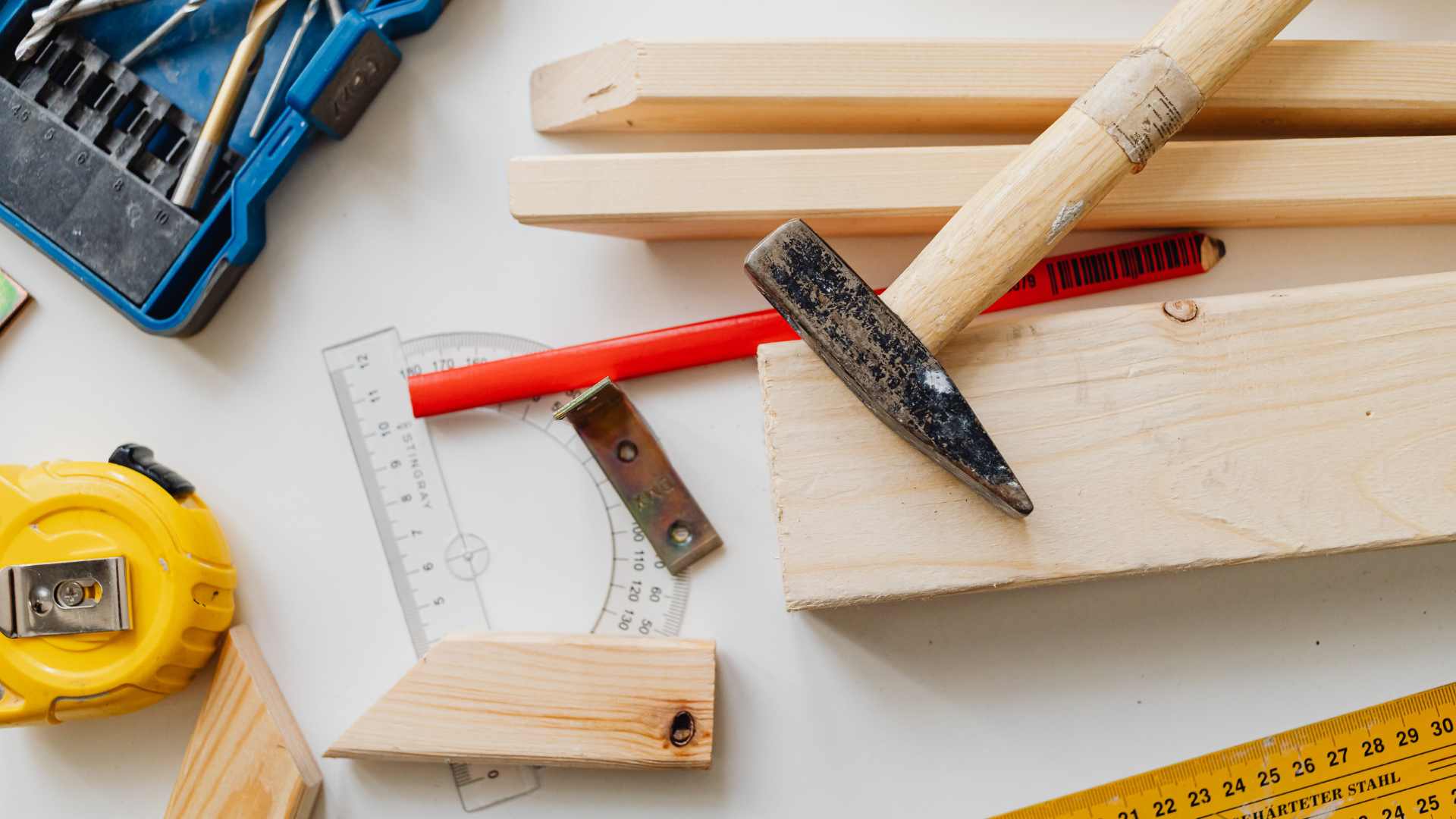
You do not need hands-on experience before attending a flooring inspection course, but you should be able to recognize commonly used tools and understand their purpose. These include moisture meters, hygrometers, straightedges, inspection lights, and thermo-hygrometers (tools that measure temperature and humidity). When you are familiar with what these tools do, you can focus directly on applying inspection techniques during training instead of figuring out what each tool does.
6. Installation Standards Overview
Flooring inspections often revolve around determining whether the installation meets accepted standards. Before attending a course, you should review manufacturer guidelines and recognized industry standards from organizations such as the NWFA (for wood flooring) and NALFA (for laminate flooring), along with subfloor preparation requirements and proper expansion and spacing rules. You do not need to memorize every detail, but it is important to understand that every inspection is evaluated against these standards, which form the basis for identifying installation-related issues.
7. Basic Report Writing Skills
Inspection courses typically include report-writing components. Arriving with basic writing skills gives you an advantage. Focus on:
- Writing clear, objective observations
- Avoiding assumptions or opinions
- Structuring findings logically
- Using concise technical language
These foundational topics directly connect to the core skills taught during training, such as inspection techniques, defect analysis, and report writing, which are covered in detail in this guide on the skills you’ll learn in a flooring inspector course. Tip: If you want to improve report writing, consider structured training programs that focus on inspection documentation standards. Institutions like IFCII are known for this type of training. You can also explore a practical course here: Online Report Writing Class.
Recommended Pre-Class Study Plan (7-Day Quick Prep)
If you are short on time, follow this structured 7-day preparation plan to cover all essential topics efficiently:
| Day | Focus Area | What to Do |
|---|---|---|
| Day 1–2 | Flooring Fundamentals | Review manufacturer websites for carpet, hardwood, laminate, vinyl, and tile. Study how each material is constructed and installed. |
| Day 3 | Terminology | Create a glossary of 15–20 key terms (e.g., MVER, delamination, acclimation) and write simple definitions in your own words. |
| Day 4 | Inspection Basics | Watch 2–3 flooring inspection videos or case examples. Observe how issues are identified and documented. |
| Day 5 | Moisture & Environment | Study RH, MVER, and moisture-related failures across wood, concrete, and laminate flooring. |
| Day 6 | Tools & Standards | Review common tools (moisture meter, hygrometer, straightedge) and read at least one manufacturer’s installation guideline. |
| Day 7 | Report Writing Practice | Write a short inspection summary based on a sample scenario (e.g., floor buckling). Focus on objective observations. |
This structured plan ensures you cover all essential pre-class study requirements in a clear and efficient way, helping you stay prepared for your flooring inspection training.
Choosing the Right Flooring Inspection Course
After completing your pre-class preparation, it is important to choose a course that matches your goals and experience level. A good flooring inspection course should include both theoretical knowledge and practical training across different flooring types, along with inspection methods and report writing. Some training providers, such as IFCII, offer a range of courses you can choose from:
When selecting a course, focus on programs that include hands-on learning, real-world inspection scenarios, and clear guidance on documentation. This helps ensure your preparation translates into practical, job-ready skills.
Tip: Choosing the right course ensures that your preparation translates into real, applicable skills. You can also explore how to select the right program in this detailed guide on choosing the best floor inspection certification course.
Common Mistakes to Avoid Before Starting a Course
Many beginners prepare inefficiently or focus on the wrong areas. Avoid these common mistakes:
- Focusing on advanced topics without understanding core flooring systems and installation basics
- Misidentifying installation issues as material defects (or vice versa)
- Ignoring environmental factors such as moisture and humidity when evaluating flooring problems
- Memorizing terminology without understanding how it applies during real inspections
- Writing subjective observations instead of clear, evidence-based findings
- Assuming the course will start from zero, and not preparing in advance
Flooring inspection training is practical and fast-paced, so your preparation should focus on understanding how materials behave, how failures occur, and how to document findings accurately. ‘‘Many of these challenges are similar to the real-world mistakes beginners make, which are explained in detail in this guide on common mistakes new floor inspectors make and how training helps avoid them.’’