
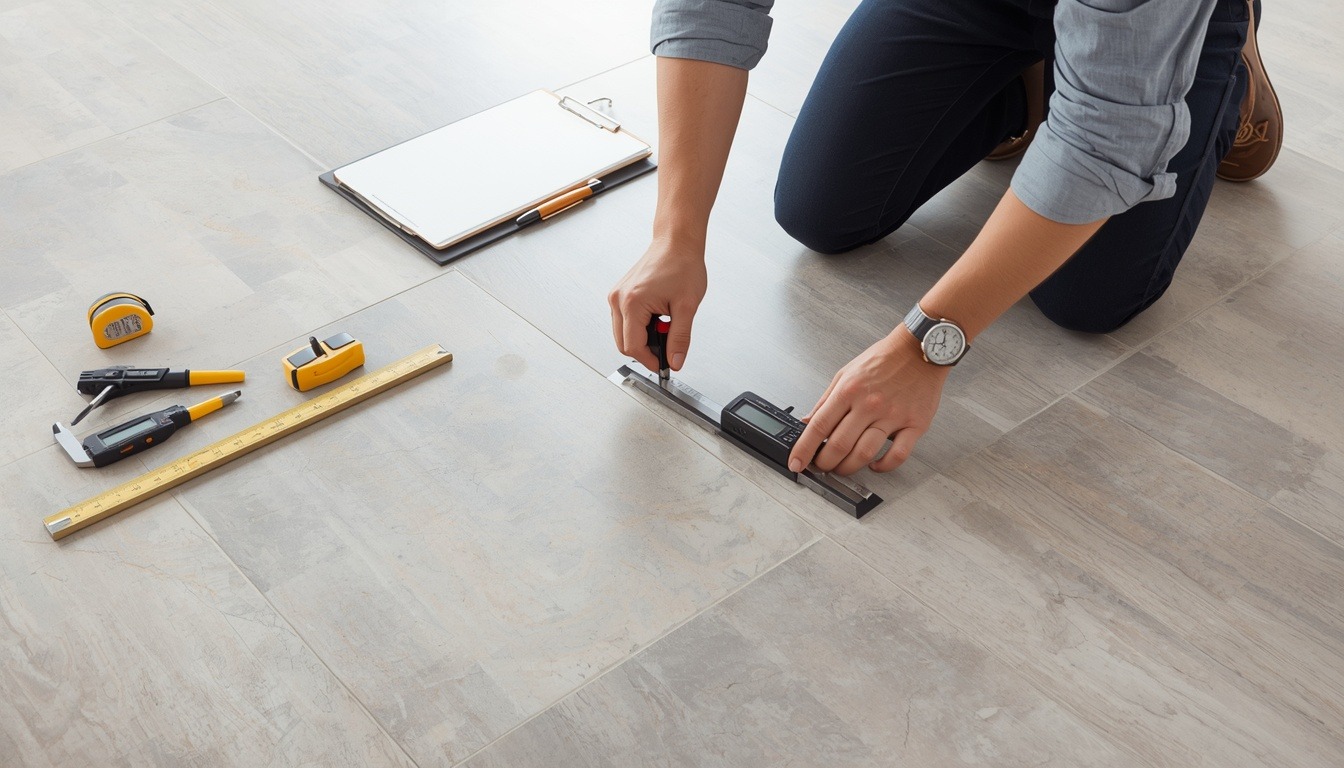
Tile lippage can affect the appearance, safety, and overall quality of a finished tile installation. Understanding how to measure tile lippage correctly is essential for flooring inspectors, tile installers, contractors, and anyone evaluating ceramic or porcelain tile floors.
Whether you’re investigating a customer complaint, performing a quality inspection, or verifying compliance with installation standards, accurate measurement is the first step toward an objective assessment. This guide explains the tools, methods, and best practices professionals use to evaluate tile lippage in the field.
What Is Tile Lippage?
Tile lippage is the vertical height difference between the edges of two adjacent tiles. Instead of forming a smooth transition, one tile edge projects above the neighboring tile, creating an uneven surface.
Some amount of lippage can occur naturally due to tile manufacturing tolerances, substrate irregularities, installation techniques, or tile warpage. The key is determining whether the measured lippage falls within acceptable industry standards.
Step-by-Step Process for Measuring Tile Lippage
Accurate tile lippage measurement requires more than simply running your hand across the floor. Professional inspectors use standardized measurement procedures and precision measuring tools.
Step 1: Visually Inspect the Floor
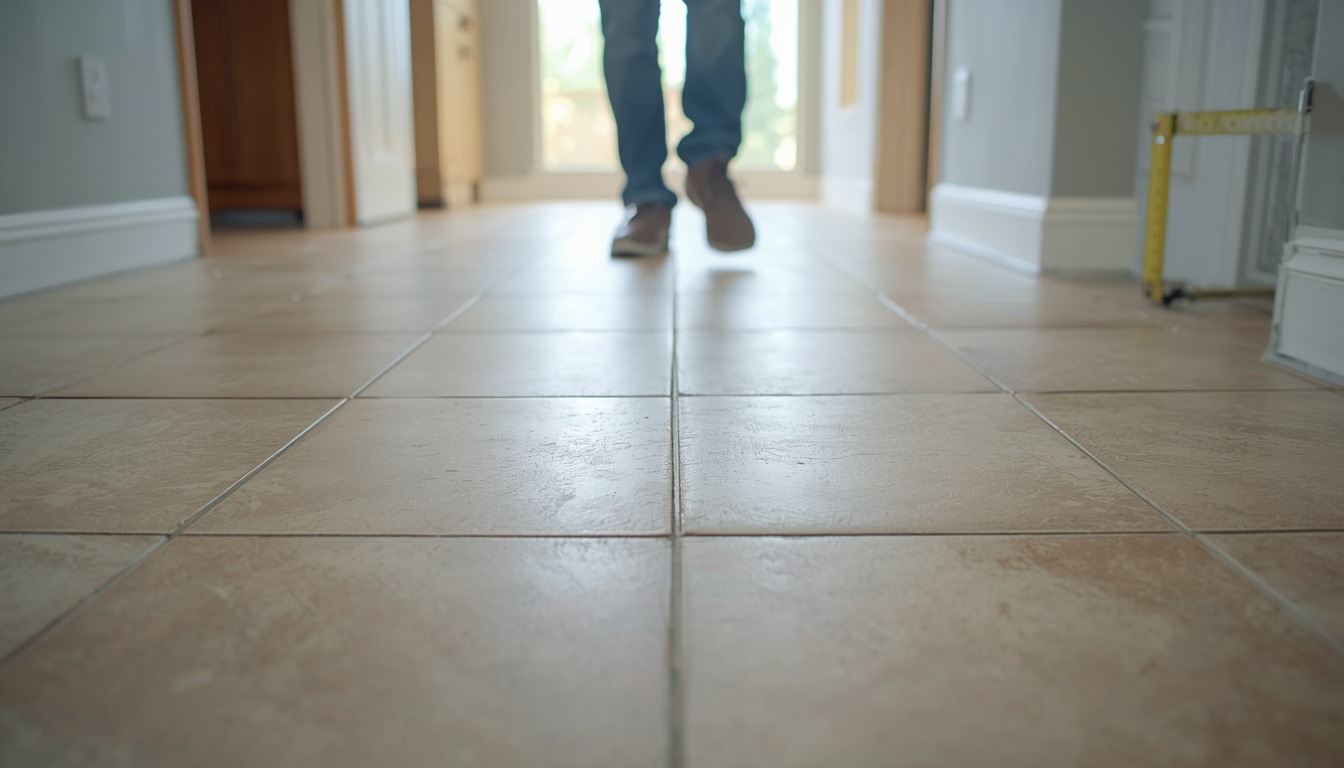
Before taking any measurements, walk the entire tile installation to identify areas where lippage appears most noticeable. Pay close attention to doorways, high-traffic areas, transitions between rooms, long tile runs, and sections exposed to direct lighting, as these locations often make height differences between adjacent tiles easier to detect.
If the property owner has reported specific problem areas, include those in your evaluation as well. Mark each location so it can be examined and measured carefully during the inspection.
Step 2: Use the Proper Measuring Tool
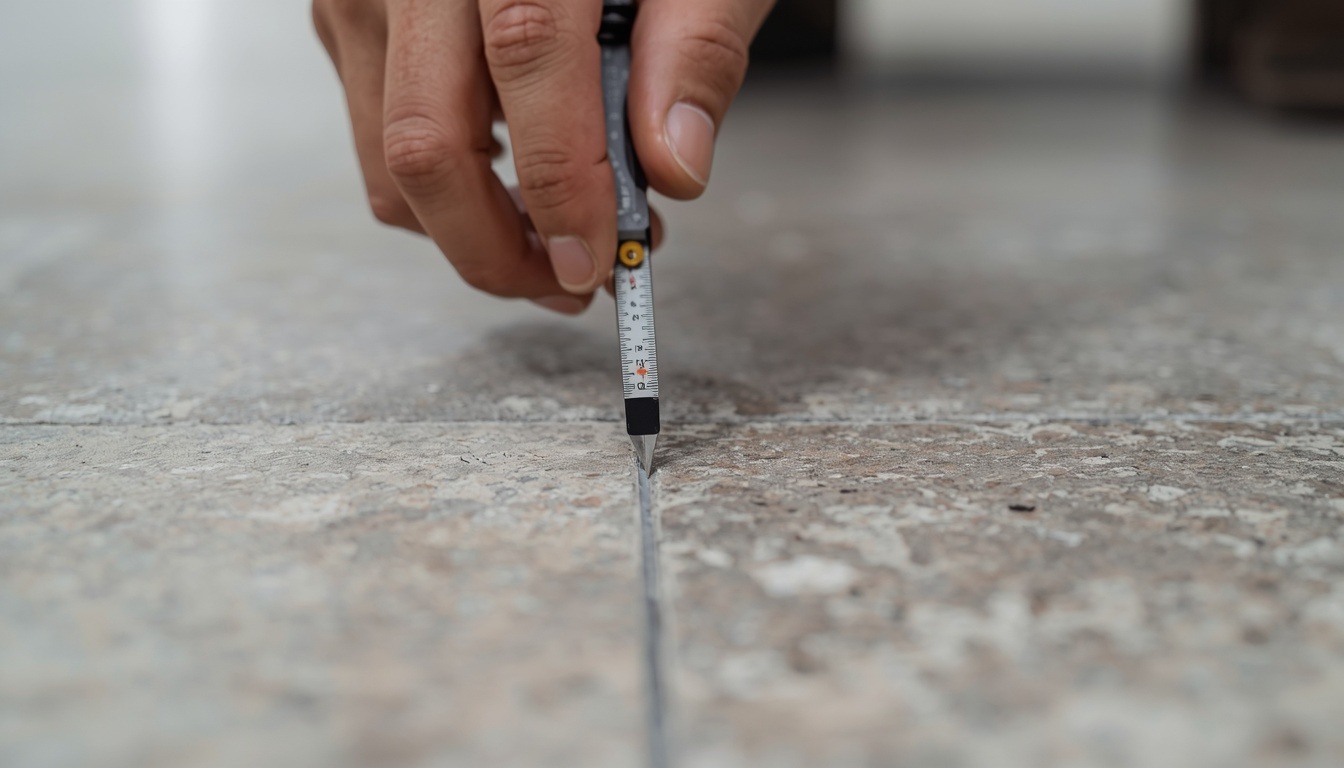
Use a precision measuring tool to obtain accurate and repeatable lippage measurements. Common options include a precision lippage gauge, digital calipers, a straightedge with feeler gauges, or other specialized tile inspection measuring devices. Regardless of the tool selected, it should provide consistent, objective readings rather than relying on visual estimation or the sense of touch.
While taking measurements, inspectors also consider whether tile warpage may contribute to the observed height differences. This helps distinguish between inherent manufacturing characteristics and installation-related lippage when interpreting the results.
Tip: To learn more about the equipment used during professional flooring evaluations, read our guide on Essential Tools Used by Flooring Inspectors.
Step 3: Measure Adjacent Tile Edges
Position the measuring tool directly across two neighboring tiles. Record the vertical height difference at the highest point where the two tile edges meet. Avoid measuring from the center of the tile because lippage is evaluated at adjoining edges. Take several readings throughout the installation instead of relying on a single measurement.
Step 4: Document Every Measurement
Accurate documentation is an essential part of any professional tile inspection. Record the exact location of each measurement, the measured lippage value, the tile size and installation pattern, and any relevant environmental conditions that could influence the evaluation.
Supporting photographs and notes about the substrate or visible installation conditions should also be included. Thorough documentation creates a clear record of the inspection and helps ensure the findings can be reviewed and interpreted objectively.
Factors That Affect Tile Lippage Measurements
Professional inspectors evaluate several factors that can affect the final lippage measurement, including tile size, tile warpage, installation pattern, subfloor flatness, and lighting conditions. Considering these variables helps ensure the measurement is accurate and interpreted correctly within the context of the overall installation.
- Tile Size: Large-format ceramic and porcelain tiles are more susceptible to visible lippage because even small height differences become easier to see over longer edges.
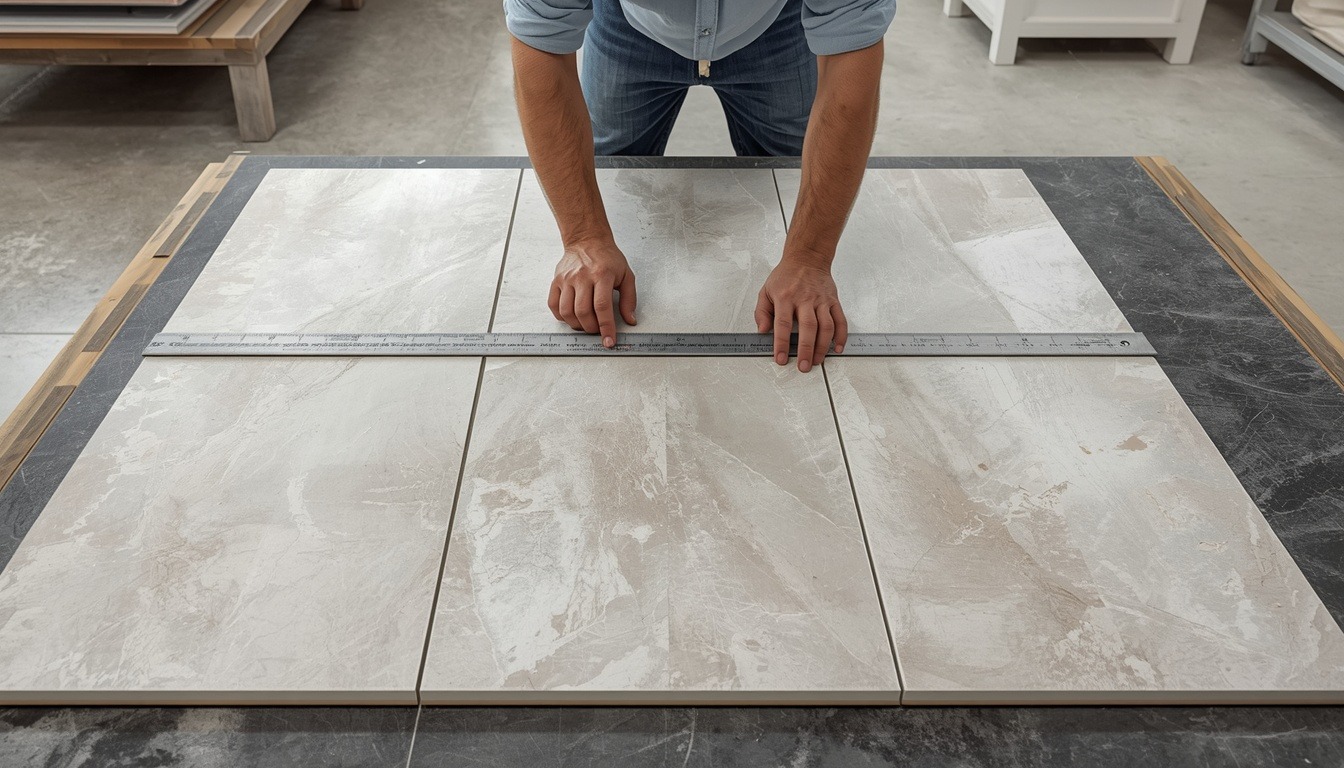
- Tile Warpage: Manufacturing variations can create slight curvature in tiles, especially long plank-style porcelain tiles. Because warpage can contribute to height differences between adjacent tiles, inspectors evaluate both the tile’s inherent characteristics and the quality of the installation before determining the cause of lippage.
- Installation Pattern: Patterns such as a 50% running bond can increase the visibility of lippage when using tiles with measurable warpage. Many manufacturers recommend alternative offset patterns to reduce this effect.
- Subfloor Flatness: An uneven substrate often contributes to excessive lippage. Inspectors frequently evaluate floor flatness as part of the overall inspection because installation quality depends heavily on proper surface preparation.
- Lighting Conditions: Direct sunlight or low-angle lighting can exaggerate the appearance of lippage. Measurements should always be based on actual dimensions rather than visual appearance alone.
- Grout Joint Width: Acceptable lippage allowances are influenced by grout joint width under applicable installation standards. Inspectors consider joint dimensions together with tile warpage when evaluating compliance.
Related Article: Learn why Different Flooring Materials Require Different Inspection Training and how specialized knowledge helps inspectors accurately evaluate a wide range of flooring systems.
Learn Professional Tile Inspection Techniques
Accurately measuring tile lippage is only one part of a professional flooring inspection. Inspectors must also understand how tile warpage, substrate flatness, installation methods, movement joints, and industry standards affect the final evaluation. Developing these skills requires both technical knowledge and practical field experience.
IFCII offers specialized flooring inspector training designed to develop this expertise, including:
- Carpet and Hard Surface Inspector Certification – Covers ceramic and porcelain tile inspection, along with hardwood, laminate, resilient flooring, and carpet inspection techniques.
- Advanced Flooring Inspector Training – Expands your knowledge of advanced inspection methods, flooring failures, technical evaluations, and professional report writing.
Training is available through hands-on classes in Gainesville, Georgia, as well as live instructor-led online training via Zoom, giving students the practical experience needed to perform accurate, objective, and defensible flooring inspections.
How Professionals Evaluate Tile Lippage
Professional flooring inspectors evaluate tile lippage as part of the overall installation rather than relying on a single measurement. In addition to measuring height differences between adjacent tiles, they consider tile warpage, substrate flatness, installation methods, movement joints that allow the tile assembly to accommodate normal expansion and contraction, and other site conditions that may influence the results.
After collecting and documenting measurements from multiple locations, inspectors compare their findings with applicable industry standards and manufacturer installation requirements to determine whether the observed lippage is acceptable or indicates a potential installation issue.
Note: If you’re considering a career in flooring inspection or expanding your expertise, you can also learn how IFCII Flooring Inspector Certification Differs and what sets its hands-on training approach apart.
When Is Tile Lippage Considered Excessive?
There is no single measurement that applies to every tile installation. In North America, tile lippage is generally evaluated using the requirements of ANSI A108.02 together with the recommendations published in the Tile Council of North America (TCNA) Handbook. These industry references establish acceptable lippage criteria based on factors such as tile warpage, grout joint width, and installation conditions.
Acceptable lippage depends on several factors, including:
- Tile dimensions
- Tile warpage
- Installation method
- Manufacturer specifications
- Grout joint width
- Intended use of the floor
For this reason, inspectors evaluate measurements within the context of the entire installation rather than relying on a single number.
Accurate lippage measurement provides objective evidence rather than opinion. By following consistent measurement procedures and evaluating the installation within applicable industry standards, inspectors can determine whether observed height differences represent normal construction tolerances or indicate a potential installation concern.