
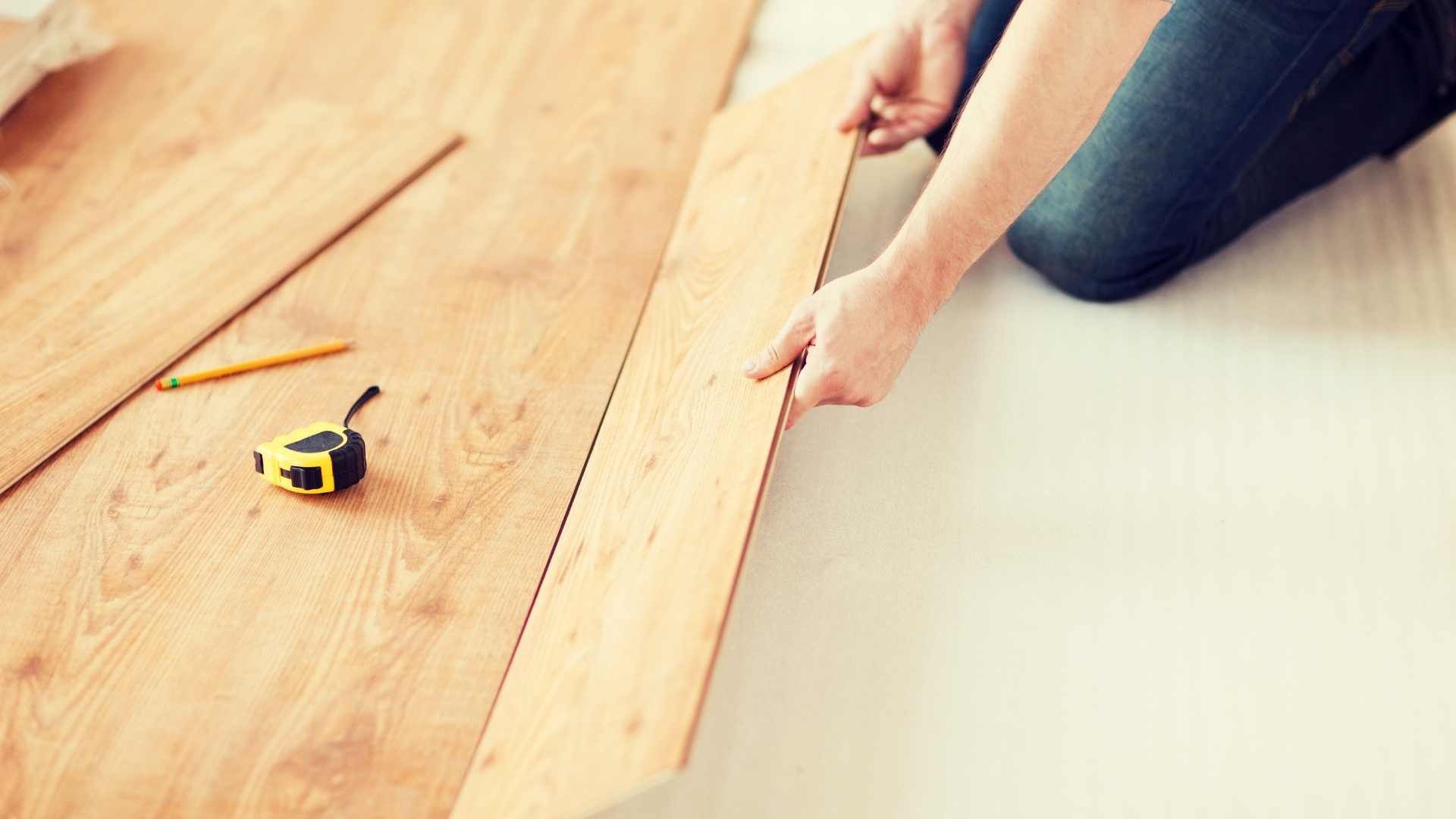
Residential and commercial flooring inspection career require different technical skills, reporting approaches, client communication styles, and levels of project complexity.
Residential inspections often focus on homeowner complaints, installation-related issues, and smaller-scale flooring issues, while commercial inspections may involve larger flooring systems, technical specifications, and more detailed reporting requirements.
Understanding these differences can help flooring professionals determine which inspection path best aligns with their experience, technical background, and long-term career goals.
Residential Flooring Inspection Career
Residential flooring inspectors usually work in homes, apartments, condominiums, and other small residential properties. Their work often focuses on flooring complaints, warranty claims, moisture-related problems, and installation defects.
Common residential inspection issues include:
- Hardwood floor cupping or gapping
- Carpet seam problems
- Luxury vinyl plank failures
- Tile cracking
- Laminate swelling
- Moisture intrusion
- Improper installation methods
Residential inspections often involve direct homeowner interaction, requiring inspectors to explain technical findings in clear and practical terms.
Many inspectors begin with residential projects to build field experience and reporting skills before handling larger commercial cases. Residential inspections are often independently scheduled and may provide more direct interaction with homeowners and localized flooring concerns.
Related Articles:
How Long Does It Take to Become a Certified Flooring Inspector
5 Skills You Will Learn in a Flooring Inspector Course
Commercial Flooring Inspection Career
Commercial flooring inspectors work in larger and more technically demanding environments such as hospitals, schools, warehouses, retail stores, hotels, and office buildings.
Their work commonly involves:
- Building specifications
- Moisture mitigation systems
- Adhesive and substrate failures
- Traffic-related wear patterns
- Slip resistance and flooring safety concerns
- Moisture and substrate testing
- Construction document review
Commercial flooring systems may include carpet tile, sheet vinyl, epoxy flooring, polished concrete, and other specialized materials.
Unlike residential inspections, commercial projects often involve multiple stakeholders, larger failure areas, and more detailed technical reporting. Inspection findings may also become part of insurance claims, manufacturer reviews, or legal disputes.
Commercial projects may also require coordination with general contractors, architects, insurance representatives, attorneys, or facility managers, depending on the nature of the flooring dispute.
Commercial inspections often require familiarity with ASTM moisture testing standards, flooring specifications, substrate conditions, and manufacturer installation guidelines.
Residential vs Commercial Flooring Inspection Work
| Area | Residential Inspection | Commercial Inspection |
| Project Size | Smaller | Larger |
| Client Type | Homeowners | Businesses & organizations |
| Technical Complexity | Moderate | Higher |
| Reporting Requirements | Standard | Highly detailed |
| Legal Involvement | Occasional | More common |
| Scheduling | Flexible | Structured |
| Flooring Types | Common residential materials | Specialized commercial systems |
| Communication Style | Customer-focused | Technical and professional |
Skills Needed for Both Career Paths
Successful flooring inspectors typically develop expertise in:
- Flooring installation methods
- Failure analysis
- Subfloor evaluation
- Client communication
- Report writing
- Field documentation procedures
Flooring inspectors may also use tools such as moisture meters, relative humidity testing equipment, infrared imaging tools, and digital reporting systems during flooring inspections.
Strong report writing skills are important because inspection findings must remain factual, organized, and defensible. Inspection reports may also be reviewed during warranty disputes, insurance claims, or construction-related evaluations, making accurate documentation critical.
Some training organizations, including IFCII, offer flooring inspection training programs covering carpet, hard surface, laminate, vinyl, and resilient flooring systems, along with report-writing instruction.
Which Flooring Inspection Career Is Better?
Residential and commercial inspection work suits different professional strengths, experience levels, and reporting responsibilities. The right choice depends on your background, interests, and career goals.
| Residential Inspection May Be Better For | Commercial Inspection May Be Better For |
| Installers transitioning into inspection work | Experienced flooring professionals |
| Professionals seeking flexible scheduling | Individuals comfortable with technical documentation |
| Inspectors who prefer direct customer interaction | Inspectors interested in construction-related failure analysis or litigation support |
| Those starting an independent inspection business | Professionals working with manufacturers or legal cases |
Many experienced inspectors eventually perform both residential and commercial inspections.
Training and Certification Considerations
Flooring inspection work requires practical field knowledge and ongoing education.
Flooring training programs may cover:
- Carpet inspection techniques
- Hardwood flooring analysis
- Laminate and luxury vinyl flooring systems
- Moisture testing standards and procedures
- Inspection ethics
- Forensic documentation methods
- Technical report preparation
- Industry standards and manufacturer guidelines
Hands-on inspection training can help inspectors learn how to identify root causes rather than simply documenting visible damage.
Certification alone does not guarantee inspection work opportunities. Many inspectors build experience through flooring installation, restoration, construction, or claims-related backgrounds before performing independent inspections.
For professionals expanding into commercial inspections, advanced education in technical flooring systems, moisture testing, industry standards, and technical documentation is often valuable.
Examples of specialized education programs within the industry include:
Career Outlook for Flooring Inspectors
Flooring inspection services are commonly used for warranty claims, installation disputes, moisture-related flooring failures, insurance documentation, and construction-related evaluations across residential and commercial projects.
As flooring systems become more specialized, inspectors may need stronger knowledge of materials such as luxury vinyl, laminate, moisture mitigation systems, and hard surface flooring assemblies. Commercial inspections may also require familiarity with manufacturer specifications, substrate conditions, and industry testing standards.
FAQs
Is flooring inspector training necessary?
Formal training is often helpful because inspectors must understand flooring systems, testing methods, standards, and documentation procedures. Training programs can also improve report-writing and forensic analysis skills.
How do flooring inspectors get clients?
Flooring inspectors may receive work through flooring retailers, manufacturers, contractors, insurance companies, attorneys, restoration companies, property managers, and direct customer referrals. Independent inspectors often build client relationships through industry networking, inspection reporting experience, and professional referrals.
Do flooring inspectors travel?
Some flooring inspectors travel locally or regionally, depending on the type of inspections they perform. Commercial inspections, manufacturer claims, and forensic flooring evaluations may require travel to project sites in different cities or states.
Are flooring inspectors self-employed?
Some flooring inspectors operate independent inspection businesses, while others work with manufacturers, flooring companies, insurance organizations, inspection firms, or consulting groups. Independent inspectors are typically responsible for managing scheduling, reporting, client communication, and business operations.