
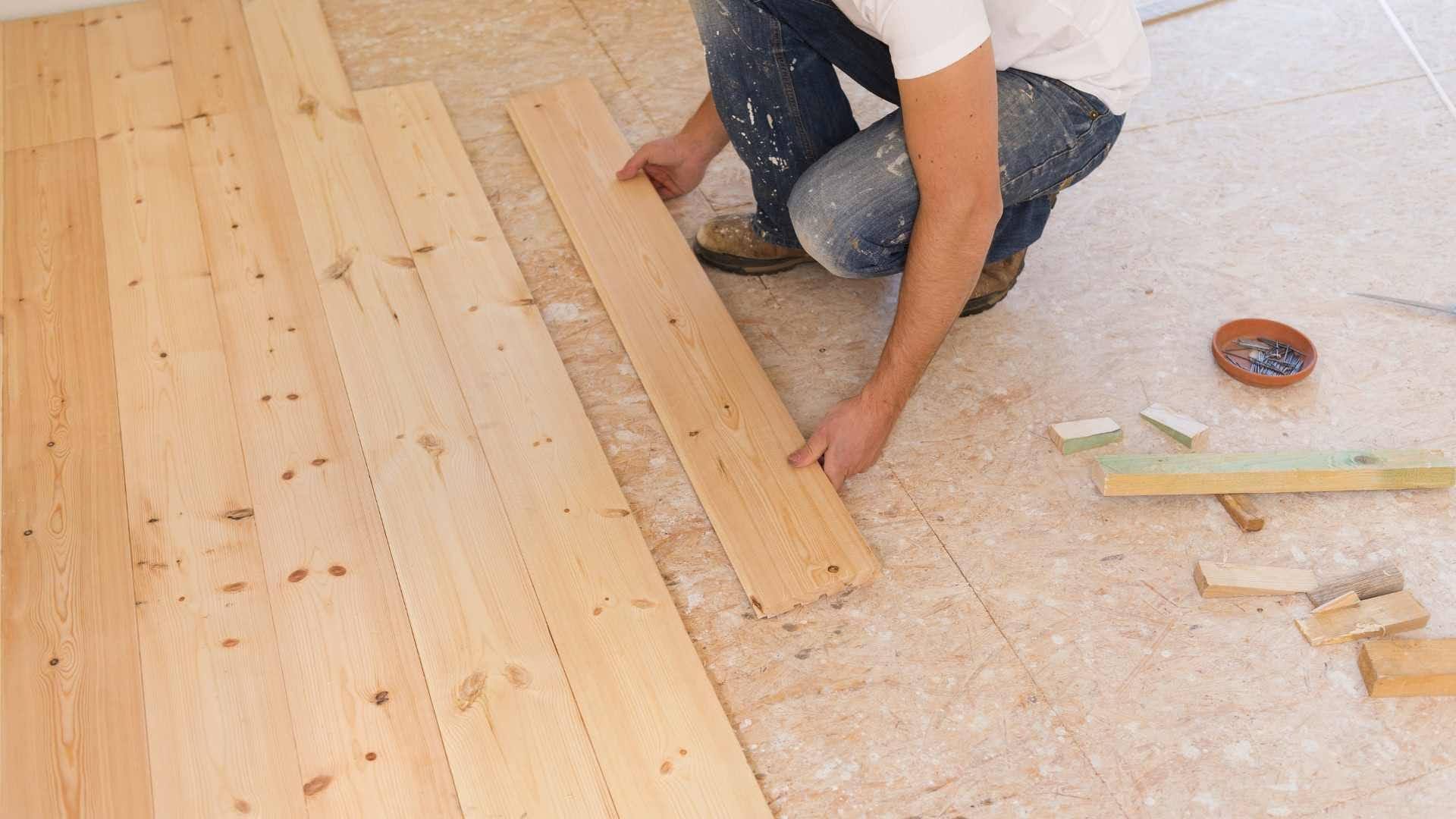
The flooring industry has become increasingly technical. Modern flooring systems involve specialized installation methods, moisture testing requirements, manufacturer specifications, and evolving product technologies. As a result, identifying the cause of a flooring problem often requires more than hands-on experience.
This is why flooring inspection training has become a valuable investment for flooring professionals. Whether you are an installer, retailer, contractor, claims analyst, technical representative, or aspiring flooring inspector, specialized education can help you develop the skills needed to evaluate flooring performance, identify defects, and document findings accurately.
For professionals looking to expand their expertise, flooring inspection education provides practical knowledge that can support better decision-making, improve credibility, and create additional career opportunities within the industry.
Industry Knowledge Gap Many Professionals Face
Many flooring specialists learn primarily through field experience. While practical experience is valuable, it does not always provide exposure to every type of flooring performance issue or inspection scenario.
Flooring inspection education helps fill knowledge gaps by teaching flooring forensics, failure analysis, moisture testing, subfloor evaluation, industry standards, and professional documentation practices.
This combination of technical knowledge and practical application helps professionals develop a more complete understanding of flooring performance. Flooring inspectors often reference recognized standards and guidelines when evaluating flooring conditions.
Depending on the flooring type and inspection scenario, this may include ASTM testing methods, ANSI installation standards, manufacturer installation requirements, and applicable industry guidelines such as those published by the National Wood Flooring Association (NWFA).
Understanding how these standards apply helps inspectors interpret inspection results more consistently across different flooring types and jobsite conditions.
Benefits of Flooring Inspection Training for Industry Professionals
Flooring inspection training offers benefits that extend beyond learning how to inspect floors. It helps industry professionals build technical expertise, strengthen problem-solving abilities, improve documentation practices, and stay current with evolving flooring products and standards. The following are some of the key advantages of investing in flooring inspection education:
1. Understanding the “Why” Behind Flooring Failures
One of the most valuable aspects of inspector training is learning how to determine why a flooring problem occurred.
For example, a hardwood floor may show signs of cupping or buckling. Proper instruction teaches professionals how to evaluate moisture conditions, installation methods, site conditions, and environmental factors before reaching conclusions.
Rather than making assumptions, trained inspectors follow a systematic process supported by evidence and testing.
2. Career Opportunities Created by Flooring Inspection Training
Flooring inspection skills can open doors to additional career opportunities within the industry. Individuals with inspection education may have opportunities to support or collaborate with organizations such as:
- Flooring retailers
- Manufacturers
- Distributors
- Insurance companies
- Property managers
- General contractors
- Attorneys
- Homeowners
- Commercial building owners
As flooring products continue to evolve, organizations often look for individuals who understand flooring performance, testing methods, and failure analysis.
For many experienced installers, contractors, and flooring specialists, inspection training can complement an existing career and may help strengthen credibility through more consistent inspection procedures, documentation practices, and evidence-based evaluations.
3. Learning the Complete Flooring Inspection Process
A successful flooring inspection involves much more than visual observation. Professional training teaches participants how to evaluate flooring systems, identify potential causes of failure, perform appropriate testing procedures, and document findings using a systematic approach.
Key areas typically covered include:
- Inspection Planning – Gathering relevant information before arriving on-site.
- Field Testing – Understanding when and how to use moisture testing and other evaluation methods.
- Material Identification – Recognizing different flooring products and their performance characteristics.
- Subfloor Evaluation – Assessing substrate conditions that may contribute to flooring problems.
- Failure Analysis – Identifying factors that may have contributed to a flooring issue.
- Documentation – Recording observations, measurements, photographs, and testing results.
- Professional Reporting – Organizing findings into a clear and understandable format.
Together, these skills help inspectors perform consistent evaluations and document findings in a structured, professional manner.
4. Staying Current with Modern Flooring Materials
The flooring industry has changed significantly over the past decade, with new products, installation methods, adhesives, underlayments, and moisture mitigation systems continually entering the market.
Continuing education helps flooring specialists stay informed about developments in luxury vinyl flooring, waterproof flooring products, laminate technologies, moisture management practices, updated installation standards, and manufacturer requirements.
By keeping their knowledge current, industry professionals are better equipped to evaluate modern flooring installations, identify potential performance issues, and apply current best practices. Ongoing training also helps inspectors and flooring specialists remain up to date with evolving products, standards, and industry expectations throughout their careers.
Note: Many training providers, including IFCII, offer continuing education opportunities that help flooring professionals stay current with evolving products, installation practices, and industry standards.
Related Articles:
How to Choose the Best Floor Inspection Certification Course
5 Skills You Will Learn in a Flooring Inspector
Course Career Opportunities After Completing an Advanced Flooring Course
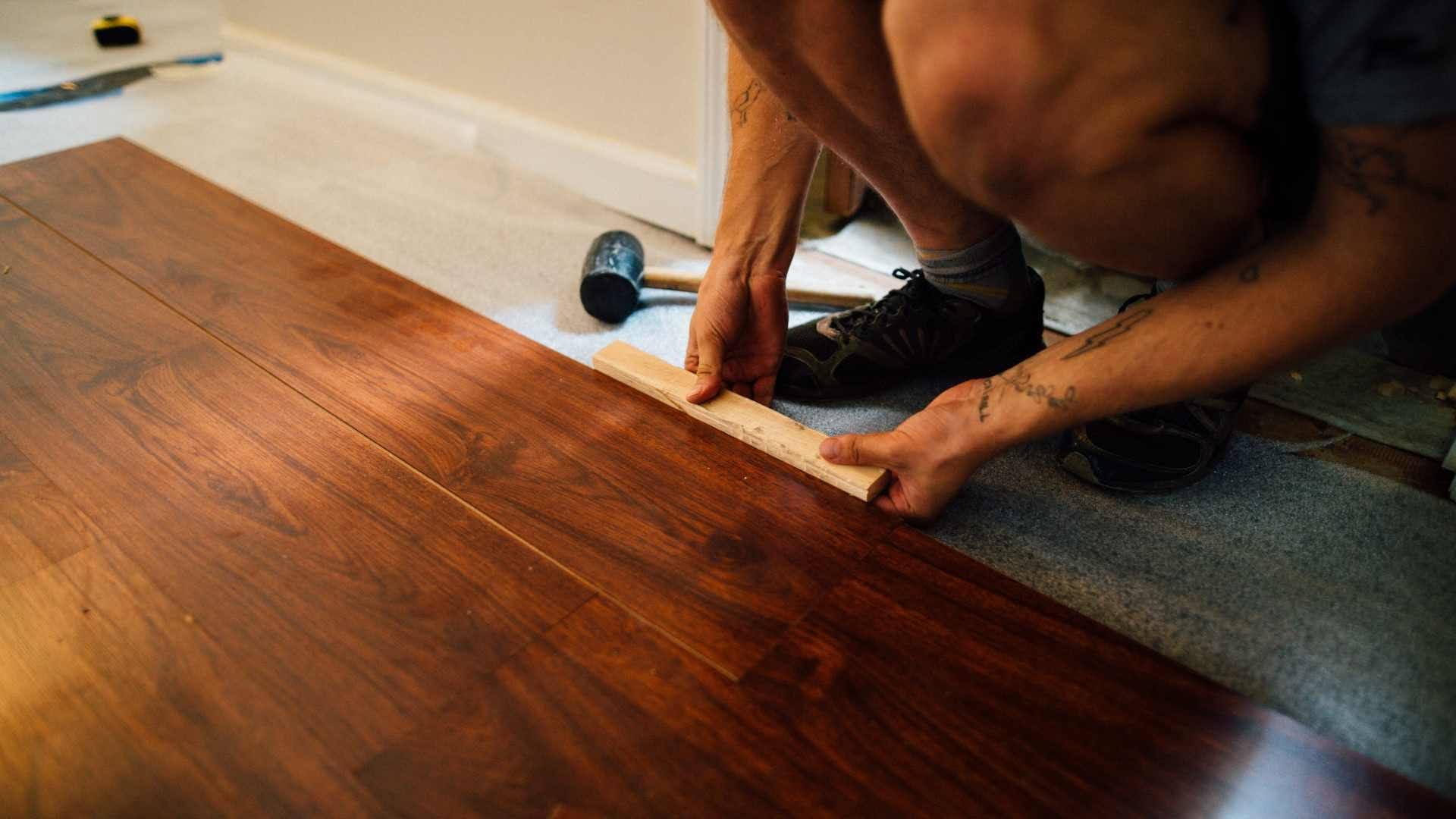
What to Look for in a Flooring Inspection Training Program
Not all flooring inspection programs cover the same topics or provide the same level of practical instruction.
When evaluating a training program, consider whether it includes:
- Hands-on inspection training
- Flooring problem analysis
- Moisture testing instruction
- Industry standards education
- Report-writing development
- Multiple flooring categories
- Real-world case studies
Organizations such as IFCII (Institute for Floor Covering Inspectors International) offer flooring inspection training covering carpet, hardwood, laminate, luxury vinyl, inspection procedures, field testing, and professional report writing.
IFCII’s programs include hands-on training, flooring failure analysis, step-by-step inspection procedures, and practical report-writing exercises designed to help professionals develop the skills needed to evaluate flooring conditions objectively.
Courses are available in person and through remote learning options, providing flexibility for industry professionals seeking specialized education.
Final Thought
Flooring inspection training provides specialized knowledge that goes beyond installation experience. It helps industry professionals strengthen their understanding of flooring performance, moisture testing, failure analysis, documentation, and professional reporting.
For installers, retailers, contractors, claims professionals, and aspiring inspectors, this education can improve technical expertise, strengthen credibility, and support career growth. As flooring products and installation methods continue to evolve, inspection training remains a practical way to build valuable skills within the flooring industry.