
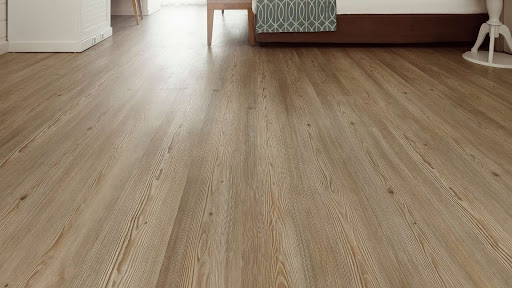
Luxury vinyl flooring is everywhere right now and for good reason. It’s durable, design-forward and often more cost-effective than traditional flooring, making it a go-to option for both homes and commercial spaces.
But many flooring inspectors rely on legacy inspection frameworks originally developed for wood or tile, which are not fully compatible with modern LVF systems. That gap has led to frequent misunderstandings, incorrect diagnoses and avoidable disputes when performance issues arise.
Find out why luxury vinyl flooring requires specialized inspection training, how it differs from traditional flooring inspections and who needs this expertise most. If you work with vinyl plank or vinyl tile systems, vague inspection methods are no longer enough.
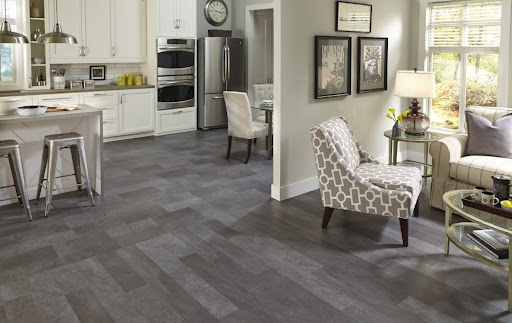
Why Luxury Vinyl Flooring Inspections Are Different
Luxury vinyl flooring inspections are different because the product has unique failure modes, relies on extremely precise manufacturer specifications, and is highly sensitive to moisture-related installation and subfloor conditions that are often misunderstood during evaluation.
1. Luxury Vinyl Has Unique Failure Modes
Common luxury vinyl flooring failures include gapping or peaking at seams, locking system fractures, edge curl or tenting, indentation, telegraphing, and gloss variation or surface distortion.
Many of these issues appear similar on the surface but stem from very different root causes. Without specialized training, inspectors may misattribute these failures, resulting in inaccurate reports and unnecessary disputes.
2. Manufacturer Specifications Are Extremely Precise
Luxury vinyl products have tight tolerances that must be verified during an inspection, including subfloor flatness often limited to 3/16 inch over 10 feet or less, along with required expansion gaps, approved underlayments, acclimation timeframes, and acceptable temperature and relative humidity limits.
Proper inspection training ensures professionals know how to accurately measure, verify, and document compliance with these requirements, rather than simply referencing manufacturer guidelines.
Get to know the skills you will learn in the floor inspector course!
3. Moisture Testing Is Critical and Often Misunderstood
Luxury vinyl flooring is often marketed as “waterproof,” which can lead to dangerous misconceptions. In reality, excessive moisture vapor emissions can deform vinyl planks, elevated moisture vapor pressure and alkalinity in the subfloor can compromise adhesive systems, and elevated alkalinity levels can cause bond failure in glue-down luxury vinyl tile installations.
Specialized inspection training covers:
- Proper moisture testing methods
- When tests are valid or invalid
- How does moisture interact with vinyl differently from wood or tile
‘‘For professionals considering a career in this space, understanding the industry demand can be helpful see why becoming a certified flooring inspector is a high-demand career to explore long-term opportunities and market expectations.’’
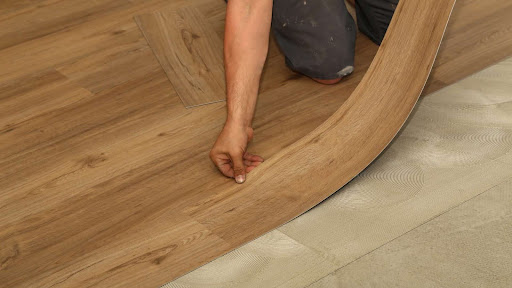
How Luxury Vinyl Flooring Inspection Works (Step-by-Step)
A proper luxury vinyl flooring inspection starts with product identification and specification review, continues with site and environmental assessment, includes a detailed subfloor evaluation, and concludes with failure analysis and documentation. Each step is essential for precise results.
Step 1: Product Identification & Specification Review
Inspectors start by confirming the product type, such as SPC, WPC, rigid core, or flexible LVT, along with the installation method, floating, glue-down, or loose lay, and the manufacturer’s specific installation requirements.
This step alone often uncovers non-compliance issues that could affect the flooring’s performance and longevity.
Step 2: Site Conditions & Environmental Assessment
Inspection training teaches professionals how to evaluate environmental factors such as room temperature and humidity, HVAC operation history, exposure to sunlight or heat sources and differences in commercial versus residential usage patterns.
Environmental instability is a leading cause of luxury vinyl flooring failure, making this assessment a critical part of any thorough inspection.
Step 3: Subfloor Evaluation
Inspectors assess:
- Flatness and smoothness
- Substrate material (concrete, wood, gypsum)
- Surface contamination
- Structural movement
Luxury vinyl does not forgive subfloor irregularities, even when they appear minor.
Step 4: Failure Analysis & Documentation
Specialized training focuses on teaching inspectors how to distinguish visual symptoms from true root causes, properly use gauges, straightedges, and testing instruments, and document conditions through clear, objective photography and reporting.
This is where trained inspectors separate verifiable facts from assumptions and provide findings that can withstand technical and professional scrutiny.
‘‘These kinds of errors are exactly the issues covered in mistakes new floor inspectors make and how training prevents them, which helps emerging inspectors avoid costly oversights early in their practice.’’
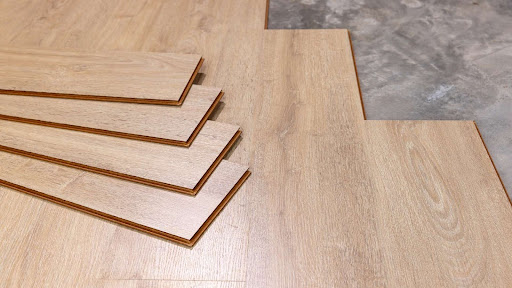
Want a Luxury Vinyl Flooring Inspection Course?
If you work with luxury vinyl flooring, whether as an inspector, installer, manufacturer, retailer, or insurance professional, gaining specialized inspection skills is essential. The Luxury Vinyl Flooring Inspection Course from IFCII is designed to give professionals practical, hands-on experience for evaluating LVF installations accurately and confidently.
If you’re interested in becoming a flooring inspector, you can register here for the upcoming Luxury Vinyl Flooring Inspection courses on February 16, 2026 and June 15, 2026.
This one-day, IFCII-approved flooring training provides:
- Expertise in all major LVF types and installation methods
- Identification of product defects and installation issues
- Mastery of IFCII inspection protocols and professional reporting
- Practical skills for accurate documentation and photography
Participants also earn IFCII Continuing Education Credits (CECs), supporting certification, recertification, and ongoing professional development. By applying the techniques learned during this course, inspectors can provide reliable, defensible reports and expand their career opportunities in flooring inspection and consulting.
View the full course details and secure your spot today.
Who Needs Luxury Vinyl Inspection Training?
This training is highly relevant for professionals who regularly encounter luxury vinyl flooring systems, including LVP (luxury vinyl plank) and LVT (luxury vinyl tile), and seek to deepen their technical expertise and inspection accuracy:
Audience |
Why LVF/LVP/LVT Specialization Matters |
| Flooring Inspectors | Gain expertise in LVP/LVT evaluation, identify root causes of failures, and produce credible, standards-based inspection reports. |
| Installers & Contractors | Expand technical knowledge of luxury vinyl systems, reduce installation errors, and improve client satisfaction. |
| Retailers | Handle warranty claims accurately, provide informed guidance, and minimize disputes with customers. |
| Manufacturers | Evaluate product performance in real-world applications and support quality assurance initiatives. |
| Insurance Adjusters & Legal Professionals | Understand technical flooring issues, make informed decisions in claims or litigation, and rely on professional inspections for dispute resolution. |
Even experienced inspectors benefit from LVF-focused education due to ongoing product innovation.
Why This Training Is Essential
Luxury vinyl flooring is not a simplified alternative to other floor coverings; it is a technically complex, rapidly evolving product category. Specialized inspection training ensures accurate evaluations, credible reports, and fair outcomes in disputes.
Without it, even experienced professionals risk misdiagnosis, liability exposure, and damaged credibility.
Frequently Asked Questions
Q1. Can general flooring inspectors evaluate luxury vinyl flooring?
They can, but without specialized LVF training, important factors like subfloor moisture, expansion gaps, and core integrity may be missed, leading to inaccurate conclusions.
Q2. Do LVF inspections require special tools?
Yes. Moisture meters, straightedges, and documentation tools designed for vinyl flooring are essential for accurate measurements and professional reports.
Q3. Where can professionals learn proper LVF inspection protocols?
Many inspectors take the IFCII-recognized inspector certification program that focuses specifically on luxury vinyl flooring, teaching standards, testing methods, and proper reporting techniques.