
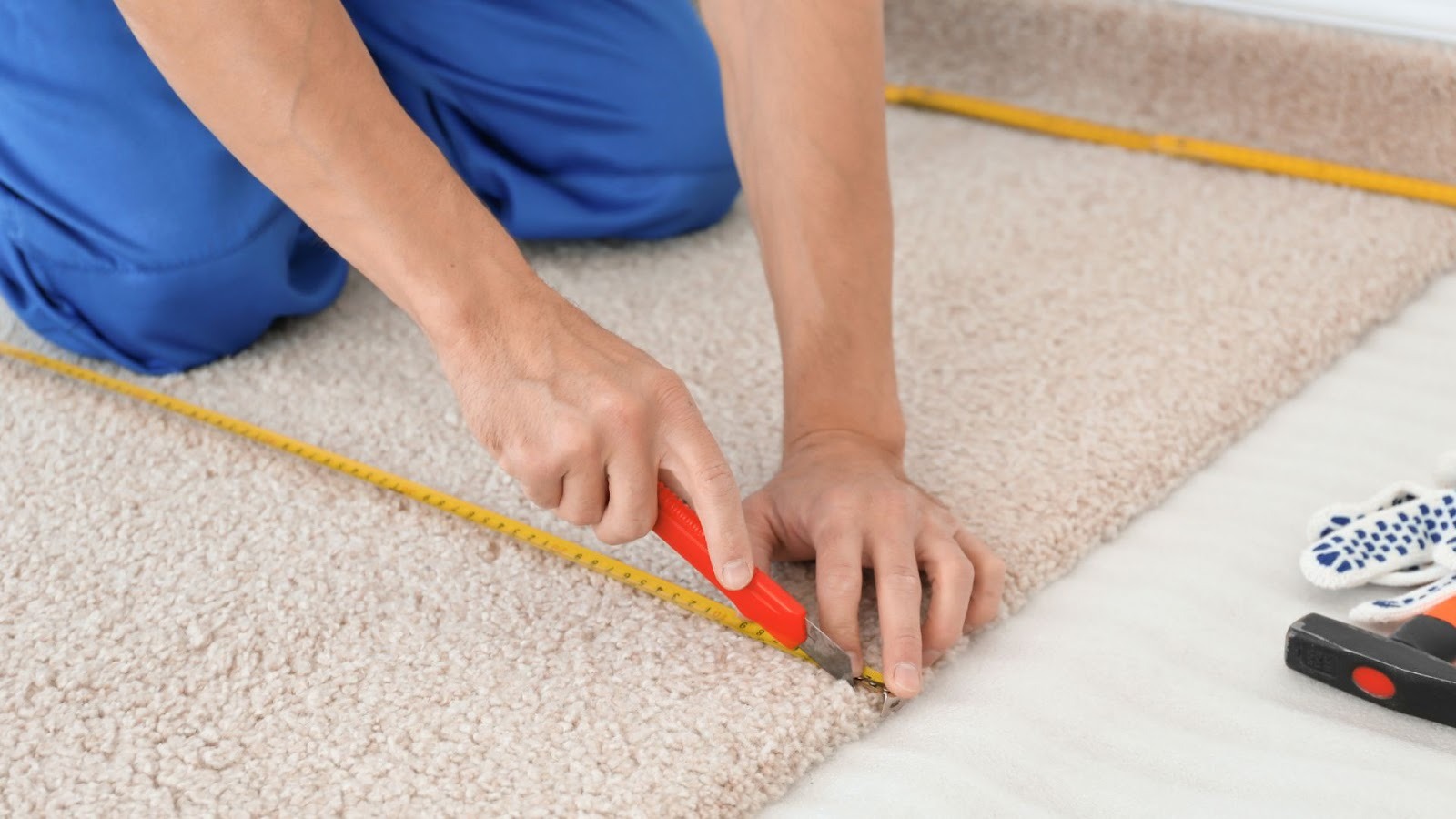
If you’re exploring carpet inspector training, upgrading your credentials, or considering inspection as a new career path, this guide explains what hands-on training really means, why it matters, and how it directly affects inspection accuracy, credibility, and career success.
Hands-On Training Is Critical for Carpet Inspectors
Many carpet failures are not obvious and require physical evaluation to identify accurately. Because inspection findings are often used in warranty, insurance, or legal decisions, even small errors can have significant consequences, making hands-on training essential for reliable results.
Carpet Failures Are Rarely Obvious
Many carpet failures are not obvious at first glance, and even visible issues often require testing to determine the root cause. Problems such as moisture intrusion, improper seam construction, subfloor-related issues, cushion incompatibility, and installation technique errors often occur beneath the surface or develop over time.
Identifying these conditions requires physical testing, close examination, and sound technical judgment in the field skills that cannot be learned effectively through slides, videos, or theory-only instruction.
Inspection Errors Have Real Consequences
Carpet inspection reports are frequently relied upon in warranty disputes, legal claims, insurance evaluations, and manufacturer determinations. When an inspector lacks hands-on training, the risk is not theoretical; it shows up in specific, repeatable errors.
These include improper use or interpretation of moisture meters, misidentification of cushion type or density, and confusion between installation-related defects (such as seam construction or stretching issues) and true manufacturing defects.
Without field-based practice, inspectors may overlook or misinterpret physical evidence, leading to incorrect root-cause conclusions and poorly supported reports. Such errors can undermine the inspector’s credibility and materially affect outcomes for all parties involved.
‘‘For readers wondering about professional pathways and demand, be sure to explore Why Becoming a Certified Flooring Inspector Is a High Demand Career to understand long-term opportunities in this field.’’
How Hands-On Carpet Inspector Training Works
A well-structured hands-on program teaches inspection skills in sequence, starting with material identification and site assessment, then progressing through installation evaluation and failure analysis, and ending with professional documentation and reporting aligned with industry standards.
- Material identification: Understanding different carpet types, fiber systems, backing structures, and cushion materials to accurately evaluate how each component affects overall performance.
- Environmental and moisture assessment: Using inspection instruments correctly to evaluate site conditions, identify moisture-related risks, and understand how environmental factors influence carpet behavior.
- Installation evaluation: Examining seams, stretching, transitions, and layout to determine whether installation methods meet accepted industry standards.
- Failure analysis: Distinguishing between manufacturing defects, installation errors, and site-related issues to identify the true cause of carpet problems.
- Documentation and reporting: Writing clear, well-structured, and defensible inspection reports that align with industry standards and support inspection conclusions.
Each step builds on the last and requires physical repetition to master.
Who Needs Hands-On Carpet Inspector Training?
Hands-on training is critical for developing practical inspection skills, improving diagnostic accuracy, and preparing inspectors for real-world field evaluations:
- New inspectors with no field experience
- Flooring installers transitioning into inspection
- Retail professionals handling claims and disputes
- Certified inspectors adding carpet inspection credentials
- Professionals seeking credibility with manufacturers and insurers
Even experienced flooring professionals often discover knowledge gaps once they begin formal inspection work.
‘‘If you’re weighing different training formats, this article, Online vs Classroom Floor Inspector Training, breaks down the key differences and shows why hands-on, in-person training often delivers stronger field readiness.’’

Benefits of Hands-On Carpet Inspector Training
Hands-on carpet inspector training accelerates field readiness, improves inspection report quality, builds professional confidence, and enhances career opportunities through practical, real-world experience.
1. Faster Field Readiness
Graduates are prepared to perform inspections immediately rather than spending months learning through trial and error. Hands-on training accelerates the transition from classroom learning to real-world inspection work.
2. Higher Report Quality
Hands-on training improves clarity, consistency, and technical accuracy in inspection reports by teaching inspectors how to document findings correctly, apply industry standards, and support conclusions with physical evidence.
3. Stronger Professional Confidence
Inspectors who have practiced real inspections under guidance develop greater confidence in their observations and decisions, allowing them to explain findings clearly and defend conclusions when questioned.
4. Better Career Opportunities
Manufacturers, attorneys, insurance professionals, and flooring stakeholders tend to prefer inspectors with verifiable hands-on training, as it signals reliability, competence, and readiness for complex inspection assignments.
Hands-On Carpet Inspector Training at IFCII
For individuals specifically seeking hands-on carpet inspector training, the Carpet & Hard Surface Inspector Certification Course at IFCII is structured around real inspection work, not classroom theory alone.
This training focuses on:
- Performing supervised, real-world carpet inspections
- Identifying installation, material, and site-related failures
- Using inspection tools and conducting essential field tests
- Learning step-by-step inspection procedures
- Preparing clear, professional inspection reports
- Access to certification and post-training mentorship
This course is designed for both new and experienced professionals who want practical skills and field readiness before conducting inspections independently.
Contact us for more information!
Tips for Choosing the Right Floor Inspector Training Program
When evaluating carpet inspector training options, look for programs that provide practical, field-based instruction, guided skill development, and real-world inspection experience, not theory alone.
| What to Look For in Carpet Inspector Training | Why It Matters |
| In-person inspection exercises | Builds real-world inspection skills through hands-on practice |
| Tool-based testing instruction | Ensures correct use and interpretation of inspection tools, including pinless moisture meters, seam probes, straightedges, and moisture tests where applicable. |
| Report writing practice | Helps produce clear, defensible inspection documentation |
| Instructor-led defect analysis | Improves accuracy in identifying causes of carpet failures |
| Post-training mentorship or support | Provides guidance when transitioning into real inspections |
Frequently Asked Questions
Q1. Is hands-on training required to become a carpet inspector?
While not always legally required, hands-on training is strongly recommended to perform accurate, defensible inspections and meet industry expectations.
Q2. Can I start with online carpet inspector training?
Online training can be a starting point, but it should be supplemented with in-person, hands-on instruction before performing inspections professionally.
Q3. How long does hands-on carpet inspector training take?
Most hands-on programs run several days and are intensive, focusing on practical application rather than long-term theory.
Q4. Does hands-on training improve certification exam success?
Yes. Students who practice inspections and reporting tend to perform better on certification exams and in real-world evaluations.
Q5. Are there programs that combine carpet and hard surface inspection training?
Yes. Some training providers, including IFCII, offer an integrated carpet and hard surface inspector certification program that emphasizes hands-on learning across flooring types.