

Choosing a career today is not just about passion; it’s also about stability, growth, and long-term opportunities. And if you’re looking for a profession that blends technical skills, independence, and high earning potential, becoming a Certified Flooring Inspector is one of the smartest moves you can make.
Most people have never even heard of this career, yet it plays a crucial role in the construction, real estate, and flooring industries. With new homes, offices, and commercial buildings being constructed every day, the demand for flooring inspectors has reached an all-time high. And here’s the best part: there aren’t enough qualified inspectors to meet this growing demand.
Let’s get to know why flooring inspection is a booming career, what makes certification important, and how this field can offer a stable and lucrative future.

What Is a Certified Flooring Inspector?
A Certified Flooring Inspector is a trained professional who examines flooring-related issues like improper installation, product defects, moisture problems, surface irregularities, and warranty claims.
They are the “detectives” of the flooring, called in when something goes wrong or when a dispute needs a fair, professional evaluation.
Inspectors work with:
- Homeowners
- Builders
- Architects
- Flooring installers
- Manufacturers
- Insurance companies
- Lawyers
Their job is to find the real cause of a flooring problem and provide a neutral, detailed report. This report helps decide who is responsible, how to fix it, and how much it will cost.
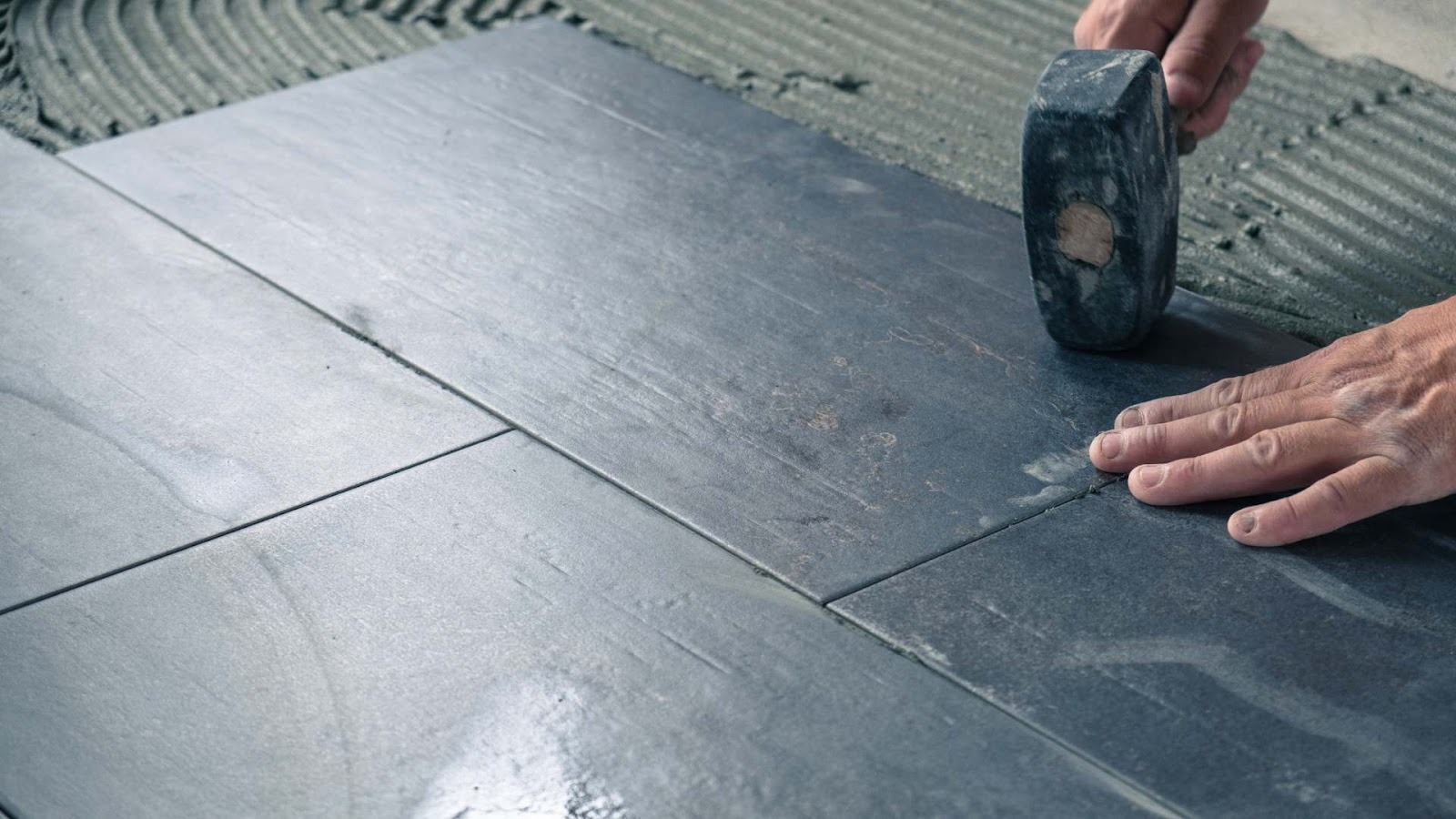
Why the Demand for Flooring Inspectors Is Growing Quickly
The flooring industry is growing, modernizing, and becoming more complex every year. The demand for certified flooring inspectors continues to rise due to a combination of industry growth, material advancements, and the increasing complexity of modern flooring installations.
As the flooring sector evolves, the need for trained professionals capable of diagnosing failures, resolving disputes, and delivering unbiased assessments becomes more critical than ever.
1. Construction and Renovation Booms
Residential and commercial construction is expanding at an unprecedented rate. New homes, offices, hotels, hospitals, retail centers, and large-scale renovations are occurring daily across the country. Every new construction project includes new flooring—and with new flooring comes the risk of installation errors, product defects, moisture issues, and performance failures.
This rapid growth has created a critical demand for qualified flooring inspectors. Problems often arise shortly after installation, requiring an independent expert to determine the cause, responsibility, and appropriate corrective action. In addition, pre-installation inspections are increasingly requested to evaluate jobsite conditions, subfloors, moisture levels, and environmental factors before flooring is installed, helping to prevent costly failures before they occur.
As construction volume continues to rise, so does the need for trained, certified inspectors who can protect contractors, manufacturers, property owners, and consumers alike
2. More Flooring Options Create More Complex Problems
Gone are the days when flooring choices were limited to basic wood planks or simple ceramic tile. Today’s market includes an ever-expanding range of products, such as:
- Luxury Vinyl Plank (LVP) and Luxury Vinyl Tile (LVT)
- Engineered hardwood
- Laminate flooring
- Modular carpet tile systems
- Hybrid and multi-layer composite products
- Natural stone and advanced ceramic variations
Each of these materials behaves differently under moisture, temperature, substrate conditions, traffic loads, and installation methods. What may be an acceptable practice for one type of flooring can cause a failure in another. This added complexity has dramatically increased the demand for highly trained, certified flooring inspectors who understand the unique performance characteristics of every flooring category.
Organizations like IFCII (Institute for Floor Covering Inspectors International) provide specialized training that equips inspectors with the technical knowledge needed to evaluate modern flooring systems accurately and professionally.
Ready to build or expand your career in a fast-growing industry? Join the IFCII Commercial Carpet Inspection Training Class and become part of the next generation of flooring experts.
3. Surge in Warranty and Insurance Claims
A certified inspector’s written report often becomes the deciding factor in whether a claim is approved, denied, or escalated into litigation. As warranty and insurance claims continue to rise, so does the demand for qualified inspectors who can provide unbiased, defensible conclusions based on industry standards and field testing.
4. Shortage of Qualified Inspectors
This is one of the biggest advantages for new professionals.
There are thousands of installers… but only a limited number of certified floor inspectors. That means less competition and more job opportunities.
5. Growing Reliance on Neutral Third-Party Experts
Manufacturers, installers, attorneys, property managers, and insurance companies are increasingly relying on certified, neutral third-party flooring inspectors to provide unbiased evaluations. In today’s claims-driven environment, all parties recognize the importance of eliminating conflicts of interest and ensuring that conclusions are based solely on facts, testing, and industry standards.
A neutral inspector brings credibility, objectivity, and technical authority to disputed situations. Their findings help resolve conflicts faster, reduce legal exposure, and protect both consumers and industry professionals. As litigation and high-dollar claims continue to increase, so does the demand for independent, professionally certified inspectors who can serve as trusted experts.
Certification through IFCII gives you that credibility.

‘‘To learn more about the steps and requirements involved, read our detailed guide on how to become a flooring inspector.’’
Benefits of Becoming a Certified Flooring Inspector
Here are just a few reasons why this profession continues to stand out as a strong career opportunity:
1. High Income Potential with Scalable Growth
Certified flooring inspectors typically charge per inspection or per project, allowing income to scale directly with experience, reputation, and workload. Residential and commercial inspections, expert consultations, large-loss claims, and legal work can all command significantly different fee structures.
Rather than being locked into an hourly wage or salary ceiling, inspectors have the ability to:
- Set their own pricing based on market demand
- Increase fees as experience and credentials grow
- Expand into higher-paying commercial, insurance, and expert witness work
- Build repeat business with manufacturers, retailers, contractors, attorneys, and insurance carriers
Because flooring failures, moisture issues, and installation disputes occur year-round, steady work is available in nearly every market. Many full-time inspectors build six-figure careers, especially in high-growth regions or specialized inspection sectors.
Public wage estimates often reflect entry-level or employed positions and do not represent the full earning potential of independent certified inspectors, particularly those working in commercial claims, expert witness services, and failure analysis.
In short, this is a profession where your income is not capped, your knowledge, credibility, and demand ultimately drive your earnings.
2. Work Independently
One of the most attractive benefits of becoming a certified flooring inspector is the ability to work independently. As an inspector, you control your own business and your own time, including:
- When you work
- How many projects do you accept
- How far you choose to travel
- What types of inspections do you specialize in
This level of freedom and flexibility makes inspection an ideal career for individuals transitioning from physically demanding roles such as installation, sales, or construction management, without sacrificing income or professional relevance
3. No Heavy Physical Labor
Unlike flooring installation and construction work, inspection is a technical profession—not a physically demanding one. Daily tasks typically involve:
- Measuring and documenting conditions
- Photographing flooring systems and jobsite details
- Observing installation methods and performance issues
- Testing moisture and environmental conditions
- Writing professional inspection reports
This makes flooring inspection a career that is sustainable long-term, allowing professionals to remain active in the industry well into later years without wear and tear on the body.
4. Respect and Authority in the Industry
Certified flooring inspectors are recognized as trusted experts within the industry. Builders, retailers, manufacturers, contractors, attorneys, and insurance companies rely on certified inspectors to provide accurate, unbiased evaluations.
When you sign a professional inspection report, your opinion carries weight. That level of authority builds credibility, increases demand for your services, and often leads directly to:
- Better clients
- Higher-level assignments
- Increased compensation
- Long-term professional relationships
5. Continuous Learning
Flooring materials, adhesives, underlayments, and installation systems continue to evolve every year. To stay competitive and credible, inspectors must stay current with industry changes.
Organizations like IFCII provide ongoing education in:
- Industry standards and testing methods
- Moisture diagnostics
- Subfloor evaluation
- New product technologies
- Advanced inspection techniques
This commitment to continuous education ensures that certified inspectors remain relevant, respected, and in demand throughout their careers.
Why Certification from IFCII Matters
The International Floor Covering Inspectors Institute (IFCII) is one of the most trusted and recognized organizations providing professional training and certification for flooring inspectors. IFCII is dedicated exclusively to education, standards-based inspections, and the advancement of qualified inspectors within the flooring industry.
Certification through IFCII gives you access to a respected professional network of inspectors, manufacturers, installation specialists, and industry trainers nationwide and internationally. This connection not only strengthens your technical knowledge but also expands your professional opportunities, referrals, and industry credibility.
IFCII training is built around real-world inspection practices, current industry standards, and hands-on testing methods ensuring that certified inspectors are prepared to perform accurate, defensible, and professional evaluations in the field.
If you’re serious about building a long-term career as a certified flooring inspector, now is the perfect time to get trained and certified through IFCII (International Floor Covering Inspectors Institute) and position yourself as a trusted expert in a growing industry.
Upcoming Flooring Inspector Certification Classes at IFCII
Carpet and Hard Surface Inspector Certification (February 16–20, 2026)
A comprehensive 5-day certification program covering carpet, hardwood, laminate, luxury vinyl, and other hard-surface materials. Ideal for professionals seeking full inspector credentials and industry-recognized IFCII certification.
This program is ideal for:
- Flooring installers transitioning into inspection
- Retail and manufacturer representatives
- Independent inspectors
- Claims professionals
- Construction and quality-control specialists
Graduates receive industry-recognized IFCII certification and the foundational training needed to begin working as a professional flooring inspector.
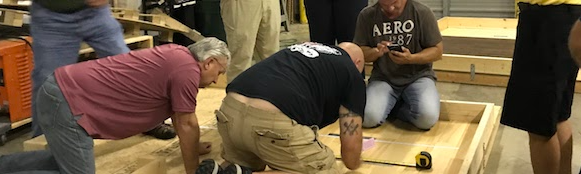
Long-Term Career Stability in a Growing Industry
The flooring industry is expanding. New materials, new installations, new technologies and new problems. The demand for expert inspectors is rising faster than the supply. With international certification from IFCII, you can build a career that stands out globally.
Certification provides the expertise and credibility needed to succeed in complex flooring evaluations and to build a successful career in one of the industry’s most essential roles.