

Floor failure legal cases often depend on one critical factor: credible and technical evidence. Whether the issue involves buckling hardwood, delaminating laminate, or adhesive failure in luxury vinyl, attorneys rely on certified flooring inspectors to establish facts that stand up in court. If you are an attorney, insurance adjuster, or claims professional, understanding why certified inspectors matter can directly impact case outcomes. Learn about the legal, technical, and strategic reasons behind their role and how they influence flooring litigation. 
What Are Floor Failure Legal Cases?
Floor failure legal cases involve disputes where the flooring does not perform as expected. These issues often arise due to installation errors, manufacturing defects, moisture-related damage, subfloor problems, or improper maintenance practices. As a result, these situations frequently lead to legal claims such as breach of contract, construction defects, product liability, and insurance disputes, all of which require careful evaluation to determine the true cause of the failure. The challenge? Determining causation. Flooring failures often have multiple contributing factors, making expert analysis essential. “These types of disputes often require independent evaluation, especially when responsibility is unclear. In many cases, flooring inspectors play a key role in resolving conflicts between parties, as explained in How Flooring Inspectors Help Resolve Installer–Homeowner Disputes.’’
Why Attorneys Use Certified Flooring Inspectors
1. Establishing Objective, Defensible Evidence
Certified inspectors are trained to follow standardized inspection protocols, which promotes a consistent and well-documented approach to evaluation. Their reports typically include detailed observations of site conditions, environmental readings such as moisture levels, installation assessments, and material evaluations. While these factors strengthen the overall quality of the findings, their acceptance in legal settings ultimately depends on how well the methods and conclusions hold up under legal scrutiny. This level of thorough documentation allows attorneys to rely on documented findings rather than assumptions.
2. Identifying Root Cause (Not Just Symptoms)
Flooring failures are rarely straightforward, as the visible issue is often not the true cause. For example, warping may result from moisture intrusion rather than a product defect, adhesive failure can stem from improper surface preparation, and tile cracking may indicate subfloor movement. A certified inspector approaches these situations through forensic flooring analysis, using field testing methods such as in-situ relative humidity (ASTM F2170), calcium chloride testing (ASTM F1869), substrate evaluation, bond strength testing, and detailed visual or microscopic inspection. This comprehensive process enables attorneys to accurately identify the root cause and assign liability, which is especially important in complex cases involving multiple parties. ‘‘These evaluations rely on specialized tools and equipment designed for accurate field analysis. A closer look at the Essential Tools Used by Flooring Inspectors helps explain how these tools support reliable findings.’’ 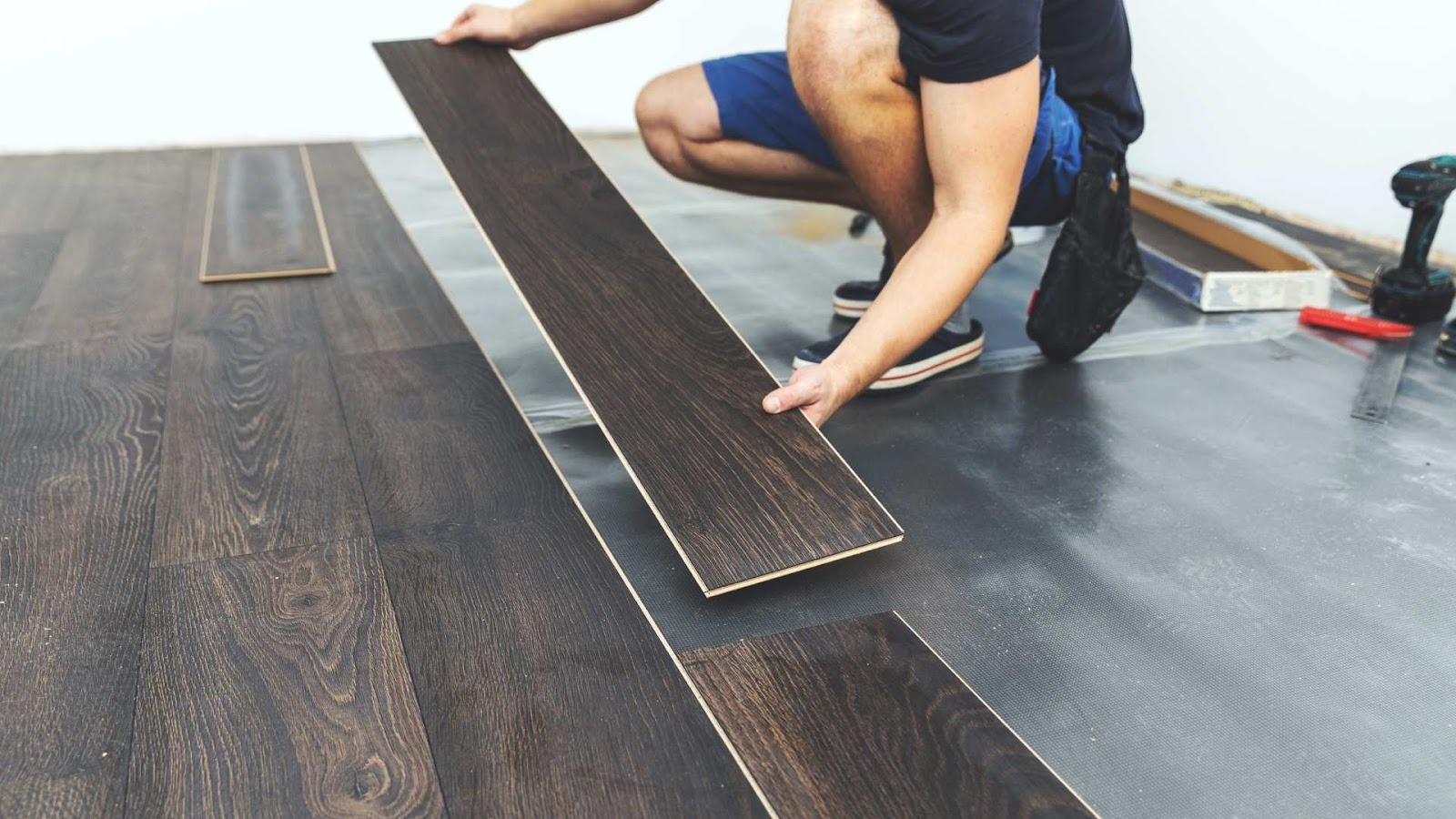
3. Producing Litigation-Ready Reports
Not all inspection reports are equal, especially in legal settings where documentation must be clear, well-structured, free from bias or speculation, supported by solid evidence, and easy for non-technical audiences to understand. Certified inspectors are trained in professional report writing, which ensures their findings are presented in a way that can withstand cross-examination, respond effectively to expert challenges, and hold up under judicial scrutiny. Expert Tip: Flooring Inspectors with formal training in report writing are often more effective witnesses because their documentation aligns with legal standards.
4. Serving as Expert Witnesses
In many cases, certified flooring inspectors serve as expert witnesses, where their role involves explaining technical findings in court, providing depositions, and supporting or challenging opposing expert claims. Their credibility is built on a combination of certification, formal training, hands-on field experience, and adherence to established industry standards. Because of these qualifications, attorneys often prefer certified professionals. However, in court, expert testimony is evaluated based on factors such as methodology, relevance, reliability, and the expert’s ability to clearly explain their findings under standards like Daubert or Frye. Certification can support credibility, but it does not, on its own, determine admissibility.
5. Reducing Case Risk and Cost
Hiring a certified inspector early in the process can help clarify the underlying issues and provide a more informed basis for decision-making. In some cases, a well-documented inspection report may support earlier discussions between parties and contribute to more efficient case progression. However, inspection findings can also introduce additional complexities, particularly in disputes involving multiple potential causes or responsible parties, where further expert analysis may still be required. 
What Sets a Certified Flooring Inspector Apart
Certification is more than a title. It reflects formal training in flooring systems and failure analysis, hands-on inspection experience, a strong understanding of industry standards and testing methods, and the ability to produce clear and reliable documentation and reports. Flooring inspector training programs like those offered by IFCII (Institute for Floor Covering Inspectors International) emphasize:
- Multi-surface expertise (carpet, hardwood, laminate, tile, luxury vinyl)
- Real-world defect analysis
- Step-by-step inspection procedures
- Report-writing skills aligned with legal expectations
In addition, some specialized courses focus on areas directly relevant to floor failure investigations, such as carpet and hard surface inspector certification, luxury vinyl flooring inspection, laminate inspection training, and professional report writing. As inspectors progress, they may take a Flooring Expert Witness Course to build the knowledge required for legal and expert witness work. This type of structured training ensures inspectors are prepared not just for field assessments, but for situations where their findings may be reviewed, challenged, or relied upon in litigation.
Key Qualities Attorneys Look For in Flooring Experts
When selecting a certified flooring inspector, attorneys prioritize:
| Category | What Attorneys Look For |
| Technical Competence | Strong understanding of flooring systems and materials, along with familiarity with installation standards |
| Forensic Approach | Ability to investigate cause and effect using proper testing methodologies |
| Communication Skills | Clear and concise reporting, with the ability to explain findings to non-technical audiences |
| Credibility | Recognized certification and, ideally, prior courtroom or expert witness experience |
Final Thought
Floor failure legal cases depend on clear, factual, and defensible evidence. Certified flooring inspectors often play an important role by identifying root causes, conducting proper testing, and producing reliable reports. Attorneys use these experts not just for technical insight but to strengthen legal arguments, support claims, and improve case outcomes. Without expert inspection, flooring disputes often become unresolved conflicts driven by assumptions rather than facts.