
Imagine this for a moment: You’re standing on a newly installed floor. It looks perfect at first glance—but something isn’t right. Maybe the tiles are cracking, the wood is cupping, or the carpet is rippling. The big question is why did it fail? This is where a floor inspector steps in. Floor inspectors don’t just look at floors—they solve problems, protect investments, and help homeowners, builders, and manufacturers avoid costly mistakes. If you’re planning to become a certified floor inspector, one big decision comes first: Should you choose online floor inspector training or classroom-based training? Both options have their benefits. The right choice depends on your learning style, schedule, experience level, and career goals. In this article, we’ll break it all down in simple terms so you can make a confident decision. 
Floor Inspector Training Requirements
Professional flooring inspectors must master a wide range of competencies, including material science, installation standards, failure analysis, documentation, and expert reporting. Training must align with recognized industry standards and prepare inspectors to operate confidently in real-world dispute scenarios. Effective programs emphasize:
- Hands-on diagnostic skills
- Interpretation of manufacturer guidelines
- Compliance with ASTM and industry standards
- Clear, defensible inspection reporting
- Ethical and professional conduct
The delivery format, online or classroom, shapes how these competencies are acquired and applied. Industry-recognized organizations such as IFCII (International Floor Covering Inspectors Institute) have helped define these core objectives by aligning inspector education with manufacturer standards, legal expectations, and real-world inspection demands.
What Is Online Floor Inspector Training?
Online floor inspector training is typically delivered through live virtual classrooms or structured digital modules. Programs may include real-time instruction, downloadable reference materials, virtual demonstrations, and interactive case studies.
Characteristics of Online Training
- Live Instructor-Led Sessions: Real-time interaction with experienced instructors allows immediate clarification, discussion of complex inspection scenarios, and guided learning similar to a physical classroom.
- Digital Standards Access: Learners receive instant, organized access to current industry standards and reference materials, ensuring inspections and reports align with accepted professional guidelines.
- Structured Remote Learning: Professionally designed online programs follow a clear, step-by-step curriculum that builds technical knowledge, inspection methodology, and reporting skills in a logical sequence.
- Flexible Scheduling: Training schedules are designed to accommodate full-time work, enabling professionals to advance their credentials without disrupting existing business or employment commitments.
- Recorded Session Access: Session recordings allow participants to revisit complex topics, reinforce learning, and ensure long-term retention of inspection procedures and technical concepts.
Online training has gained widespread adoption due to accessibility and efficiency, particularly for professionals balancing work, travel, or geographic constraints. Related Articles:
- How to Become a Flooring Inspector
- How to Choose the Best Floor Inspection Certification Course
- Why Becoming a Certified Flooring Inspector Is a High-Demand Career

What Is Offline (Classroom) Floor Inspector Training?
Classroom floor inspector training is conducted in physical locations where students and instructors engage face-to-face. These programs often include practical demonstrations, material handling, and collaborative discussions.
Characteristics of Classroom Training
- Expert-Led Classroom Lectures: In-person instruction from industry professionals provides authoritative guidance and practical insights drawn from real inspection experience.
- Hands-On Materials and Tools: Direct access to flooring samples and inspection tools enhances understanding of material behavior, installation methods, and failure patterns.
- Group Case Analysis: Collaborative review of real inspection cases strengthens analytical skills and exposes learners to multiple professional perspectives.
- Immediate Instructor Feedback: Real-time correction and guidance during exercises improve accuracy, technique, and confidence.
- Immersive Training Schedule: Structured, focused classroom environments promote concentrated learning and faster skill development.
Classroom training has long been considered the traditional pathway for technical certification. 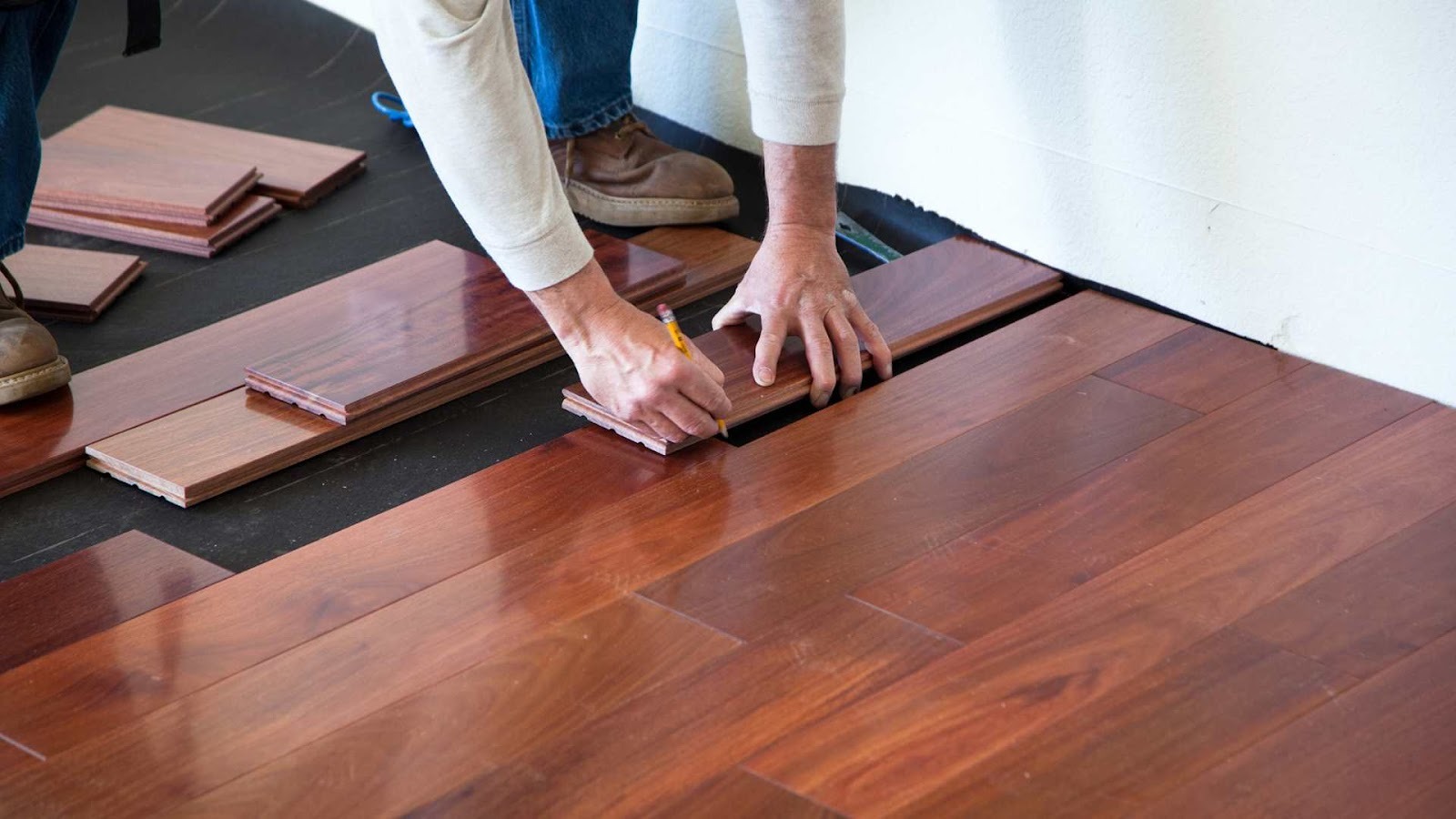
Factors to Consider When Comparing Floor Inspector Training Programs
Selecting the right floor inspector training program requires evaluating multiple professional and practical factors that directly influence long-term success. Considerations such as technical depth, hands-on exposure, accessibility, industry recognition, and overall return on investment play a critical role in determining how well a program prepares inspectors for real-world challenges, professional credibility, and sustained career growth.
1. Learning Depth and Technical Mastery
Online Training: Structured Knowledge with Remote Application
High-quality online programs deliver in-depth technical instruction using detailed visual aids, annotated diagrams, and real-world case studies. When live instruction is included, participants benefit from real-time interaction, guided discussions, and expert explanations. Advanced online formats allow inspectors to:
- Analyze complex failure scenarios
- Review photographic evidence in detail
- Apply standards methodically
- Revisit challenging concepts multiple times
When designed correctly and supported by prior industry experience, mandatory field-based assignments, and rigorous assessment, online training can achieve a level of technical depth comparable to in-person instruction for experienced flooring professionals.
Classroom Training: Physical Interaction and Immediate Demonstration
Classroom training excels in tactile learning. Inspectors can physically examine flooring materials, adhesives, and substrates. This sensory engagement can accelerate comprehension for certain learners. Immediate demonstrations allow participants to:
- Observe material behavior firsthand
- Practice inspection techniques under supervision
- Engage in spontaneous technical discussions
Both formats can deliver strong technical mastery when supported by experienced instructors and updated curricula.
2. Hands-On Experience and Practical Skills
Online Training and Practical Skill Development
Contrary to outdated assumptions, modern online floor inspector training incorporates hands-on assignments performed in real-world environments, requiring participants to apply inspection methods directly in the field. Trainees complete site-based exercises, submit professional inspection reports, and receive detailed instructor feedback remotely. This approach promotes independent application of inspection techniques, real-site problem solving, and professional documentation discipline, while maintaining accountability through structured assessments. Online programs emphasize independent, field-based application, while classroom programs emphasize supervised, guided practice.
Classroom Training and Physical Demonstrations
Classroom settings provide immediate access to materials and tools. This format supports guided practice, particularly for those new to flooring systems. However, practical exposure is limited to controlled examples rather than actual field conditions. Real inspections still occur independently after training completion.
3. Flexibility and Accessibility
Online Training: Designed for Working Professionals
Online training offers unmatched flexibility. Inspectors can participate without interrupting business operations or personal commitments. Key advantages include:
- No travel or accommodation costs
- Global access to expert instructors
- Reduced time away from active projects
- Learning from familiar environments
This format is especially effective for experienced professionals expanding their credentials.
Classroom Training: Structured and Immersive
Classroom training requires fixed schedules and travel commitments. While immersive, it may be less practical for inspectors managing ongoing workloads. The structured environment benefits learners who prefer dedicated focus without external distractions.
4. Industry Recognition and Certification Credibility
The credibility of floor inspector training depends on the certification authority, not the delivery format. Industry recognition is driven by:
- Curriculum rigor
- Instructor qualifications
- Examination standards
- Reporting competence
- Professional ethics training
Well-established programs maintain equal recognition for both online and classroom graduates when assessments and standards remain consistent, as evidenced by the professional experiences shared by IFCII-certified inspectors. Note: However, in certain legal, insurance, or expert-witness contexts, documented hands-on classroom hours or supervised practical training may still be examined or preferred. Inspectors pursuing roles involving litigation support or formal testimony should consider how their training format and documentation align with these expectations. 
5. Cost Considerations and Return on Investment
Online Training Cost Efficiency
Online training programs significantly reduce overhead costs, resulting in lower tuition fees, the complete elimination of travel and accommodation expenses, and minimal time away from income-generating work. This cost-efficient structure allows professionals to pursue certification without disrupting existing business operations, ultimately improving return on investment while still maintaining strong, industry-recognized professional outcomes.
Classroom Training Investment
Classroom programs often involve higher overall costs due to travel, lodging, and time commitments. While valuable, the financial impact should be weighed against scheduling constraints.
6. Learning Style Compatibility
Choosing the right format depends on learning preferences:
- Online training suits self-motivated professionals who value flexibility and independent application.
- Classroom training benefits learners who thrive in structured, face-to-face environments.
Both formats demand discipline, engagement, and commitment to professional excellence.
7. Career Outcomes and Professional Readiness
Successful floor inspectors are defined by accuracy, objectivity, and reporting clarity. These outcomes depend on training quality, not location. Well-designed online and classroom programs both prepare inspectors to:
- Conduct defensible inspections
- Communicate findings clearly
- Meet manufacturer and legal expectations
- Build professional credibility
Continuous education and field experience ultimately shape long-term success.
Looking for Floor Inspector Certification Built on Industry Standards?
We are recognized for delivering industry-respected floor inspector training built on technical accuracy, inspection defensibility, and consistent reporting standards. Our programs are developed to align with manufacturer requirements, industry standards, and real-world inspection conditions, ensuring inspectors are prepared for professional scrutiny. We provide both live online training and in-person classroom instruction, offering flexibility without compromising educational rigor. Regardless of format, all participants are trained and evaluated against the same certification benchmarks, maintaining consistency, credibility, and industry acceptance. Our reputation is built on producing inspectors who deliver clear, accurate, and defensible inspection reports, the standard relied upon by retailers, manufacturers, insurers, and legal professionals.
Upcoming IFCII Training Programs
- Luxury Vinyl Flooring Inspection Course
- Carpet and Hard Surface Inspector Certification
- Online Report Writing Class
- Advanced Flooring Inspector Training
Contact Us For More Information 
Making the Right Choice
The decision between online vs. classroom floor inspector training should be guided by professional goals, learning preferences, and logistical realities. Both formats can deliver exceptional results when supported by comprehensive curricula and expert instruction. What matters most is choosing a program that emphasizes technical competence, industry standards, and real-world application.