

Professionals comparing training options often ask what truly separates IFCII’s flooring inspector certification from other programs on the market. The short answer comes down to depth, structure, and procedural rigor.
Many flooring inspector certifications focus on theory. Some emphasize installation basics. Others are limited to a single surface type. IFCII’s flooring certification model focuses on structured inspection procedures, forensic evaluation, and formal report writing.
If you’re a flooring professional, claims analyst, or contractor evaluating certification options, this guide explains exactly what sets IFCII apart and whether it fits your career goals.

How IFCII’s Flooring Inspector Certification Is Different from Other Programs
The program is designed specifically for professionals who evaluate carpet and hard surface flooring failures, not installers learning basic techniques.
Here’s where the structural differences begin:
1. Inspection-Focused, Not Installation-Focused
Many programs blur the line between installation training and inspection certification. IFCII’s structure is designed specifically for professionals who evaluate flooring failures, not those learning how to install products.
The curriculum focuses on:
- Step-by-step inspection procedures
- Failure analysis and forensic evaluation
- Field testing methods
- Documentation and structured report writing
- Professional ethics
This distinction matters because inspection requires analytical skills, not installation technique.
2. Foundational Multi-Surface Certification with Advanced Specialization Paths
Many certification providers separate training strictly by surface type, forcing professionals to complete multiple unrelated programs. In contrast, IFCII’s Carpet & Hard Surface Inspector Certification integrates multiple flooring categories into one structured foundation.
Inspectors are trained to evaluate carpet systems, hardwood flooring, laminate, resilient, and luxury vinyl materials, as well as related hard surface assemblies within a single cohesive program.
This integrated structure reflects real-world inspection assignments, where mixed flooring systems frequently exist within the same property and must be evaluated as part of a complete flooring environment rather than in isolation.
3. Hands-On Forensic Approach
Some flooring inspector certifications rely heavily on lecture-based instruction. In contrast, IFCII emphasizes applied inspection training that includes examining defective materials, conducting field tests, identifying installation errors, performing moisture testing, and evaluating subfloor conditions.
Training scenarios are structured to reinforce methodical inspection procedures, proper documentation, and objective analysis based on observable evidence.
‘The focus on practical inspection skills is supported industry-wide. Check out why hands-on training is essential in carpet inspector training for more examples of field-focused learning benefits.’
4. Structured Report Writing Training
A common misconception is that inspection success depends only on technical skill. In reality, poor report writing can undermine even accurate findings. Many programs barely address documentation.
IFCII includes structured training in:
- Inspection report formatting
- Evidence documentation
- Photo integration
- Technical wording
- Clear cause-and-effect analysis
Professionals practice preparing well-documented reports, a core requirement when working with insurance companies, attorneys, retailers, and manufacturers. This focus on inspection and report writing skills is a key differentiator.
5. Certification Is Not Contingent on Dues
Some organizations link certification status to annual membership payments. IFCII’s philosophy treats certification as an earned credential, similar to a college degree. It is obtained through training and testing, not maintained simply by paying dues.
Continuing education is encouraged and recognized, but certification is not structured as a subscription model. For many professionals, this adds long-term credibility and stability.
6. Recognition Across the Globe
Certified inspectors are active across the globe, giving the credential broader geographic recognition than many regionally limited programs.
This matters for professionals who work with insurance carriers, legal professionals, manufacturers, retailers, and contractors who expect standardized inspection procedures and defensible reporting.
A certification that is recognized across multiple markets supports professional mobility and strengthens credibility when handling claims, disputes, or technical evaluations beyond a single local area.
Note: When evaluating different programs, professionals often ask how to choose the right training path. Our guide on how to choose the best floor inspection certification course breaks down key factors to consider.
IFCII Certification Pathways and Specialized Courses
IFCII provides a structured range of flooring inspection courses designed to support professionals at different stages of their careers. Rather than offering a single generic certification, the training framework includes both foundational inspector certification and advanced specialization programs.
Training options include:
- Luxury Vinyl Flooring Inspection Course – Focuses on rigid core systems, click-lock assemblies, adhesive-related failures, dimensional stability issues, and moisture-related performance concerns commonly seen in modern resilient flooring.
- Carpet & Hard Surface Inspector Certification – A comprehensive program covering inspection procedures for carpet and hard surface flooring systems, with emphasis on failure analysis, field testing, and structured report writing for real-world inspections.
- NALFA Laminate Flooring Inspection Course – Concentrates on laminate product standards, failure diagnostics, surface wear evaluation, joint integrity issues, and structured inspection protocols specific to laminate systems.
- Advanced Flooring Inspector Training – Designed for experienced inspectors who want deeper analytical skills, expanded failure investigation techniques, and more advanced inspection methodology for complex claims.
- Online Report Writing Class – Dedicated to improving technical documentation, clarity, structure, and defensibility in professional inspection reports, particularly for insurance and dispute-related cases.
- Flooring Expert Witness Course – Intended for inspectors who may participate in litigation support, depositions, or courtroom testimony and need structured preparation for legal environments.
This tiered structure allows professionals to build a strong inspection foundation and then expand into specialized areas based on the types of assignments they encounter in the field. Rather than offering disconnected certifications, the course pathway supports progressive, long-term professional development within the flooring inspection industry.
Who Is IFCII Certification For?
This program is best suited for experienced flooring installers who are expanding into inspection work, as well as claims adjusters, technical analysts, retail technical personnel, independent inspectors, and contractors who handle dispute-related cases.
Because flooring inspection requires a solid understanding of installation standards, material behavior, and common failure patterns, it is generally less appropriate for complete beginners with no prior flooring industry experience.
How the Certification Process Works
While formats may vary (in-person or remote training), the structure typically includes:
- Fast-paced seminar covering carpet and hard surface inspections
- Step-by-step inspection procedures
- Hands-on defect analysis
- Field test instruction and practice
- Report writing exercises
- Testing and evaluation
The goal is professional readiness, not just course completion.
Real-World Application
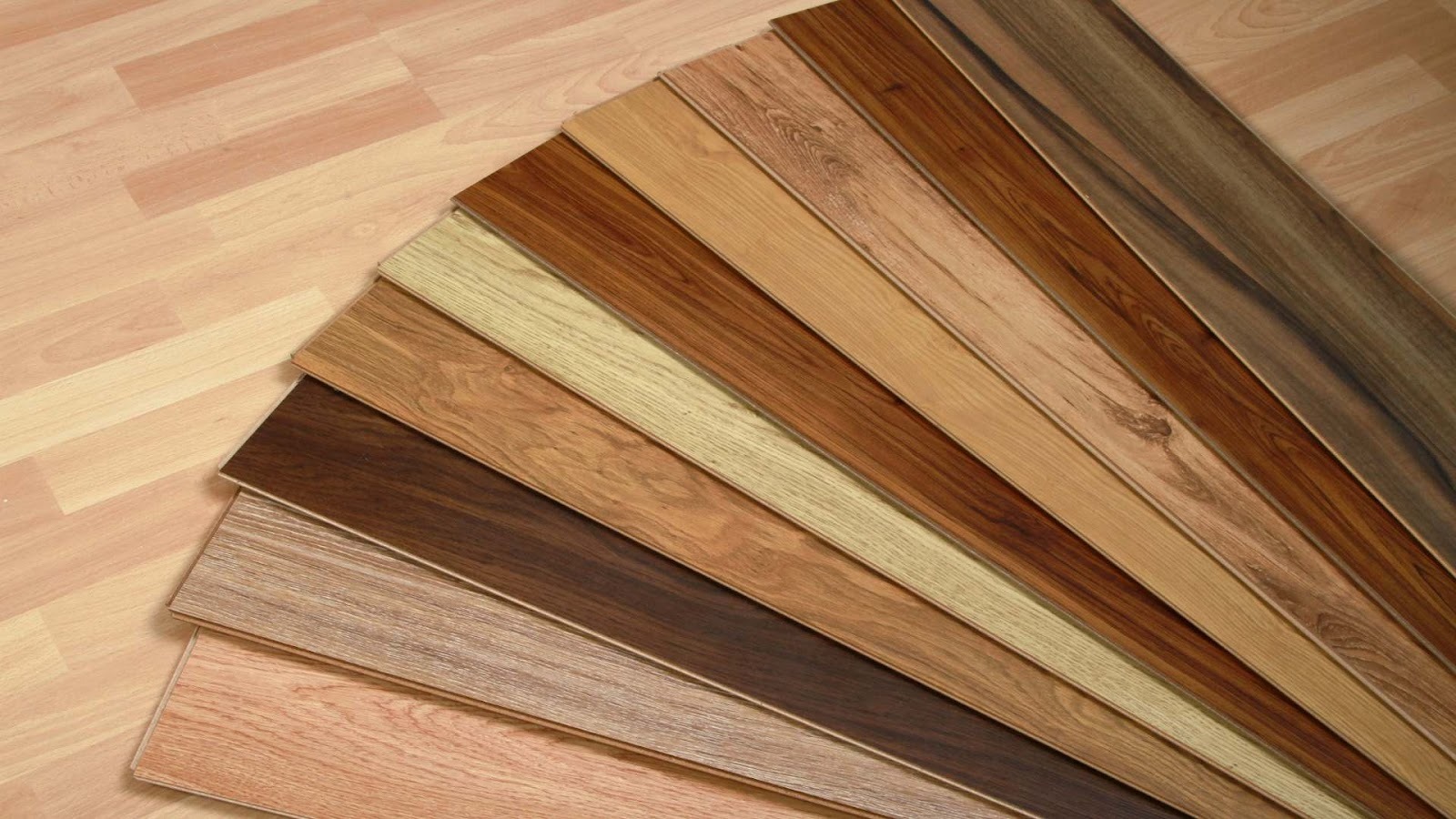
Imagine a residential claim involving buckling laminate flooring, moisture intrusion, and carpet seam separation occurring within the same property. An inspector trained in only one surface type might focus narrowly on a single material and overlook cross-material factors, such as subfloor moisture migration affecting multiple floor coverings.
A multi-surface, procedure-based certification equips inspectors to evaluate the entire flooring system as an interconnected environment rather than treating each symptom in isolation, leading to more accurate and defensible conclusions.
FAQs
Q1. Does IFCII require ongoing membership fees to keep certification?
Certification is earned through training and testing and is not structured as a pay-to-maintain subscription. Continuing education is encouraged to help inspectors stay current with industry standards and material developments.
Q2. Is report writing really that important?
Yes, in insurance and legal settings, documentation often determines credibility. Clear, well-supported, and defensible reporting is essential for professional inspections.
Q3. Are there specialized courses beyond the core flooring certification?
Yes, in addition to core flooring certification, advanced and surface-specific courses are available for professionals who want deeper expertise in areas such as luxury vinyl, laminate inspection, report writing, or expert witness preparation.