
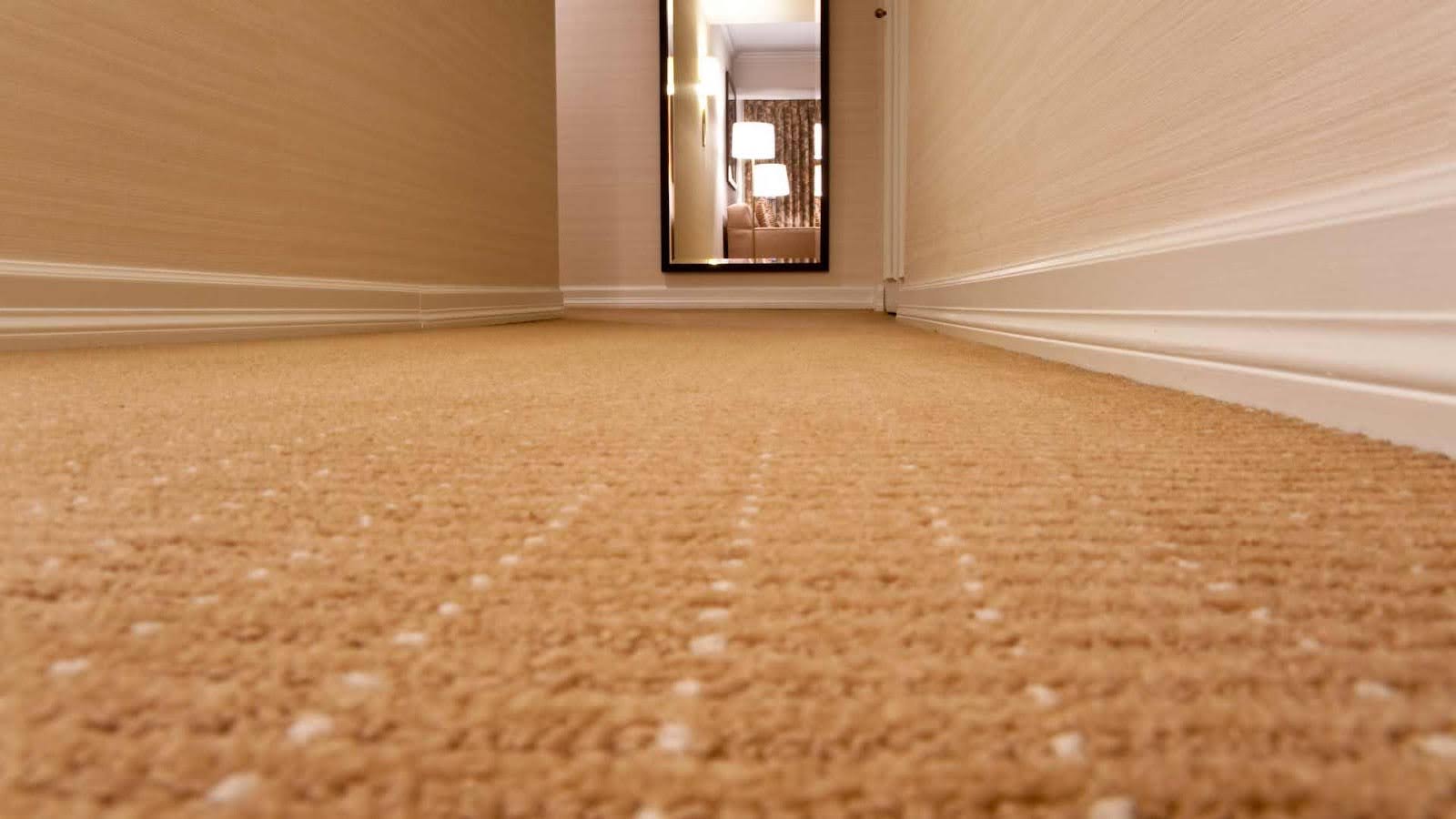
Carpet failures are rarely random. They leave patterns, physical indicators, and measurable evidence that must be systematically analyzed. Professional carpet inspection techniques rely on structured evaluation methods, repeatable testing, and defensible documentation to identify the true cause of failure.
For flooring professionals, claims adjusters, and inspectors, understanding these carpet inspection techniques is critical to determining not just what failed, but why it failed, and how to support that conclusion with objective evidence.
Core Carpet Inspection Techniques
This is where training becomes practical. Below are the most important techniques taught in professional carpet inspection programs.
1. Visual Inspection and Pattern Recognition
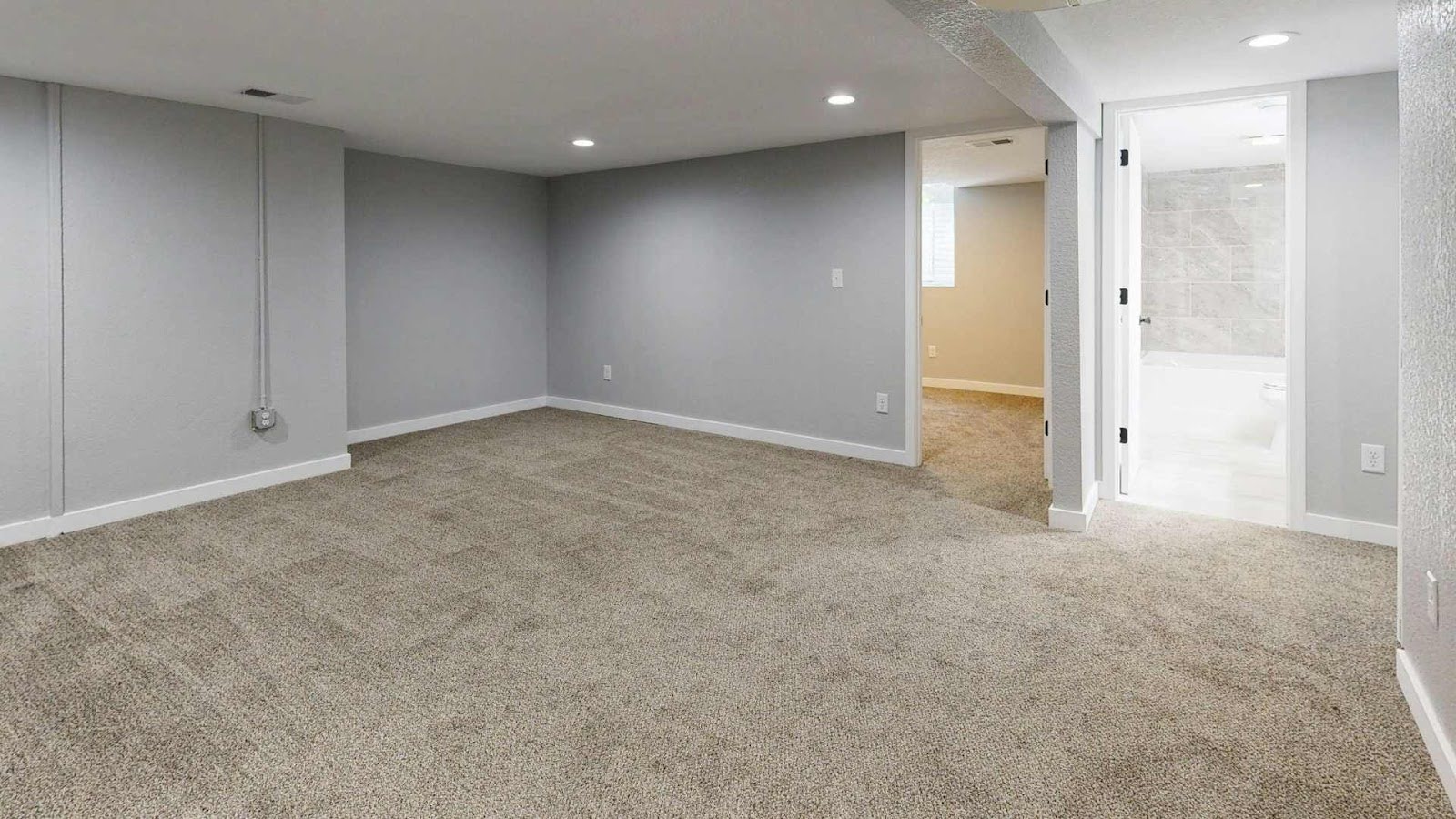
Every inspection begins with a disciplined visual assessment, which forms the foundation of accurate analysis. Inspectors differentiate between normal traffic patterns and premature wear, recognize issues like shading, pile reversal, and watermarking, and spot defects such as seam peaking, gaps, or fraying. You’ll also evaluate installation-related distortions that may affect the carpet’s appearance and performance. The most important skill developed at this stage is not just noticing defects, but correctly classifying them to determine their true cause.
Example: A darkened area may look like wear but could actually be pile distortion, which is not a defect.
2. Carpet Fiber and Construction Analysis
Not all carpets perform the same under everyday use. Fiber identification involves evaluating materials such as nylon, polyester, olefin, or wool, as well as the construction method, whether tufted or woven. Inspectors also assess density, twist, and face weight. Understanding these factors is essential, as they directly influence the carpet’s durability, appearance over time, and how it may fail under different conditions.
Understanding this helps answer critical questions:
- Is the issue due to product limitations?
- Or improper installation or maintenance?
This is a foundational part of carpet defect identification.
3. Moisture Testing and Subfloor Evaluation
Moisture is one of the leading causes of carpet failure, and understanding how to detect it is a key part of training. Moisture testing is required when discoloration, adhesive failure, or subfloor damage is suspected, using tools such as pin or pinless moisture meters. Inspectors also evaluate related factors, including subfloor conditions, padding saturation, and any signs of mold or adhesive breakdown. Mastering these assessments is essential for accurately analyzing carpet failures, particularly in insurance claims or legal disputes.
Related Articles:
- Why Hands-On Training Is Essential in a Carpet Inspector Training
- 5 Skills You’ll Learn in a Flooring Inspector Course
- How to Choose the Best Floor Inspection Certification Course
4. Seam and Installation Inspection Techniques
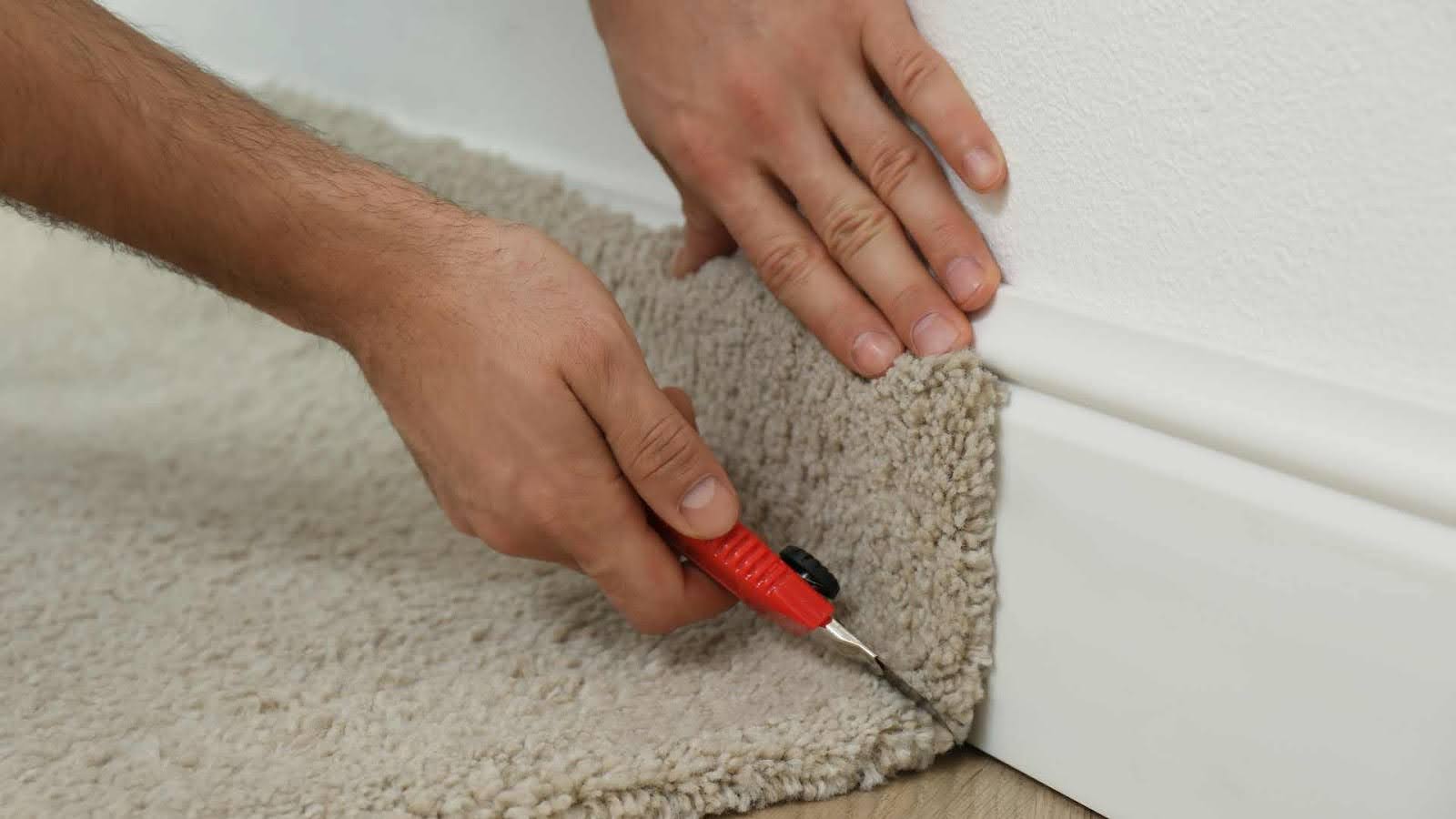
Carpet seams are one of the most common points of failure, which is why training focuses on how to assess them thoroughly. You’ll learn to evaluate seam integrity, adhesive bonding, proper seam placement, and issues related to heat versus pressure bonding, along with identifying risks of delamination. In addition, training helps you recognize poor installation practices such as improper stretching, inadequate tack strip use, and incorrect padding selection. These insights are essential for accurately distinguishing between installation-related defects and problems caused by the carpet material itself.
5. Tuft Bind and Adhesion Testing
Tuft bind testing is used to determine how securely carpet fibers are attached to the backing, making it a critical method in professional inspections. The test is typically performed in accordance with ASTM International methods such as ASTM D1335, which define the force required to extract yarn from the carpet backing. Results are then compared against industry-accepted thresholds to assess whether the carpet meets expected performance levels or indicates a manufacturing or material defect. This method is commonly applied in disputes involving fiber pull-out complaints or claims of premature wear, making it a key component of carpet testing procedures used in real-world inspection cases.
6. Odor and Contamination Assessment
Not all carpet issues are immediately visible, and inspectors are trained to detect hidden problems such as pet urine contamination, chemical odors, or mold-related smells. Training teaches you how to trace the sources of these odors, differentiate between surface-level and deep contamination, and document your findings objectively without speculation. Mastering these techniques is particularly important for residential inspections and insurance claims, where accurate detection and reporting can make a critical difference.
7. Backing and Delamination Analysis
Carpet backing failures can result in bubbling, wrinkling, or separation, and understanding these issues is a key part of training. You’ll learn to identify problems with primary versus secondary backing, recognize adhesive breakdown, and determine whether failures are caused by environmental factors or manufacturing defects. This aspect of carpet inspection highlights the intersection of practical inspection methods with the principles of material science, enabling inspectors to pinpoint the true source of the problem.
8. Documentation and Report Writing
Even a technically accurate inspection has little value without a clear and well-structured report. During training, you’ll learn how to organize professional inspection reports, use neutral and factual language, and support every conclusion with documented evidence. Just as importantly, you’ll be trained to avoid assumptions or bias, ensuring that your findings remain objective, defensible, and credible in real-world scenarios.
Tip: Many professionals underestimate this step. Programs like those offered by IFCII integrate hands-on report-writing practice that mirrors real inspection scenarios and enhances credibility in disputes.
How Inspections Are Performed in Real Scenarios
The best programs go beyond theory.
They include:
- Hands-on inspection exercises
- Examination of defective carpet samples
- Step-by-step inspection workflows
- Real-case scenario analysis
For example, structured programs such as IFCII’s Carpet & Hard Surface Inspector Certification expose students to actual damaged materials and field testing conditions, helping bridge the gap between knowledge and application.
Common Mistakes Training Helps You Avoid
Without proper training, inspectors often:
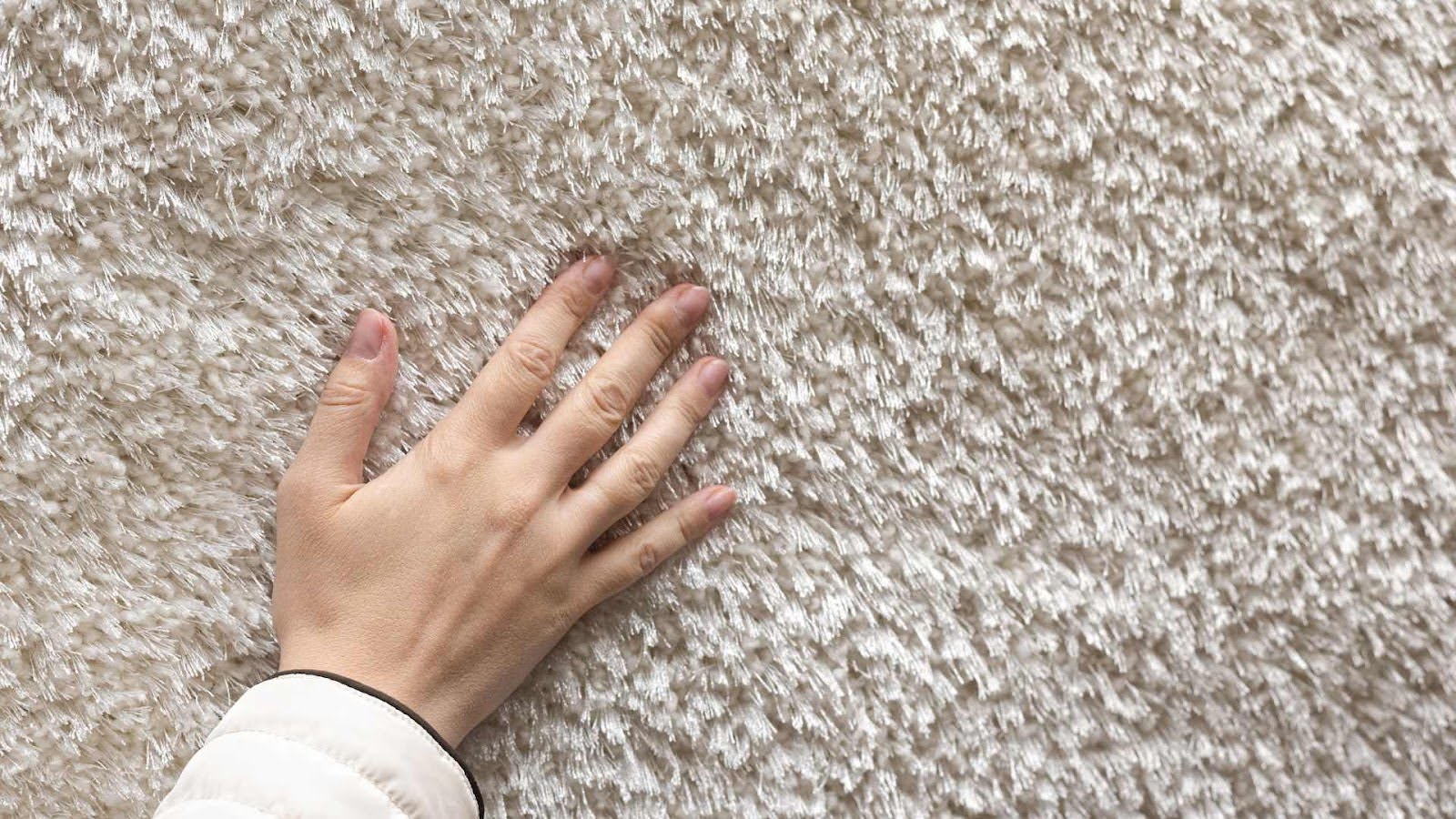
- Misidentify shading as wear
- Skip critical moisture testing
- Rely on assumptions instead of evidence
- Write vague or biased reports
Training eliminates these gaps by enforcing structured processes.
FAQs
Do I need prior experience to learn carpet inspection?
Not necessarily. Most flooring certification courses require no prior experience, but basic flooring knowledge accelerates understanding of inspection methods.
How long does it take to learn these techniques?
Core techniques can be learned in a few days of intensive training, but mastery comes with field experience and continued education.
What’s the best way to learn carpet inspection techniques?
Hands-on training is the most effective. Programs like IFCII’s carpet inspection training combine real material analysis, field testing, and report writing practice, which closely reflects real inspection work.