
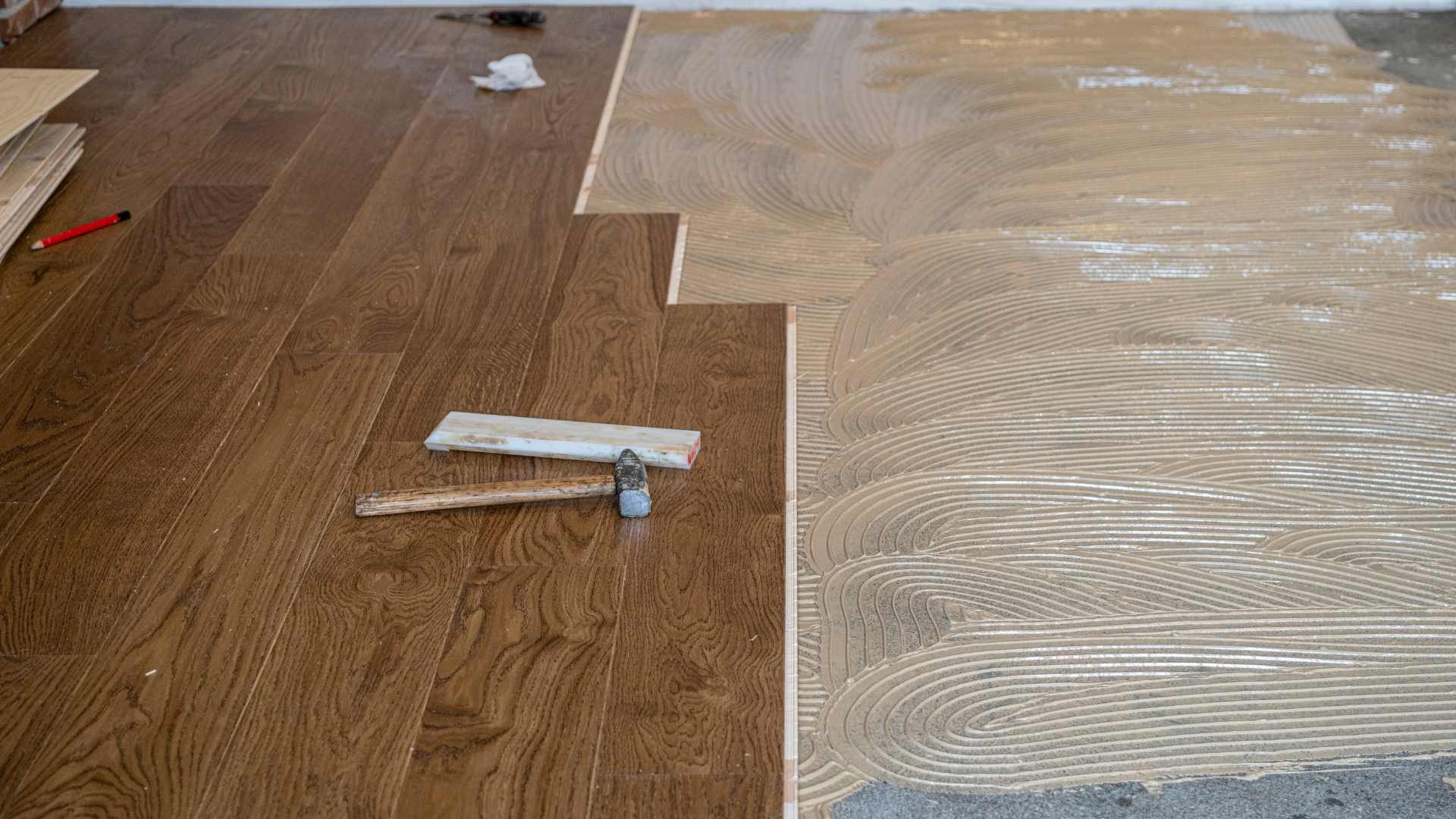
Floors are one of the most important parts of any property, and when something goes wrong, businesses need trained professionals to inspect the issue. That’s where floor inspectors come in.
Today, the flooring industry is growing quickly, and skilled floor inspectors are in demand across many industries. From homes and hotels to hospitals and commercial buildings, companies need experts who can identify flooring problems, inspect installation quality, and provide professional reports.
If you are thinking about starting a career in flooring inspection, taking professional floor inspector courses can open the door to many opportunities. In this article, we’ll explore the industries that hire floor inspectors and why this career path is becoming more valuable than ever.
Why Floor Inspectors Are in Demand
The construction and renovation industries continue to grow every year. New buildings, remodeling projects, and commercial developments all require flooring installation. When flooring problems occur, companies need trained professionals to inspect and evaluate the issue.
Some major reasons for increasing demand include:
- Rising construction projects
- Growing real estate markets
- Increased home renovations
- Expensive flooring materials require quality checks
- Insurance claims related to flooring damage
- Demand for professional inspection reports
This creates excellent career opportunities for trained floor inspectors.
Major Industries That Hire Floor Inspectors
Modern flooring systems involve more than surface materials alone. Flooring inspectors evaluate factors such as moisture conditions, installation quality, subfloor preparation, and material performance to help identify the cause of flooring failures and support accurate, unbiased reporting.
1. Construction and General Contracting
Residential Construction:
Residential builders and contractors frequently hire floor inspectors when problems appear during or after construction. Common concerns include hardwood cupping or warping, cracked tile, carpet delamination, laminate swelling, and luxury vinyl plank separation.
These evaluations often help identify whether the problem developed because of installation mistakes, excessive moisture exposure, poor subfloor preparation, product defects, or changing environmental conditions inside the property. In some situations, assessments are completed before project turnover to address deficiencies before homeowners move in.
Commercial Construction:
Commercial projects typically involve larger installation areas, stricter specifications, and heavier daily traffic than residential properties. Hospitals, schools, hotels, office buildings, and retail facilities may request professional evaluations when surface failures begin affecting safety, appearance, or operational performance.
In these environments, specialists may review failed moisture mitigation systems, adhesive bond breakdown, excessive wear patterns, substrate flatness issues, and compliance with project specifications.
Because commercial flooring failures can disrupt operations and create financial losses, contractors and facility managers often rely on detailed reporting to identify contributing factors and guide corrective action.
To learn how inspectors help resolve installation-related complaints and flooring disputes, read: How Flooring Inspectors Help Resolve Installer-Homeowner Disputes.
2. Flooring Manufacturing Companies
Flooring manufacturers also hire floor inspectors to evaluate product performance and investigate complaints.
When customers report flooring defects, manufacturers need inspectors to determine whether the issue is caused by:
- Manufacturing defects
- Installation mistakes
- Moisture problems
- Improper maintenance
Floor inspectors help manufacturers protect their reputation and improve product quality.
Manufacturers of these materials often need inspectors:
- Hardwood flooring
- Vinyl flooring
- Carpet
- Tile
- Laminate
- Engineered wood flooring
This industry can provide stable, long-term career opportunities.
3. Flooring Installation Companies
Flooring contractors and installation companies regularly hire inspectors to ensure their projects meet professional standards.
Inspection services help contractors:
- Avoid legal disputes
- Maintain customer satisfaction
- Improve installation quality
- Reduce callbacks and repairs
Some flooring companies even keep trained inspectors as part of their in-house team.
If you complete floor inspection training, you may also work directly with flooring installers and contractors.
4. Insurance Companies
Insurance companies and claims adjusters often rely on flooring specialists during property damage investigations involving water intrusion, flooding, plumbing leaks, fire damage, smoke exposure, or storm-related moisture events.
In insurance-related cases, evaluations may help determine:
- The extent of the surface damage
- The probable source of the failure
- Whether repair or replacement is appropriate
- If pre-existing conditions contributed to the issue
Accurate documentation is important because these findings can directly influence claim evaluations and settlement decisions.
5. Attorneys and Legal Professionals
Disputes involving flooring installation or material performance sometimes lead to legal action involving contractors, manufacturers, property owners, or insurance providers. Attorneys may hire floor inspectors to conduct technical evaluations and provide expert analysis during litigation, arbitration, or mediation.
These cases may involve construction defects, warranty disputes, contractor disagreements, insurance conflicts, or product liability claims. In some situations, experienced professionals may also provide expert witness testimony supported by field testing, technical documentation, and industry-standard procedures.
For more insight into how certified inspectors support legal flooring cases, read: Why Attorneys Hire Certified Flooring Inspectors in Floor Failure Cases.
6. Property Management Companies
Apartment complexes, commercial property managers, and facility management firms often use flooring inspectors to evaluate ongoing maintenance concerns and long-term surface performance across multiple properties.
Inspectors may assess:
- Premature wear in rental units
- Moisture damage caused by leaks
- Safety hazards
- Surface damage between tenants
- Installation quality during renovation projects
Because large property portfolios require durable materials that perform consistently over time, these evaluations are often used to support maintenance planning, reduce liability risks, and document existing conditions before repairs or tenant turnover.
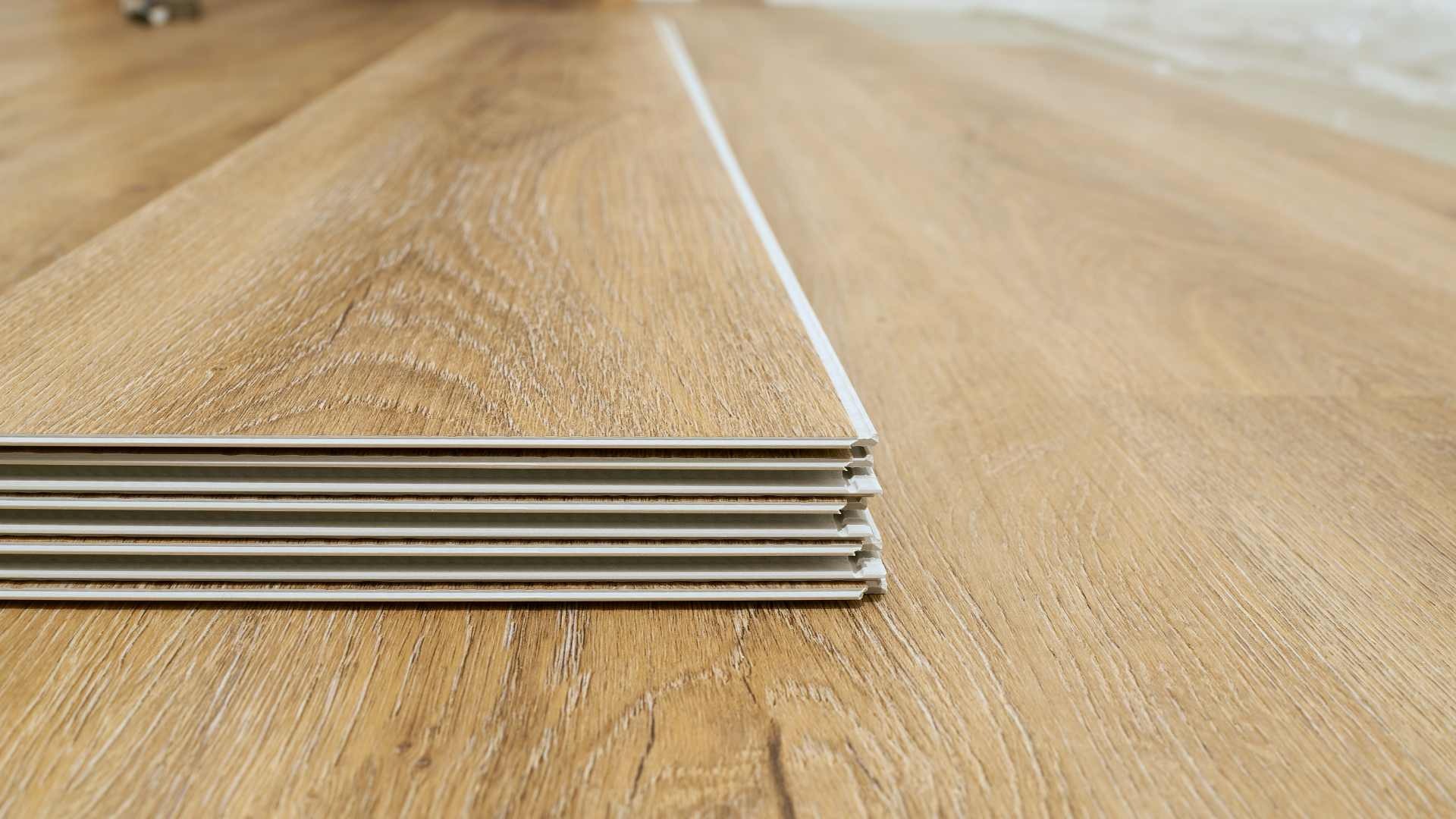
7. Government and Institutional Facilities
Government agencies and institutional facilities may hire flooring specialists for quality assurance reviews, condition assessments, and project verification. These properties can include schools, universities, healthcare facilities, military buildings, and other public-use structures.
Many government-funded projects require strict compliance with installation standards, specifications, and documentation procedures. Independent evaluations help verify workmanship quality, identify developing concerns, and reduce the risk of costly repairs or future liability issues.
8. Real Estate and Home Inspection Services
Although floor inspections differ from general home inspections, real estate professionals sometimes bring in flooring specialists when major concerns are discovered during property transactions.
Examples include:
- Uneven flooring
- Tile tenting or cracking
- Hardwood movement
- Moisture-related staining
- Suspected structural or subfloor concerns
Compared to a standard property inspection report, a specialized flooring evaluation usually provides a more detailed analysis regarding the severity of the issue, likely causes, and potential repair requirements.
How Certification Helps Floor Inspectors Enter More Industries
Many industries prefer floor inspectors with formal training or certification because flooring failures can involve significant financial liability and technical disputes.
Professional flooring certification may help inspectors build credibility, expand their service offerings, improve opportunities for manufacturer-related inspection work, support expert witness work, and improve technical accuracy during inspections.
Organizations such as IFCII and other flooring inspection training providers offer certification programs covering carpet, laminate, hardwood, luxury vinyl, and other hard surface flooring systems.
The flooring training focuses on practical inspection procedures, defect identification, field testing methods, and professional report writing used during real-world flooring investigations.
Note: To explore the types of career paths available after flooring inspection training, read: Career Opportunities After Completing an Advanced Flooring Course.
Final Thought
Floor inspectors are hired across a wide range of industries, including construction, manufacturing, insurance, legal services, property management, restoration, and commercial facilities management.
As flooring systems become more technical and disputes become more documentation-driven, industries increasingly rely on trained inspectors to identify the source of flooring-related problems and provide objective analysis.
Inspectors with specialized knowledge, strong reporting skills, and recognized certification often have opportunities to work across multiple sectors rather than within a single niche.