
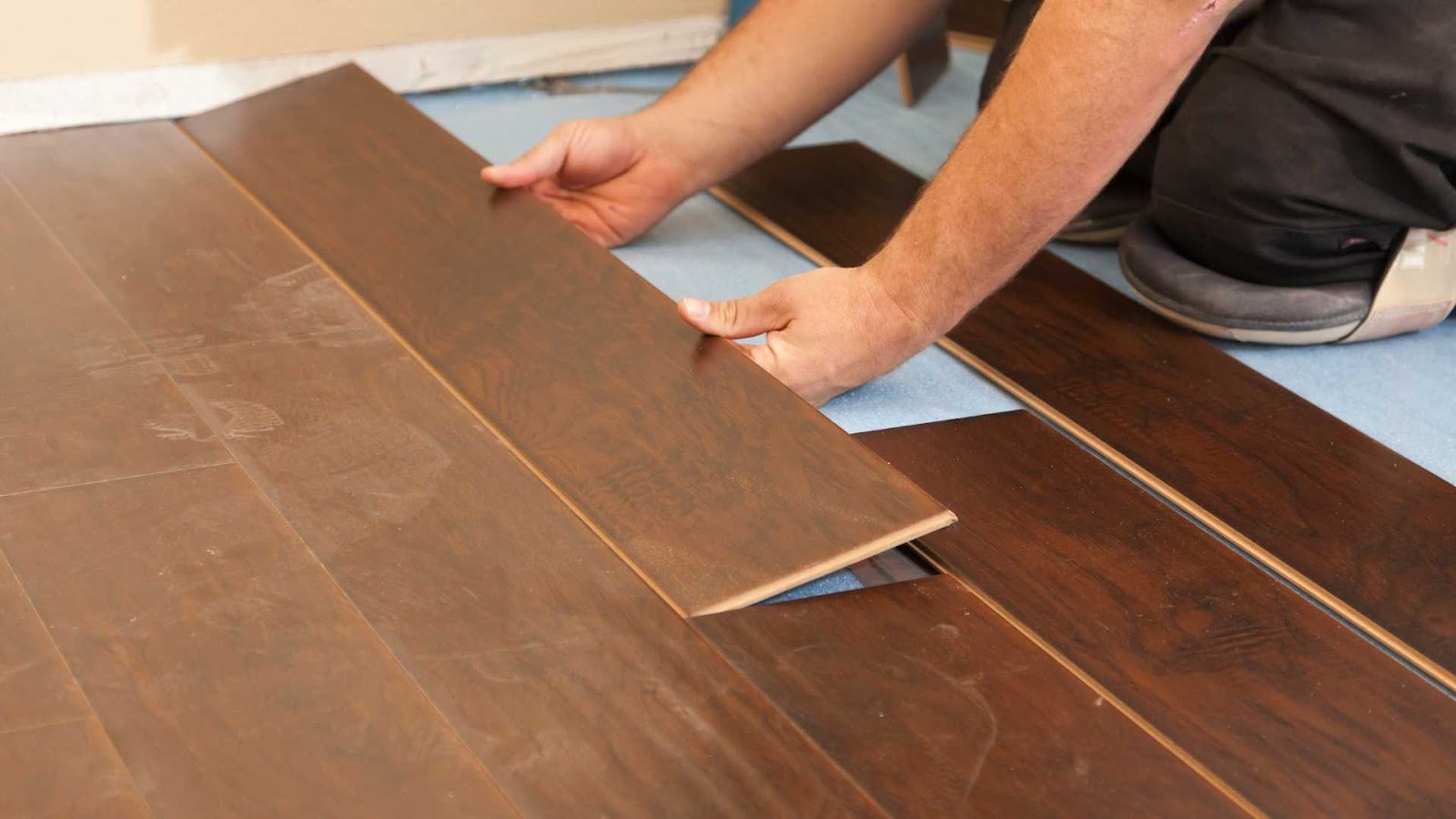
This guide answers those questions directly. It explains what an advanced flooring course is, why it matters in today’s market, how it works, and the real-world roles you can pursue afterward.
What Is an Advanced Flooring Course?
An advanced flooring course is a professional training program that goes beyond basic installation skills and focuses on flooring inspection procedures, material failure analysis, installation standards, moisture testing methods, subfloor evaluation, professional report writing, and industry compliance and ethics.
Unlike entry-level training, advanced programs emphasize hands-on inspection practice, real defect evaluation, and structured documentation methods used in field investigations. These courses are typically aligned with current industry standards and may lead to professional flooring inspector certification.
Why Career Opportunities After Completing an Advanced Flooring Course Expand Significantly
The flooring industry has grown in complexity. Materials such as luxury vinyl flooring (LVT), engineered hardwood, laminate systems, and hybrid composites require precise installation and evaluation.
When problems arise, such as cupping, buckling, adhesive failure, or moisture intrusion, a qualified professional must determine the root cause, responsibility, and appropriate corrective action.
- Was it a product defect?
- Was it an installation issue?
- Was it environmental damage?
- Was it maintenance-related?
This growing demand has created specialized roles in flooring inspection services, construction consulting, warranty claims analysis, insurance loss investigation, and independent inspection businesses.
An advanced course positions professionals to move beyond physical installation work and into analytical, higher-responsibility roles that require technical evaluation, documentation, and expert-level decision-making.
Who Is an Advanced Flooring Course For?
An advanced flooring program is ideal for experienced installers who want to transition into inspection, contractors seeking greater authority in dispute resolution, claims adjusters handling flooring-related losses, retailers who need stronger technical expertise, and individuals pursuing a new full-time or part-time career path.
It is especially valuable for professionals seeking long-term stability and growth beyond physically demanding labor roles.
Top Career Opportunities After Completing an Advanced Flooring Course
Advanced certification opens the door to higher-level roles beyond installation and basic inspections. Career paths include certified flooring inspector, independent inspection business owner, warranty claims specialist, expert witness and litigation consultant, commercial flooring consultant, and technical trainer or industry educator.
1. Certified Flooring Inspector
A certified flooring inspector evaluates carpet and hard-surface flooring failures through a structured and professional process. This includes conducting on-site inspections, performing moisture testing, assessing subfloor conditions, analyzing potential material defects, and preparing formal inspection reports.
Inspectors may work independently or contract with manufacturers, retailers, attorneys, or insurance companies to provide objective findings. This role is one of the most direct and practical career outcomes of completing an advanced flooring course.
2. Independent Inspection Business Owner
Many professionals use advanced certification as a stepping stone to start their own flooring inspection services business.
How it works:
- Complete advanced flooring certification
- Gain field experience
- Develop standardized reporting templates
- Build relationships with contractors and attorneys
- Establish professional liability coverage
This path offers flexibility and scalability. Some inspectors operate part-time; others build full-time consulting practices.
3. Warranty Claims Specialist
Flooring manufacturers often hire trained inspectors to investigate product claims, verify installation compliance, identify production-related issues, and provide technical guidance to dealers. Professionals with expertise in hardwood characteristics, tile standards, and natural material variations are especially valuable in these roles.
Advanced coursework that covers natural wood flaws, stone behavior, and precision measurement methods directly supports the technical demands of manufacturer field investigations and reporting.
4. Expert Witness & Litigation Consultant
Advanced flooring inspectors are sometimes retained in legal disputes involving construction defects, builder warranty claims, insurance disputes, and commercial project failures. In these situations, inspectors provide detailed evaluations, documented findings, and expert analysis to help determine the cause of flooring issues and clarify responsibility.
How It Works
Attorneys require inspectors who:
- Understand industry standards
- Can defend measurements
- Provide clear technical testimony
Without advanced training in reporting practices and verification methods, it is difficult to qualify for this level of work.
5. Commercial Flooring Consultant
Large commercial flooring projects require experienced oversight to ensure installations meet industry standards and performance expectations. Advanced-certified professionals may serve as third-party quality control inspectors, commercial project consultants, or risk mitigation advisors.
In commercial environments, even minor installation errors can result in significant financial losses, delays, or legal disputes. This is where advanced knowledge of gap measurement averages, moisture verification, proper tool usage, and installation defect analysis becomes essential for delivering accurate evaluations and preventing costly mistakes.
6. Technical Trainer or Industry Educator
Experienced inspectors sometimes transition into roles such as teaching inspection courses, hosting professional workshops, advising installation teams, or developing internal compliance programs for companies.
Advanced knowledge and certification create opportunities that extend beyond fieldwork, allowing professionals to contribute through education, consulting, and industry leadership.

How Does the IFCII’s Advanced Flooring Inspector Training Work?
The Advanced Hardwood, Tile & Stone Certification Course is structured to move experienced professionals from general knowledge to advanced inspection capability in a focused, real-world format. Rather than lecture-only learning, the program emphasizes practical application, measurement accuracy, and defensible reporting.
Step 1: Pre-Course Preparation
Participants are expected to have foundational flooring knowledge before attending. The course builds on existing experience and dives deeper into hardwood, ceramic tile, and stone systems, industry inspection standards, moisture principles and testing methodology, and installation variables in both residential and commercial environments.
This approach ensures that classroom time is focused on advancing technical skills and refining inspection expertise rather than reviewing basic concepts.
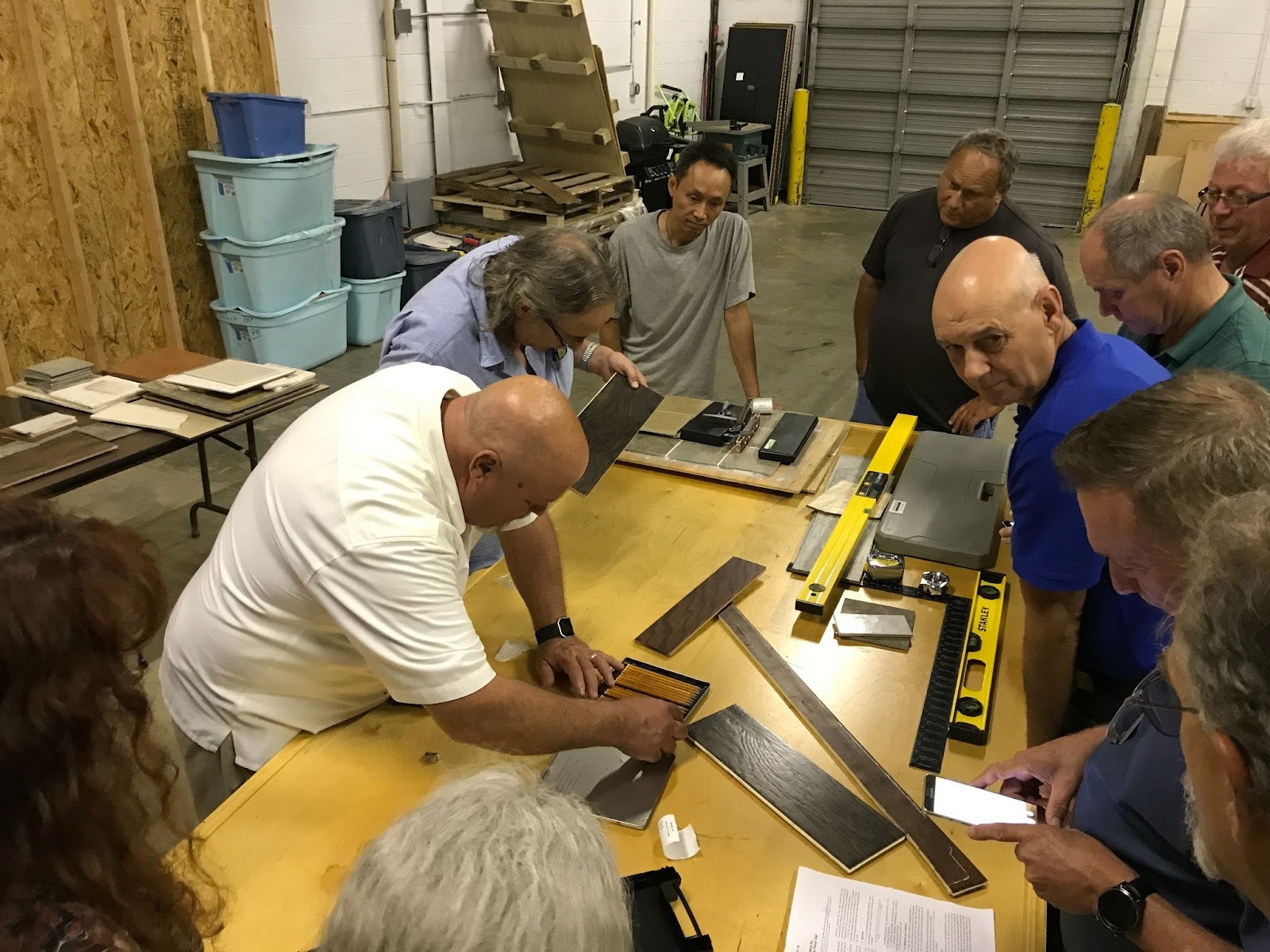
Step 2: Intensive Hands-On Inspection Training
The core of the program is practical, scenario-based training. Participants actively perform:
- Hardwood flooring inspection techniques
- Tile and stone failure analysis
- Moisture reading verification
- Precision board and gap measurements
- Tool usage validation
- Establishing measurement averages
- Identifying natural wood flaws vs. installation defects
- Concluding inspection reports with confidence
Training covers both commercial and residential flooring inspections, including wood flooring, ceramic flooring, and stone flooring systems.
Instructors guide students through real-world inspection scenarios, emphasizing how to prove measurement accuracy and distinguish between product-related issues and installation errors.
Step 3: Certification Assessment
Certification includes evaluation of technical knowledge related to hardwood, tile, and stone inspections, as well as proper inspection procedures, documentation quality, and reporting structure.
Participants are also assessed on their ability to support conclusions with verified measurements and accurate data. The goal is to ensure inspectors can produce clear, defensible reports that align with current industry standards.
Step 4: Professional Positioning & Work Opportunities
Training does not stop at certification. Graduates are positioned to transition into active inspection work through:
- Professional guidance from experienced instructors
- Ongoing industry support
- Opportunities to be listed on the IFCII website as a certified inspector
- Assistance connecting with manufacturers, retailers, and industry contacts seeking qualified inspectors
For professionals looking to move into full-time inspection work, this support structure helps bridge the gap between certification and real-world assignments.
⚠️ Important Note: This advanced certification course is offered only once per year, so early registration is recommended to secure your place.

When Should You Take an Advanced Flooring Course?
You should strongly consider pursuing advanced flooring certification at this stage of your career when you are ready to expand your expertise and take on greater professional responsibility:
- You want to move beyond installation into technical evaluation
- You want a higher earning potential
- You need credibility for dispute resolution
- You are seeking a less physically demanding role
- You want a long-term career shift
It is particularly strategic during periods of industry growth, when new materials such as LVT and hybrid floors introduce additional failure variables.
Common Misconceptions About Career Opportunities
Misconception 1: “Only Installers Can Become Inspectors”
Not true. While installation experience helps, professionals from construction, insurance, and retail backgrounds can succeed with proper training.
Misconception 2: “Basic certification is enough.”
Not for complex failure analysis. Advanced inspections require a deeper understanding of material science and measurement validation.
Misconception 3: “Inspection Is Easier Than Installation”
Inspection requires analytical skill, technical writing ability, and strict adherence to standards. It is different, not easier.
Building Inspection Careers Through IFCII
The International Certified Flooring Inspectors Institute (IFCII) is dedicated to providing structured, real-world training for flooring professionals who want to build credible inspection careers.
Our flooring inspector certification programs are designed around practical field application, measurement accuracy, industry standards, and defensible reporting practices for both residential and commercial environments.
In addition to our Advanced Flooring Inspector Training, we offer a range of specialized courses that support different stages of an inspection career:
- Luxury Vinyl Flooring Inspection Course
- Carpet and Hard Surface Inspector Certification
- Online Report Writing Class
- NALFA Laminate Flooring Inspection Course
- Flooring Expert Witness Course
Each course focuses on specific flooring systems or professional skills, allowing inspectors to expand their expertise in targeted areas such as laminate standards, litigation support, moisture analysis, or structured report writing.
Whether you are entering the inspection field or advancing into complex commercial and expert witness work, IFCII provides progressive training paths that align with evolving industry standards and professional expectations.
Contact Us for Course Information!

What This Means for Your Career
The real value of understanding career opportunities after completing an advanced flooring course lies in recognizing that the flooring industry needs technical evaluators, not just installers.
Advanced training provides structured inspection methodology, documentation skills, and professional credibility, allowing you to step into higher-responsibility roles with long-term growth potential.
Frequently Asked Questions
1. How long does it take to become a certified flooring inspector?
Most advanced courses range from several days of intensive training to multi-phase programs including pre-study and certification exams.
2. Do I need installation experience?
Installation experience is helpful, but structured hands-on training can bridge knowledge gaps for professionals from related fields and provide the practical understanding needed for inspection work.
3. Can advanced certification increase income?
It can expand the types of projects you qualify for, including commercial and litigation-related inspections, which often command higher fees.
4. How often are advanced courses offered?
Some programs, including IFCII’s Advanced Hardwood, Tile & Stone Certification Course, are offered annually, making early planning important.