
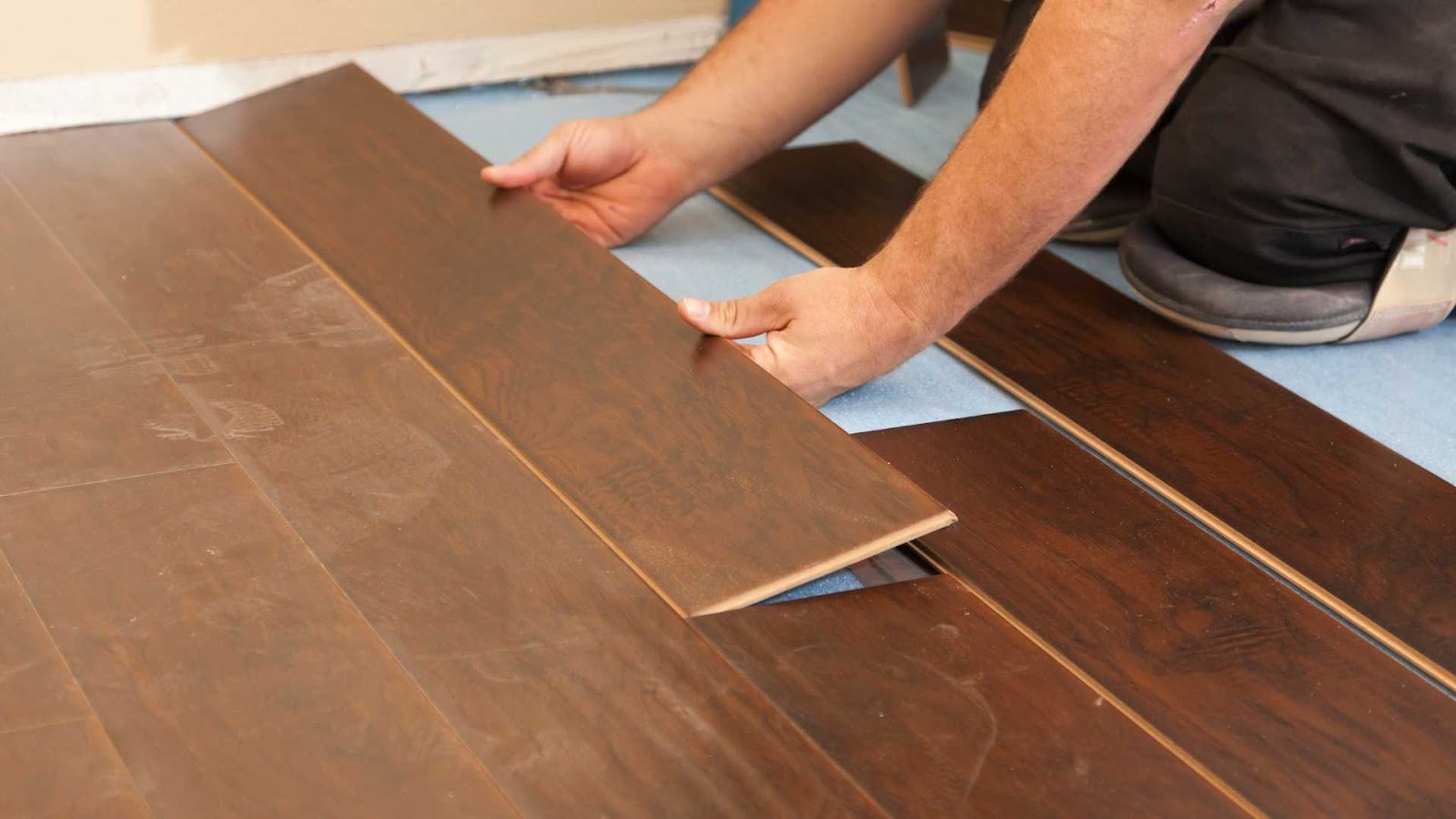
Entering the flooring inspection industry is an exciting step toward a highly specialized and in-demand career. Yet many new inspectors unknowingly make critical mistakes that compromise the accuracy of their reports, their professional credibility, and ultimately their long-term success.
Comprehensive flooring inspector training, especially through IFCII, one of the industry’s most respected certification bodies, helps new professionals avoid these costly pitfalls from day one.
Below, we outline the most common mistakes beginner flooring inspectors make and how proper training prevents them through expert methodologies, hands-on practice, and industry-standard procedures.
Role of a Certified Flooring Inspector
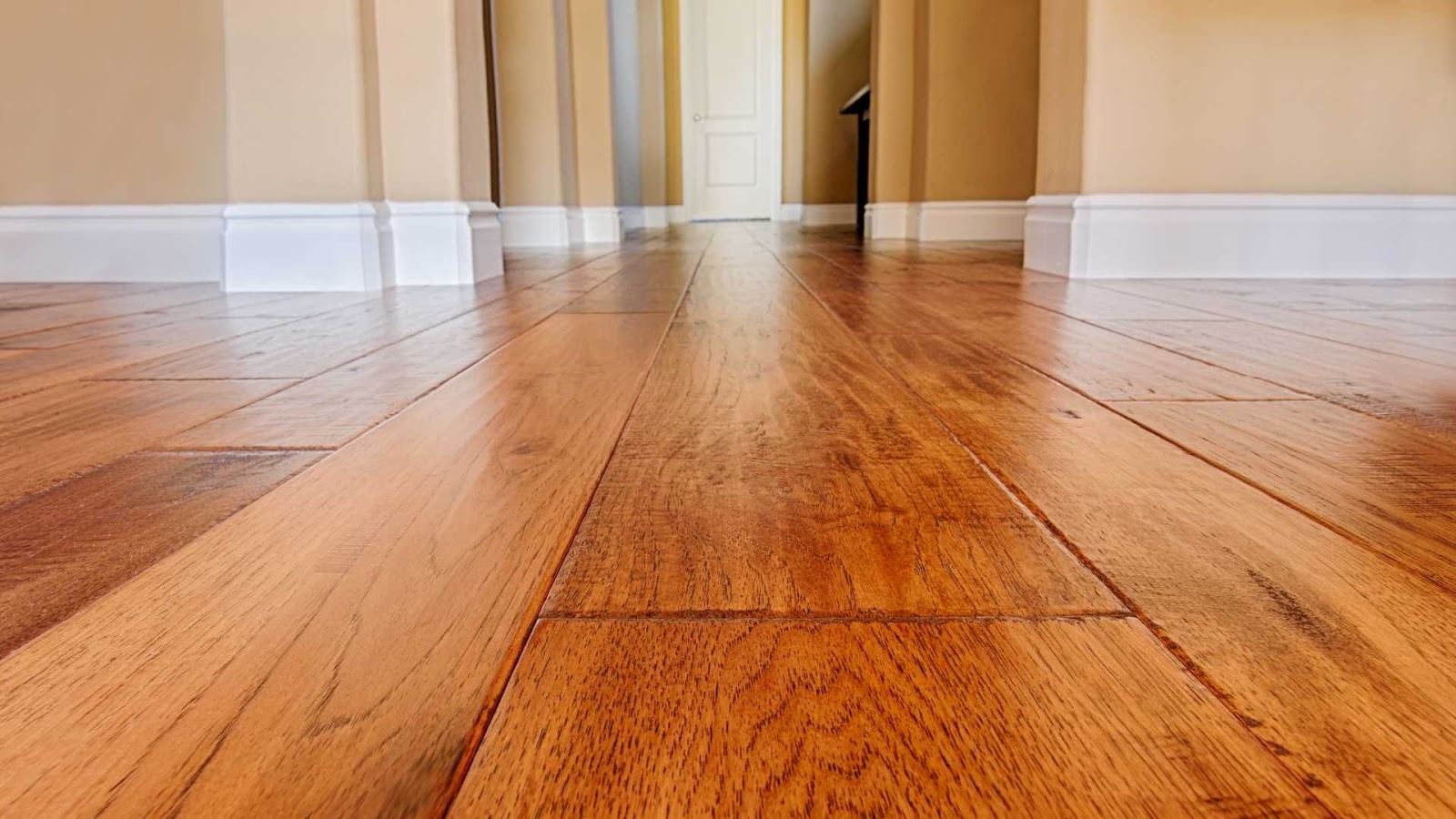
A certified flooring inspector is responsible for evaluating product quality, installation methods, environmental factors, and site conditions to determine the root cause of flooring failures. This role demands technical skill, deep product knowledge, and meticulous documentation.
Without formal inspector training, many new inspectors rely on guesswork, outdated techniques, or superficial assessment, leading to misdiagnosis, disputes, and lost reputation.
Frequent Challenges Faced by New Flooring Inspectors
New flooring inspectors often face challenges stemming from inexperience, a lack of technical understanding, or improper inspection methods. These mistakes can lead to inaccurate conclusions, disputes, and reduced professional credibility.
Below, we break down the most common errors beginners make and how proper training helps eliminate them.
1. Lack of Proper Inspection Methodology
New inspectors often rush into a job without following a structured inspection process, resulting in incomplete assessments.
Common Mistakes
- Skipping acclimation verification: Failing to confirm proper acclimation often leads to incorrect conclusions about movement, gaps, or buckling.
- Not interviewing key parties: Without speaking to installers, homeowners, or manufacturers, critical installation and jobsite details are often missed.
- Ignoring environmental conditions: Temperature and humidity directly affect flooring performance and must always be measured and documented.
- Relying only on visual inspection: Many flooring failures are hidden beneath the surface and require testing, not just observation.
How Training Prevents This
Professional certification programs such as IFCII’s nationally recognized Carpet and Hard Surface Inspector Certification teach a standardized inspection workflow, ensuring every step is documented thoroughly. Inspectors learn:
- How to follow ANSI, NWFA, IICRC, and ASTM procedures
- How to conduct full moisture mapping
- How to perform substrate evaluations
- How to document environmental readings accurately
Proper methodology results in consistent, defensible inspection reports backed by industry standards.
2. Misinterpreting Manufacturer Specifications
Flooring products vary widely in construction, tolerances, and installation requirements. Many new inspectors do not read or do not fully understand manufacturer specifications.
Common Mistakes
- Assuming all flooring behaves the same: Different materials and constructions respond uniquely to moisture, temperature, and installation methods.
- Misapplying installation tolerances: Using incorrect expansion gaps or flatness requirements often leads to avoidable flooring failures.
- Overlooking warranty exclusions: Many claims are denied because inspectors fail to recognize conditions not covered by manufacturer warranties.
- Ignoring required jobsite conditions: Installation outside specified temperature and humidity ranges compromises flooring performance.
How Training Prevents This
Through hands-on training, inspectors learn to:
- Interpret technical documents
- Identify relevant warranty language
- Compare product claims to real-world performance
- Recognize installation practices that violate manufacturer instructions
This prevents misdiagnosis and increases the inspector’s credibility in dispute resolution.
3. Failure to Use the Correct Tools and Instruments
Accurate inspection requires the right equipment. Untrained inspectors often rely on basic tools, missing critical data.
Common Mistakes
- Using moisture meters incorrectly: Improper meter settings or techniques lead to inaccurate readings and flawed conclusions.
- Not calibrating instruments: Uncalibrated tools compromise data reliability and weaken inspection credibility.
- Using the wrong meter for the product type: Different flooring materials require specific meters to obtain valid moisture readings.
- Not bringing enough diagnostic tools: Limited equipment restricts proper testing and can result in incomplete inspections.
How Training Prevents This
Certified programs provide instruction on:
- Hygrometer used for ambient conditions
- Pin vs. pinless moisture meters
- Thermo-hygrometers for RH and temperature
- Subfloor moisture tools
- Measurement protocols for each flooring type
Hands-on tool training improves accuracy and builds confidence.

4. Poor Documentation and Photography
A report is only as strong as the evidence behind it. Many new inspectors produce incomplete or unclear documentation.
Common Mistakes
- Taking poor-quality photos: Blurry or poorly lit images fail to clearly document conditions and reduce report credibility.
- Missing essential site details: Omitting room locations, dates, or environmental data weakens inspection findings.
- Not labeling photos: Unlabeled images create confusion and make it difficult to support conclusions.
- Poorly written summaries: Vague or unclear language undermines the authority of the inspection report.
- Inconsistent measurement notes: Irregular or incomplete data recording leads to unreliable analysis.
How Training Prevents This
Training programs teach inspectors to create clear, legally defensible documentation, including:
- Proper photo angles, lighting, and detail shots
- Accurate labeling and sequencing
- Templates for standardized reports
- How to write objective findings
- How to organize evidence clearly
Well-documented inspections prevent disputes and enhance professional trust.
Note: The impact of IFCII training is evident in the real-world success of our graduates, as reflected in testimonials from certified inspectors across the industry.
5. Jumping to Conclusions Instead of Analyzing Data
Beginners sometimes try to impress clients with quick answers, but premature conclusions often lead to incorrect assessments.
Common Mistakes
- Assuming the cause without testing: Conclusions must be supported by measurable data, not assumptions.
- Letting client opinions influence findings: Inspector bias compromises objectivity and report credibility.
- Overlooking environmental data: Temperature and humidity often play a critical role in flooring performance.
- Not considering multiple causes: Many failures result from a combination of factors, not a single issue.
How Training Prevents This
Through case studies and technical instruction, training teaches inspectors to:
- Analyze patterns and test results
- Separate symptoms from root cause
- Evaluate moisture, installation, and manufacturing factors collectively
- Use a scientific approach rather than assumptions
This creates balanced, unbiased conclusions that stand up to scrutiny.
Related Articles:
Why Becoming a Certified Flooring Inspector Is a High-Demand Career
New IFCII Carpet & Flooring Inspectors!
How to Become a Flooring Inspector
6. Not Understanding Substrate and Moisture Issues
Moisture is one of the leading causes of flooring failures, yet many new inspectors lack deep knowledge about it.
Common Mistakes
- Misinterpreting moisture meter readings: Incorrect interpretation leads to false conclusions about moisture-related failures.
- Not understanding vapor emissions: Moisture vapor movement from substrates can damage flooring if not properly evaluated.
- Ignoring substrate flatness: Uneven substrates contribute to movement, deflection, and premature flooring failure.
- Overlooking concrete curing timelines: Installing flooring before concrete fully cures increases the risk of moisture problems.
How Training Prevents This
Certification programs provide advanced training in:
- Moisture dynamics
- Concrete slab behavior
- RH testing standards (ASTM F2170)
- Moisture barrier requirements
- How environmental changes affect flooring
Understanding moisture is essential for accurate failure analysis.

7. Misidentifying Flooring Construction Types
Different flooring materials behave differently, and failure signs vary accordingly. New inspectors often misidentify materials.
Common Mistakes
- Confusing engineered hardwood with laminate: Misidentification leads to incorrect expectations for performance, moisture response, and installation methods.
- Misclassifying luxury vinyl core types: Different SPC and WPC cores behave differently under temperature and load conditions.
- Overlooking wear layer differences: Wear layer thickness affects durability, damage assessment, and warranty considerations.
- Failing to understand tile substrate systems: Tile performance depends heavily on proper substrate preparation and support systems.
How Training Prevents This
Instruction covers:
- Hardwood manufacturing
- Laminate construction
- SPC/WPC core technologies
- Ceramic and tile layering systems
- Carpet tufting and backing structures
Correct identification leads to correct diagnosis.
8. Inadequate Communication with Clients
Communication is as important as technical skill. Many new inspectors struggle with professionalism and clarity.
Common Mistakes
- Providing unclear explanations: When findings are not explained clearly, clients struggle to understand the inspection results and their significance.
- Using overly technical language: Excessive technical jargon can confuse non-industry clients and reduce confidence in the inspector’s conclusions.
- Not setting expectations: Failing to explain the scope and limitations of the inspection often leads to misunderstandings and disputes.
- Appearing biased: Perceived favoritism or preconceived opinions undermine the inspector’s objectivity and professional integrity.
How Training Prevents This
Training emphasizes:
- Professional communication
- Clear explanation of findings
- Maintaining objectivity
- Managing client expectations
Strong communication builds trust and repeat business.
9. Ignoring Safety and Jobsite Protocols
New inspectors sometimes overlook basic safety, putting themselves at risk.
Common Mistakes
- Not wearing PPE: Skipping personal protective equipment increases the risk of injury during inspections.
- Ignoring hazardous job site conditions: Failure to recognize unsafe conditions can result in accidents or exposure to harmful materials.
- Mishandling tools: Improper use or storage of tools can cause injury and damage equipment.
How Training Prevents This
Training programs reinforce:
- Safety protocols
- Proper equipment handling
- Jobsite hazard identification
Safety competence is essential for professional practice.
10. Writing Reports That Lack Clarity or Authority
Many new inspectors struggle to write concise, clear, and authoritative inspection reports.
Common Mistakes
- Using vague language: Ambiguous wording weakens inspection findings and leaves conclusions open to interpretation or dispute.
- Not supporting conclusions with evidence: Conclusions must be backed by measurements, photographs, and documented observations to be defensible.
- Overexplaining or underexplaining: Excessive detail can obscure key findings, while insufficient explanation reduces clarity and usefulness.
- Failing to include industry references: Omitting applicable standards and guidelines diminishes the authority of the inspection report.
How Training Prevents This
Certification courses teach inspectors to create:
- Evidence-based conclusions
- Clear, structured reports
- Industry-aligned recommendations
- Fully documented findings
A professional inspection report significantly increases an inspector’s credibility and reputation.
Why IFCII is the Trusted Choice for Flooring Inspector Certification
For those entering the flooring inspection profession, IFCII offers some of the industry’s most complete and updated flooring certification programs. With expert-led instruction, real-world case studies, hands-on learning, and clear reporting standards, IFCII prepares new inspectors to handle the wide range of flooring failures seen in the field.
Our graduates are known for their accuracy, professionalism, and consistent inspection quality. For questions about certification, training schedules, or program requirements, contact IFCII to speak directly with our team.
Final Thoughts: Why Proper Training Matters
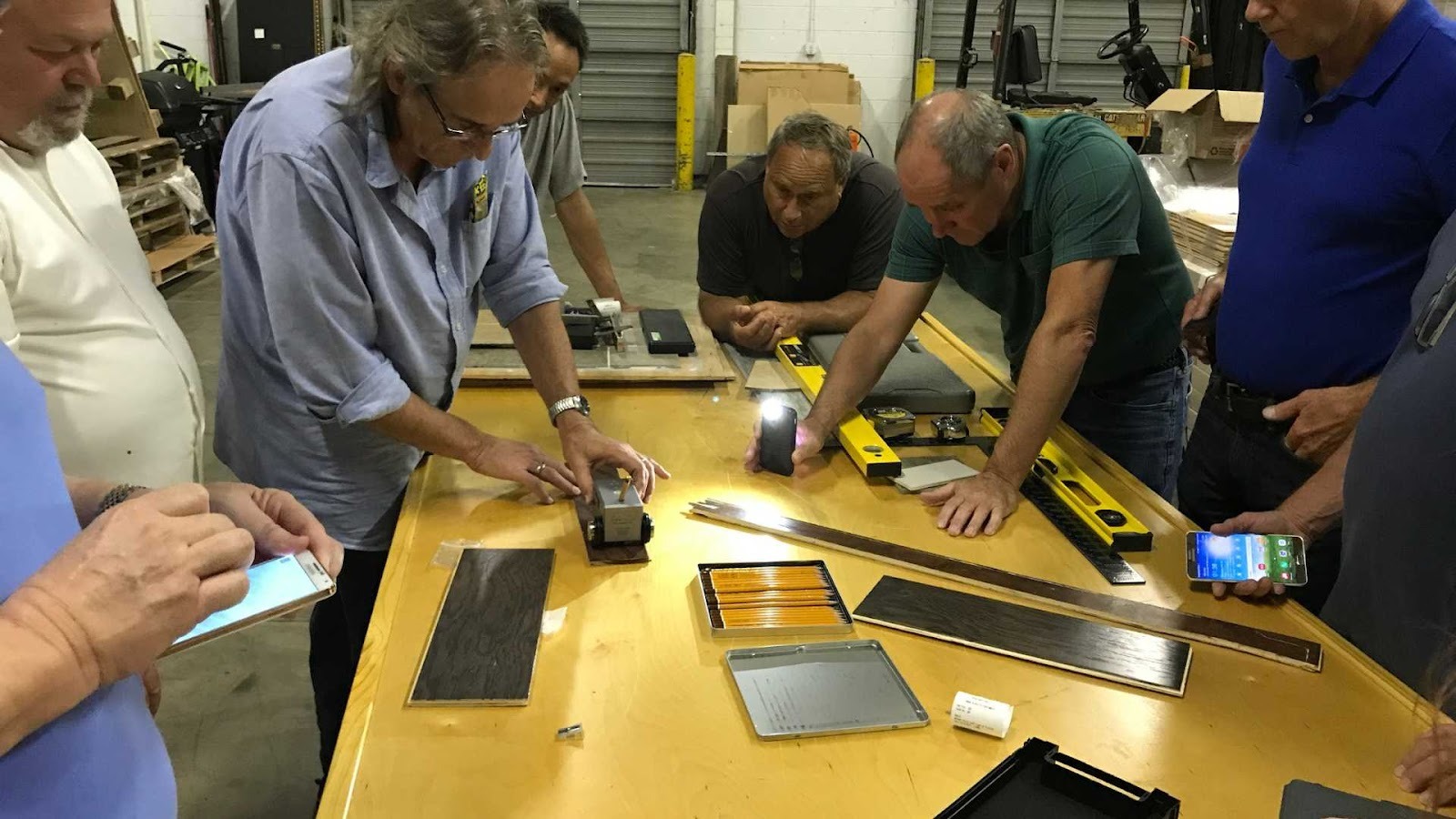
The flooring inspection industry demands a level of precision, expertise, and professionalism that cannot be achieved through guesswork or basic field experience alone.
Proper flooring inspector training, especially IFCII’s comprehensive certification programs, equips new inspectors with the expertise needed to avoid costly mistakes and deliver accurate, professional results.
Professionals who invest in certification not only protect themselves from costly errors but also position themselves as trusted experts capable of handling complex flooring disputes and advanced inspection scenarios.